


بيع ساخن
التطبيق
Phone:+86-15215969856 E-Mail: 396838165@qq.com

في طلبات الطباعة بالتسامي بكميات كبيرة، لا يمكن تقييم الحبر والورق بشكل منفصل. قد يجف الورق المصمم للاستخدام مع نوع معين من الحبر ببطء، أو لا يحرر الحبر بشكل صحيح، أو يُحدث تغييرًا في اللون عند استخدامه مع نوع آخر من الحبر. من المهم معرفة كيفية تفاعل حبر التسامي مع ورق التسامي قبل تقديم طلبات كبيرة.
نظرة عامة على العلاقة بين حبر التسامي والورق
التفاعل بين حبر التسامي و ورق يشكل هذا أساس الطباعة النسيجية المستقرة. في الطباعة بالتسامي، يؤثر كل عنصر - بدءًا من التركيب الكيميائي للحبر وحتى وزن طبقة الورق - على جودة الصورة النهائية وكفاءة الإنتاج.
أساسيات تقنية الطباعة بالتسامي
تعتمد تقنية الطباعة بالتسامي على تطبيق الحرارة والضغط لتحويل بلورات الصبغة الصلبة الموجودة في حبر التسامي إلى حالة غازية، والتي تلتصق بألياف البوليستر أو أسطح الركائز. وتستخدم هذه التقنية ورق النقل كحامل مؤقت للمادة المطبوعة قبل نقلها إلى النسيج. يجب استخدام الحرارة والوقت بحكمة، حيث أن درجات الحرارة العالية تؤدي إلى ذوبان الألوان تمامًا، بينما قد يؤدي الإفراط في استخدام الوقت إلى تشبع مفرط أو ظهور ظلال باهتة.
لماذا يؤثر توافق الحبر مع الورق على جودة الطباعة؟
يُحدد التركيب الكيميائي لأحبار التسامي مدى تفاعلها مع طبقات طلاء الورق. تتكون أحبار اليوم من أصباغ مُشتتة مُذابة في مذيبات صديقة للبيئة، ويجب أن تتوافق مع معدل امتصاص وقدرة الاحتفاظ لطبقة الطلاء المسامية الدقيقة للورق. في حال عدم التوافق، كما هو الحال عند استخدام أحبار عالية اللزوجة على ورق منخفض الامتصاص، قد تظهر مشاكل مثل تباين اللون أو عدم كفاية النقل.
تقييم خصائص أحبار التسامي وفقًا لمعايير عام 2026
مع تطور الطباعة الرقمية على المنسوجات نحو الإنتاج على نطاق صناعي, حبر التسامي يجب أن تستوفي معايير أداء أكثر صرامة فيما يتعلق بالاستقرار والاستدامة وسلوك النفث الدقيق.
الخصائص الرئيسية لأحبار التسامي الحديثة
يؤثر توزيع حجم الجسيمات على أداء الفوهات في أجهزة الطباعة عالية السرعة مثل إبسون I3200 أو كيوسيرا. يمنع التوزيع المتجانس للجسيمات الانسداد ويضمن تدفق قطرات الحبر من الفوهة بثبات وبمعدلات عالية. تحدد لزوجة الحبر وتوتره السطحي مدى سهولة وصول الحبر إلى الفوهة الدقيقة، بينما تؤدي اللزوجة الزائدة إلى ظهور خطوط، وتؤدي اللزوجة المنخفضة إلى تسرب الحبر أو تبقعه.
انسيابية ممتازة، طباعة مستمرة بدقة 360 نقطة في البوصة، 20 مترًا دون انقطاع، وثقوب جزئية - وهذا يوضح كيف تدعم خصائص التدفق المحسّنة الإنتاج طويل المدى دون انقطاع الذي تتطلبه مصانع الملابس العالمية.
التطورات التكنولوجية في تركيبات الحبر
أصبحت المذيبات الصديقة للبيئة ذات المحتوى المنخفض من المركبات العضوية المتطايرة شائعة بشكل متزايد نظرًا للحاجة إلى تلبية اللوائح البيئية دون المساس بملاءمة رأس الطباعة. وتوفر شركات مصنعة مثل Changfa Digital كثافات مختلفة حسب نوع الفوهات المطلوبة لآلات الطباعة الصغيرة والكبيرة.
دور ورق النقل في دقة الصورة
تركيبة الطلاء وتأثيرها على كفاءة النقل
تمتص الطلاءات ذات المسام الدقيقة السوائل الحاملة بسرعة، مع الاحتفاظ بجزيئات الصبغة بالقرب من السطح حتى الوصول إلى درجة حرارة التنشيط. ويمنع معدل الإطلاق المتوازن الانتشار المبكر، مع السماح في الوقت نفسه بنقل كامل أثناء دورات الضغط. ويؤثر كل من نعومة الطلاء ووزنه على وضوح النقاط؛ فالطلاءات الأثقل قد تعزز الكثافة، ولكنها تبطئ عملية التجفيف إذا لم تُصمم هندسيًا بشكل صحيح.
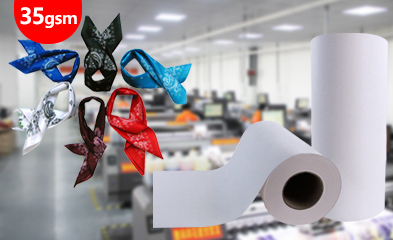
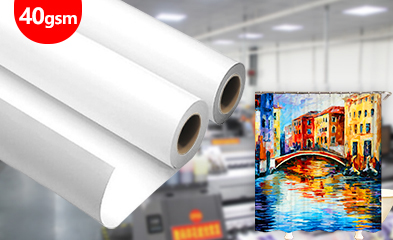
تشمل مجموعة ورق التسامي الرئيسية أوزانًا تتراوح من 29 جرامًا للمتر المربع إلى 100 جرام للمتر المربع، مما يوضح كيف أن الأوزان المختلفة تلبي احتياجات التطبيقات المختلفة - من الإنتاج الخفيف الوزن من لفة إلى لفة إلى عمليات نقل الركائز الصلبة.
وزن قاعدة الورق وعوامل التحكم في الرطوبة
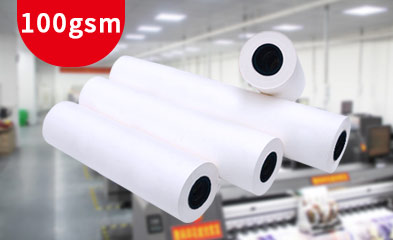
توفر الأوراق الأساسية الأثقل (70-100 جرامًا للمتر المربع) ثباتًا فائقًا في الأبعاد تحت ضغط مكبس الحرارة مقارنة بالأنواع فائقة الخفة المستخدمة في خطوط طباعة الأزياء عالية السرعة.
تُعدّ إدارة الرطوبة أمرًا بالغ الأهمية أيضًا؛ فالرطوبة الزائدة تؤدي إلى تجعد أو تجعّد الورق، مما يُؤثر سلبًا على دقة التسجيل. ويضمن التخزين السليم - أي التغليف المُحكم في بيئة ذات رطوبة مُتحكّم بها - أداءً مُتّسقًا في التعامل مع جميع الدفعات التي يتم شحنها عالميًا من قِبل موردين مثل تشانغفا الرقمية, الذين يستخدمون أغطية اللب مع المنصات لحماية الصادرات.
تحقيق التوافق الأمثل بين أنظمة الحبر والورق
يتطلب اختيار التركيبات المتوافقة كلاً من التقييم المختبري والاختبار في العالم الحقيقي في ظل معايير الإنتاج الفعلية.
معايير اختيار التركيبات المتوافقة
ينبغي على فرق المشتريات مراجعة مواصفات الشركة المصنعة التي توضح التوافقات الموصى بها بين نطاق لزوجة حبر التسامي ومؤشر امتصاص الورق. يساعد إجراء طباعة تجريبية على تقييم تجانس كثافة النقل وتوافق ملف تعريف ICC قبل الموافقة على طلبات الشراء بالجملة. اضبط إعدادات الطابعة، مثل درجة حرارة التسخين المسبق أو سرعة التغذية، وفقًا للتفاعلات الملحوظة بين المواد المختارة.
استكشاف أخطاء التوافق الشائعة وإصلاحها
اختلافات الألوان بعد الطباعة: قد تُعزى اختلافات الألوان إلى عدم توافق التركيب الكيميائي للطلاء أو اختلاف منحنيات تدفق الحبر بين الدفعات. ويمكن حل هذه المشكلة بإعادة معايرة ملفات تعريف ICC أو باستخدام مجموعات وسائط طباعة متوافقة.
تأثيرات التمويه أو الظلال على سطح القماش: قد يؤدي التشبع الزائد الناتج عن تأخر التجفيف قبل الكي إلى ظهور حواف ضبابية أو صور ظلية على المنسوجات. يُمكن تقليل هذه العيوب مع الحفاظ على حيوية الألوان من خلال ضبط توازن وقت الكي ودرجة الحرارة، أو استخدام أوراق سريعة الجفاف مثل ورق التسامي من Changfa Digital.
نصائح الشراء لتقييم توافق حبر التسامي والورق في الطلبات بالجملة
يتطلب الشراء بالجملة تقييمًا منهجيًا يتجاوز اختبار العينة الواحدة لأن اتساق الدفعة يؤثر على موثوقية الإنتاج على المدى الطويل.
اطلب عينات من الحبر والورق المتطابقين قبل الشراء للتحقق من التوافق في ظل ظروف تشغيل مماثلة لتلك المستخدمة في الموقع. اختبرها بسرعات الإنتاج الفعلية، وقم بقياس معدل التجفيف وكفاءة النقل وثبات اللون بعد النقل على أقمشة قياسية مثل البوليستر المتشابك أو نسيج عين الطائر. قارن جودة الطلاء بسعة تحميل الحبر المتوقعة، مع التأكد من دعم المورد لضمان اتساق الدفعات المتكررة من خلال تقارير مراقبة الجودة الموثقة.
يجب على المشترين مراعاة توفر عروض مختلفة للورق، مثل 61-190 سم، لضمان توافقه مع الطابعات والمكابس الحرارية، بالإضافة إلى آلات الطباعة المتواصلة. استخدام عرض غير مناسب سيؤدي إلى هدر الورق من الحواف، ومشاكل في التغذية، وانحراف في وضع الورق، وحتى رداءة جودة الطباعة عند طباعة كميات كبيرة.
يُسهم وضع معايير التوافق ضمن مواصفات الشراء في الحفاظ على نتائج طباعة موحدة في جميع مواقع التصنيع الموزعة. وستكون هذه المعايير مفيدة للعلامة التجارية، والموزع، وحتى مشتري المشروع إذا كان يتعامل مع أكثر من مصنع. وبهذه الطريقة، يمكن تقليل تباين الألوان، وهدر الورق، وتأخير الموافقة، والاختبارات المتكررة.
أسئلة متكررة
س1: كيف يمكنني تحديد ما إذا كان حبر التسامي الخاص بي يتطابق مع ورق النقل الحالي الخاص بي؟
أ1: إجراء اختبارات طباعة مضبوطة لمقارنة كثافة الألوان عند درجات حرارة الطباعة القياسية (حوالي 200 درجة مئوية). تقييم وضوح الحواف وتجانس التشبع؛ فغالباً ما تُظهر التركيبات غير المتطابقة درجات باهتة أو تأثيرات هالة.
س2: ما هو مستوى GSM الذي يجب أن أختاره لخطوط طباعة المنسوجات ذات التنسيق الكبير؟
A2: بالنسبة للمطابع الصناعية ذات التنسيق العريض التي يزيد عرضها عن 160 سم، توفر الأوراق التي يتراوح وزنها بين 60 و 90 جرامًا للمتر المربع استقرارًا مثاليًا دون خطر تجعد مفرط أثناء دورات التسخين.
س3: أين يمكنني الحصول على مواد التسامي عالية الجودة والمتوافقة؟
ج٣: يمكنك الحصول على منتجات من شركة Changfa Digital، وهي شركة تصنيع محترفة تقدم أحبار التسامي المتوافقة مع فوهات طابعة Epson I3200، بالإضافة إلى أوراق مطلية تتراوح أوزانها من 29 إلى 100 جرام للمتر المربع. خيارات التخصيص من قبل مصنعي المعدات الأصلية/مصممي المعدات الأصلية ضمان إمداد سائب ثابت في جميع أنحاء العالم.


