


HOT SALE
APPLICATION
Phone:+86-15215969856 E-Mail: 396838165@qq.com
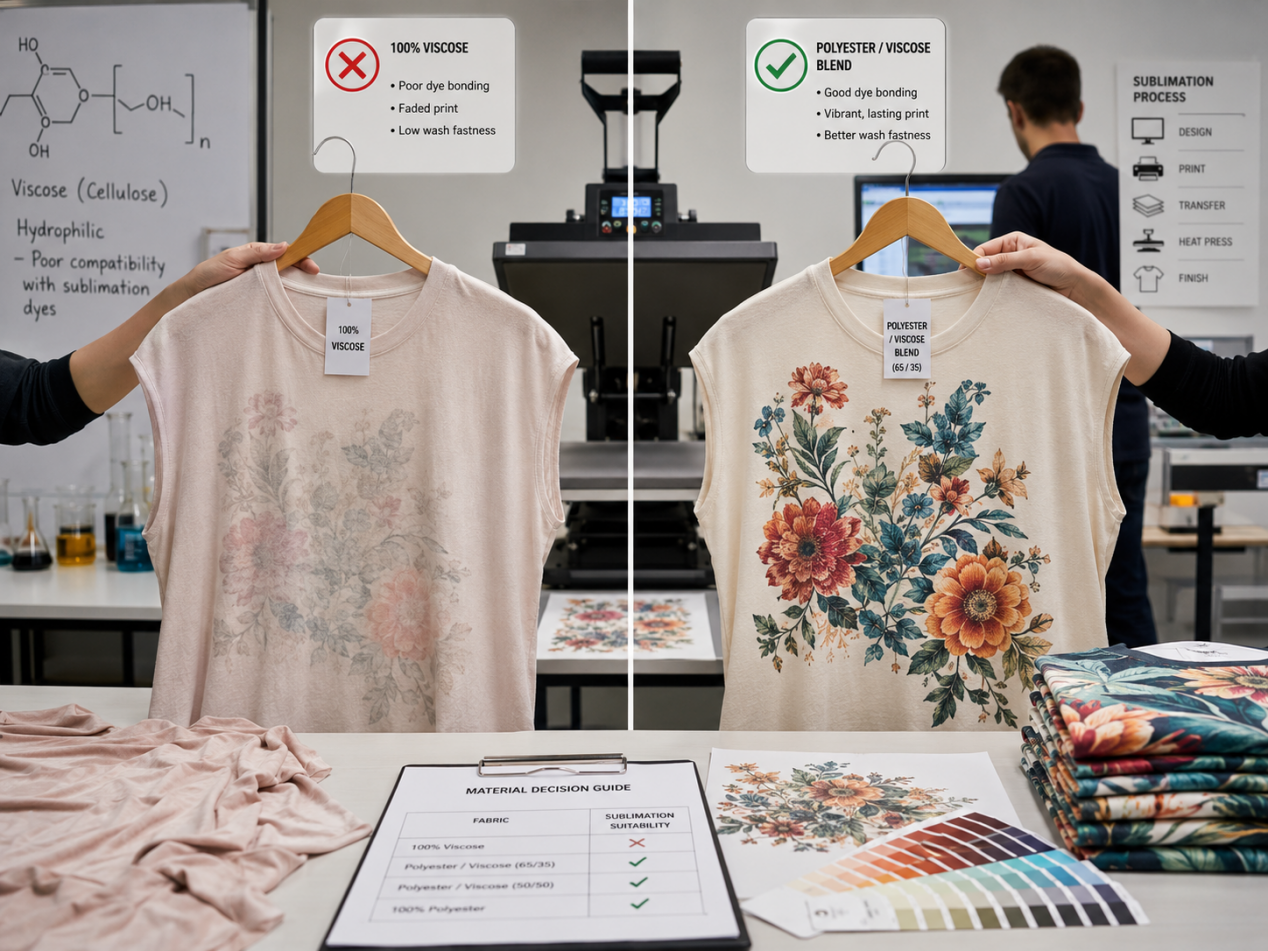 Nowadays, shoppers are walking away from stiff plastics and actively hunting for soft, breathable materials that drape beautifully over the body. This massive consumer shift means commercial print shop owners are getting flooded with phone calls asking to decorate lightweight, silky garments. Naturally, your clients want to know if you can sublimate on viscose to get those incredibly bright, permanent graphics on their new summer collections. It sounds like a great business opportunity until you pull the very first test shirt out of your heat press. The colors look surprisingly weak, and after one trip through a normal home washing machine, the expensive design completely disappears. Attempting printing on viscose without knowing the raw textile chemistry will instantly destroy your profit margins. Let us look closely at why this chemical failure happens and what real alternatives actually work on the factory floor.
The Harsh Science of Fabric Chemistry
Before you accept a massive order from a fashion brand, you have to look closely at the microscopic structure of the clothing. Heat transfer processes rely entirely on specific chemical reactions that simply do not happen with every type of thread currently sitting inside your warehouse.
Why Natural Fibers Reject Gas Dyes
Viscose is technically a manufactured fiber, but it is definitely not a synthetic plastic like standard polyester. It actually comes directly from natural wood pulp and agricultural waste. Because it originates from nature, it behaves a lot like regular heavy cotton. The special dyes used in our daily industry are engineered to turn into a hot floating gas at 400°F and permanently merge with plastic polymers. Since raw wood pulp has zero plastic cells inside of it, the hot gas has absolutely nothing to grab onto. Factory owners often ask if they can sublimate on rayon, which belongs to the exact same material family. The scientific answer remains a harsh no. The color pigment simply sits loosely on the outer edge of the thread instead of penetrating it. Doing real viscose sublimation on a 100% pure garment is a physical impossibility because the core chemistry just does not match up at all.
The Faded Aftermath in the Wash
You might press a sample shirt and think it actually looks decent when you peel the hot paper back. The graphic might show up clearly, tricking your floor operators into boxing up the order and shipping it out. But the real nightmare begins when the retail customer takes it home. Because the color is just resting loosely on top of the natural fibers like dust on a table, warm water and laundry detergent will strip it away immediately. You will lose about 90% of your color density during the very first wash cycle. You cannot build a solid business reputation when your printing on viscose results in completely blank shirts after just one week of wear. Your factory will face massive refund requests and lose trust instantly.
Working with Mixed Fabric Solutions
You do not have to reject every single client who asks for a soft summer feel. Instead of printing on pure natural fibers, successful commercial shops guide their buyers toward clever fabric combinations that satisfy both the printing machines and the end consumer looking for comfort.
Finding the Golden Ratio
If your buyer demands a soft drape, you need to introduce them to poly-viscose shirts. Performing sublimation on blends is the most common and profitable workaround in the modern apparel industry. You need a blank garment that contains at least 65% polyester woven tightly together with 35% natural wood pulp fibers. When you press this mixed fabric, the hot gas dye easily bonds with the 65% plastic threads and completely ignores the other 35%. You get a very stable, permanent image that survives the washing machine, while the shirt retains that comfortable, breathable feeling that consumers love. When someone asks to sublimate on viscose, pushing them toward a 65/35 blend is always the smartest path forward for a manufacturer.
Achieving the Retro Vintage Look
You must manage your client’s visual expectations before you print 1,000 blended hoodies. Because 35% of the threads in that shirt will never hold the color, the final graphic will never look like a bright, high-definition photograph. It will naturally look a bit faded or washed out right off the press. In the fashion world, this is called the “vintage” or “distressed” look. Many streetwear brands actually pay top dollar for this specific faded aesthetic. As long as you explain this visual drop-off clearly to the buyer, doing sublimation on blends can become a highly requested, unique service in your factory catalog. If they ask to sublimate on rayon blends instead, the exact same vintage rules apply.
Using Chemical Treatments to Cheat the System
Sometimes a stubborn fashion brand will absolutely refuse to change their blank garments. If they drop off a huge box of pure, unblended natural shirts, you have to turn to modern chemistry to forcefully create an artificial surface for your dyes to grab and hold onto permanently.
Applying a Liquid Barrier
When you are trapped with pure natural materials, your last line of defense is using a sublimation coating spray. This liquid acts like a chemical bridge between the natural wood pulp and your digital printer. You spray the liquid heavily over the chest area of the shirt and let it dry completely. This chemical leaves behind a microscopic layer of liquid polyester resting right on top of the fabric. When you finally hit it with the heavy heat press, your printed dye turns to gas and bonds with that artificial spray layer instead of the actual shirt fibers. This technically allows you to force a fake viscose sublimation process, but it requires extreme patience from your floor workers.
The Heavy Cost of Coated Transfers
While a sublimation coating spray might save a desperate order, it is terrible for daily, high-volume production. Applying the liquid evenly by hand is incredibly tedious and messy. If your worker sprays too much liquid, the shirt turns stiff, crunchy, and often yellows under the 400°F heat press. If they spray too little, the image washes out in ugly patches. This hand-sprayed method kills your daily factory speed and heavily increases your labor costs per garment. While you can technically sublimate on rayon or similar fabrics this way, no serious factory owner wants to rely on messy chemical sprays to hit their monthly financial targets.
Best Practices for Your Production Floor
Pushing the boundaries of what fabrics can handle requires flawless supplies. If you are going to attempt challenging mixed materials on your factory floor, relying on cheap, low-grade consumables will result in muddy colors, wasted blank apparel, and angry phone calls from your clients every single week.
Choosing High-Release Transfer Sheets
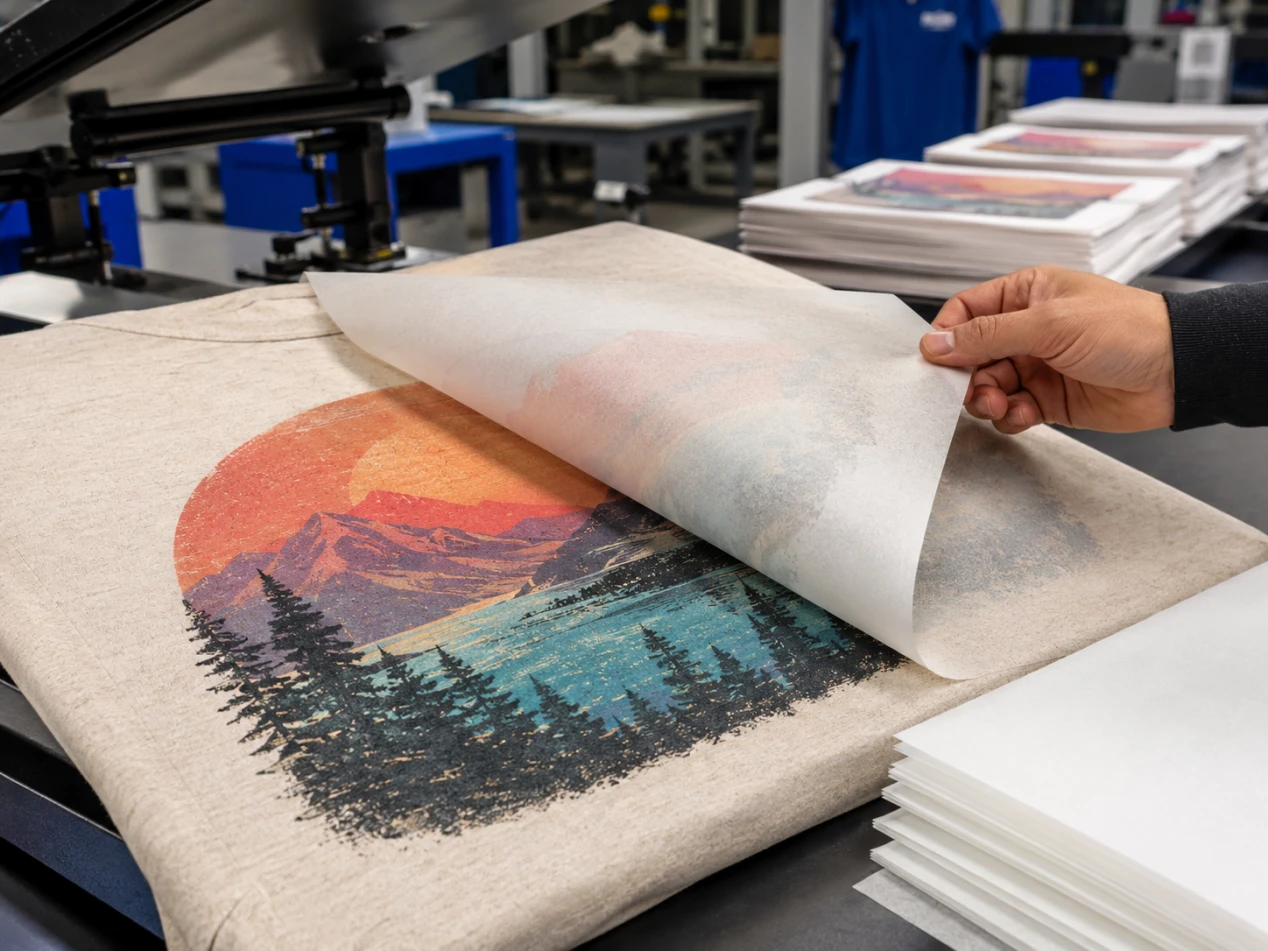
When you print on a 65/35 blended shirt, you are already giving up 35% of your color potential right out of the gate. You absolutely cannot afford to leave any extra color trapped behind on your carrier sheet. You need materials engineered to release the maximum amount of gas possible. Sourcing your supplies from a dedicated manufacturer makes a massive difference here. You can explore high-yield sublimation paper options at Changfa Digital‘s catalog. A premium sheet with a microporous layer holds the wet graphic tightly on the surface and violently pushes almost 95% of the pigment directly into the fabric the second the heat hits it.
Supplying the Right Pigment Density
A weak, cheap liquid will destroy any attempt to sublimate on viscose blends. You need a liquid with extreme pigment concentration to make up for the threads that refuse to take the dye. Cheap bottles bought from unknown internet vendors are often watered down, meaning your operator has to spray a massive puddle onto your paper just to get a decent black or red. This wrinkles the paper and ruins the final graphic before you even press it. By running professional, dense color liquids, like those found at the Changfa Digital ink section, your printer uses fewer drops to achieve a much deeper, richer color. This is the exact secret commercial shops use to make blended vintage shirts look incredible.
Conclusion
The textile printing industry is filled with harsh physical rules you simply cannot ignore. While true, permanent viscose sublimation on a 100% pure garment is impossible without messy, slow chemical sprays, you do not have to turn away profitable fashion clients. Guiding your buyers toward smart poly-blends gives them the soft, comfortable drape they want while delivering the permanent, distressed graphics they can actually sell. Mastering these challenging materials requires skill, honesty, and professional-grade supplies that actually perform under pressure. If you want to stop wasting money on failed fabric experiments and start delivering high-quality printed apparel, contact Changfa Digital today to upgrade your paper and ink supplies for your most difficult production runs.


