


HOT SALE
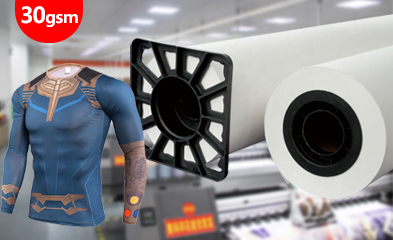
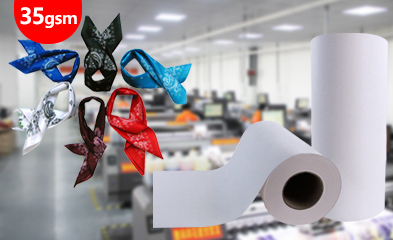
APPLICATION
Phone:+86-15215969856 E-Mail: 396838165@qq.com

Walk into a modern clothing factory today, and you will see the crazy reality of the clothing industry. Brands are dropping hundreds of new styles every single week on their websites. This rapid cycle creates massive pressure on the factory floor. Print shop managers are forced to produce thousands of garments at record speeds while keeping their budgets incredibly tight. When global supply chains squeeze your profit margins, keeping your textile printing costs under control becomes a daily battle. Many factory owners think the only way to save money is by cutting employee hours or buying cheaper blank shirts. But they often ignore a massive money drain sitting right on their factory floor: the heavy rolls of carrier sheets loaded onto their machines. By switching to lightweight materials, smart shops are completely changing how much money they spend on supplies and logistics.
The Heavy Burden of Thick Paper
Most factory managers just stick to the 90gsm or 100gsm rolls they have always used out of pure habit. But when you run industrial printers all day long, carrying that extra material weight slowly eats away at your daily profit margins. Let us look at how heavy materials silently waste your money.
Wasted Money on Raw Materials
When you purchase heavy materials, you are literally paying for extra wood pulp that you do not need. In fast fashion printing, the final products are usually simple polyester blends that do not shrink heavily under heat. Because the fabric remains stable, you do not need a thick, heavy sheet to hold the fabric in place. Paying for 100gsm paper when a 30gsm sheet works perfectly fine is like renting a massive moving truck to deliver a single pizza. You are buying unnecessary bulk. By moving to a lighter sheet, you instantly drop your material spending per square meter.
Slower Production Speeds
Heavy rolls take much longer to heat up inside your calendar press. The heat has to travel through a thick wall of paper before it reaches the dye and turns it into a gas. Thin transfer paper heats up almost instantly. Because the heat transfer happens so fast, you can literally turn up the speed dial on your heat press. Instead of moving the fabric at 2 meters per minute, a lighter sheet might allow you to run at 3.5 meters per minute. You finish the job faster and get the shirts out the door sooner.
Slicing Your Logistics and Storage Bills
Moving tons of heavy supplies across the ocean or even just across your warehouse floor is extremely expensive. Every time you pay a freight invoice, you are paying for the physical weight of those rolls. Switching to thinner materials creates immediate relief for your monthly logistics budget.
How to Reduce Shipping Costs Effectively
Shipping a standard 20-foot container from overseas costs thousands of dollars. That container has a strict weight limit. If you pack it full of heavy 100gsm rolls, you hit the maximum weight long before you fill the physical space inside the metal box. By dropping down to a lightweight 30gsm paper, you can pack almost three times the printable length into that exact same shipping container. You pay the exact same $4,000 freight bill, but you get three times as many miles of printing out of it. This is the fastest way to reduce shipping costs without negotiating with greedy logistics companies.
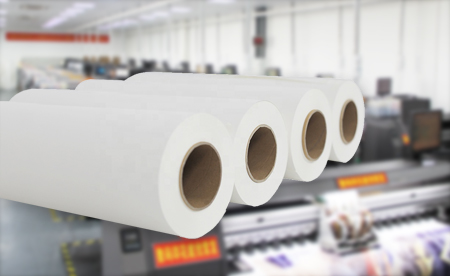
Freeing Up Warehouse Space
Thinner paper means smaller roll diameters for the exact same length of material. A 10,000-meter roll of thick paper might be too massive for a single worker to handle, requiring special forklifts just to load it onto the printer. A 10,000-meter roll of lightweight paper takes up a fraction of the shelf space and is much easier for your floor operators to move around. You do not need to rent a bigger warehouse; you just need to buy smarter, thinner materials.
Avoiding Ink Bleed While Going Thin
The biggest fear most operators have about thin transfer paper is that liquid colors will bleed right through it and ruin the heat press blanket. This fear usually stops them from trying to lower printing costs. But modern chemical coating technology has completely solved this old problem.
The Magic of Microporous Coatings
A paper’s ability to hold color has nothing to do with how thick the paper feels in your hand. It is entirely about the chemical barrier sprayed on top of it. A high-quality 30gsm sheet uses an advanced microporous coating that locks the liquid on the absolute surface. The liquid never sinks into the raw wood pulp.
Protecting Your Heat Press Blanket
If dye bleeds through a cheap, uncoated thin paper, it stains the expensive Nomex blanket on your calendar press. Replacing that blanket costs upwards of $2,000 and kills an entire day of production time. Professionally coated thin sheets act like an invisible shield. When the heat hits, the dye goes straight forward into the polyester shirt and never travels backward. You get all the financial benefits of buying lightweight rolls without constantly worrying about destroying your expensive machinery.
Matching the Right Ink for Maximum Savings
You cannot just change your paper and expect magic to happen on the factory floor. The liquid you spray onto that thin carrier sheet matters just as much. If your colors are weak, you will spray too much and soak the lightweight sheet, causing immediate curling problems.
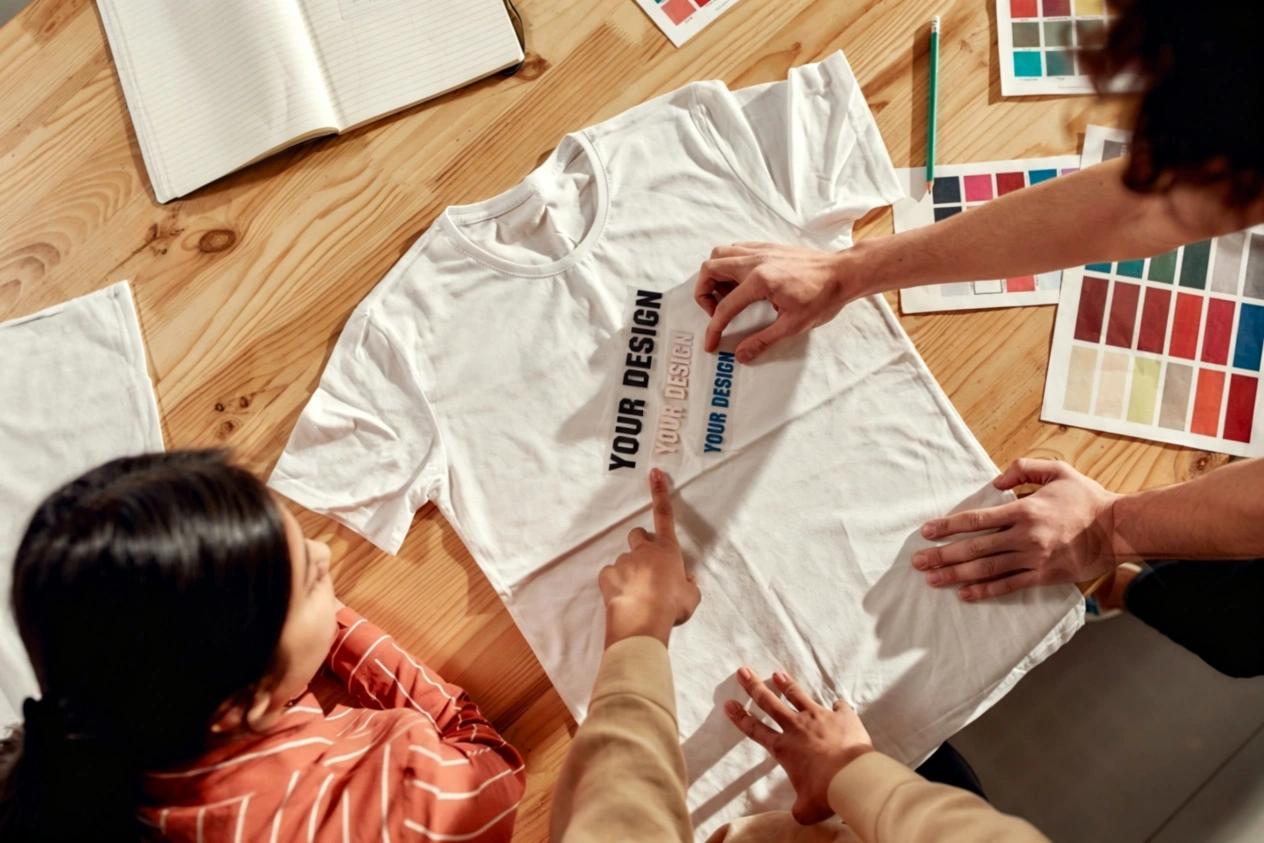
High Density Means Less Liquid
When factory owners use cheap, watered-down liquids, the printer has to lay down a massive puddle just to get a bright red or a deep black. Spraying a heavy puddle onto a 30gsm sheet will make the paper warp and wrinkle before it even hits the heater. To lower printing costs properly, you must use high-density colors. Strong pigments mean the printer sprays a very thin, light mist to achieve the same bright result. The thin paper stays perfectly flat and dries instantly. You can source these highly concentrated liquids directly from manufacturers like Changfa Digital.
Controlling Overall Textile Printing Costs
The secret formula for surviving the brutal clothing market is simple. You pair an incredibly light, well-coated sheet with a deeply concentrated pigment. You spend less money on the physical weight of the paper, you spend less on overseas shipping, and you use fewer drops of liquid per shirt. Exploring a professional liquid lineup at Changfa Digital helps you build this exact combination. This synergy is what separates struggling shops from highly profitable factories.
Conclusion
Surviving the brutal pace of modern clothing manufacturing requires you to examine every single penny you spend on the floor. Sticking to heavy, outdated carrier sheets is a fast way to burn through your budget. By switching to thin transfer paper, you instantly reduce shipping costs, speed up your pressing time, and cut down your overall textile printing costs. When you pair these lightweight rolls with high-density colors, your fast fashion printing business becomes a highly profitable machine. Do not let heavy materials slow down your factory. Contact Changfa Digital today to test their advanced lightweight solutions and watch your daily production numbers climb.


