


Bán nóng
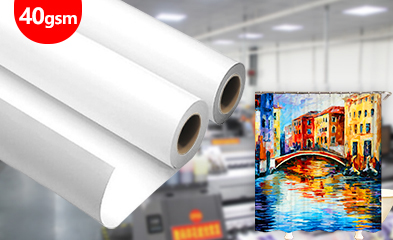
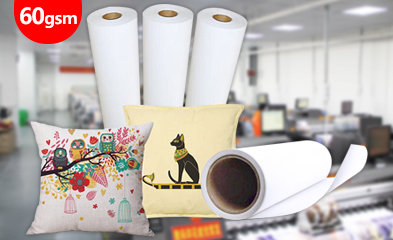
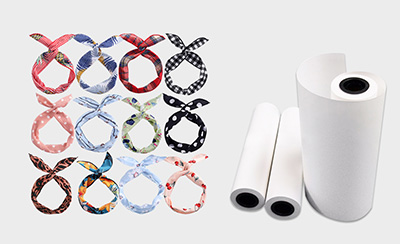
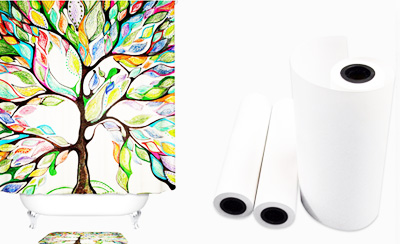
Ứng dụng
Phone:+86-15215969856 E-Mail: 396838165@qq.com
Paper selection matters far more in sublimation printing than most folks realize at first. It greatly impacts the way ink rests, dries, and moves during transfer. In turn, this shapes the final shade, sharpness, and evenness of your picture. Taking a good look at how various papers perform really helps you produce steadier and much better-looking prints.

What Factors Affect Sublimation Ink Performance on Different Papers?
As you dive into sublimation printing, the kind of paper you pick can strongly change the outcome of your work. The way mực thăng hoa and paper work together decides how bright the colors look, how clear the edges stay, and how true the whole design remains. Now, let us check out exactly how assorted papers influence this method. At the same time, we will see why top-quality coated papers bring noticeably improved outcomes.
How Does Paper Type Influence Ink Absorption?
The sort of paper you use plays a key part in the way sublimation ink gets taken in and later moved. Plain paper usually pulls ink deep down among its tiny threads. Because of that strong pull inward, the colors spread out in an uneven way. Consequently, you end up with less lively shades and fuzzy borders. On the other hand, coated giấy thăng hoa features a special top layer. This layer keeps most of the ink right at the surface instead of allowing it to sink inside. Thanks to this setup, you gain neater outlines, stronger color strength, and better holding of fine details.
That special coating works like a shield. It holds the ink in place for a short while until warmth gets added in the transfer step. Once heat comes on, the ink changes into vapor. Then it joins tightly with polyester threads or surfaces covered in polymer. Since coated paper lets go of almost every bit of ink in that moment, you receive the highest possible amount of color moved over.
Why Is Coated Sublimation Paper Preferred for Professional Results?
People who do this work seriously tend to pick coated sublimation paper. They choose it since the material gives steady performance and exact placement every time. Its flat finish spreads ink smoothly across the sheet. Therefore, ugly spots or patchy areas stay away. Besides that, these coated sheets cut down on ghosting. Ghosting happens quite often whenever leftover ink sticks to later sheets by mistake.
How Does Sublimation Ink Interact with Regular Paper?
After you see clearly how those coatings make things better, it becomes useful to notice what actually occurs with sublimation ink on ordinary paper. Lots of newcomers try basic copy paper first. They do so because it sits nearby and costs very little. Yet this decision frequently brings sad surprises.
What Are the Challenges of Using Regular Paper with Sublimation Ink?
When you go with regular paper, several problems show up right away. Without that helpful special layer, ink pushes far too far into the material’s threads. It fails to stay close to the top, where transfer works best. Because of this flaw, heat pressing leaves plenty of dye stuck inside the sheet. Very little manages to move across to your base material.
Such poor movement leads to softer shades and less crisp lines on the finished piece. Sometimes the paper curls up or gets wrinkled from the heat too. Normal sheets simply cannot handle the strong warmth needed here, usually between 190 and 210°C. On top of that, too much soaking makes drying take longer. If you touch it before the ink sets fully, marks appear easily. All these issues slow your whole working process down quite a bit.
Can You Achieve Acceptable Results with Regular Paper?
Sure, regular paper can work in a pinch for tiny tests or quick tries at home. Still, reaching pro-level quality stays tough no matter what. You may tweak settings on your máy in—for instance, drop color strength a little or add extra heat minutes. Those small changes offer some help. However, they never match the clean look that properly coated sheets provide.
Suppose saving money stands as your main goal for personal fun or learning runs. Then regular paper could serve okay for a short time. Nevertheless, whenever steady results matter—and especially when true-to-life colors count—moving over to real sublimation paper is the smartest step.
Why Choose Changfa Digital’s Products for Sublimation Printing?
Right now, while we look closely at differences between coated and plain papers, picking trustworthy supplies turns very important. Doing so keeps quality steady from one batch to the next.
What Makes Changfa Digital Stand Out in Sublimation Printing?
Changfa kỹ thuật số serves as a skilled maker of sublimation paper. The company has delivered digital printing supplies for over 15 years. It runs its own factory that handles everything. Workers start with raw base paper, add the coating, cut rolls to size, and send goods out across the globe. Their knowledge goes well past just building items. They keep finding fresh ways to boost how well colors move and how long prints last on all kinds of bases.
Whenever you hunt for solid supplies built just right for bright color return and even transfer on cloth or solid items, take a look at Changfa Digital soon.
How Can Changfa Digital’s Products Enhance Your Printing Experience?
Their lineup features green sublimation inks made with gentle solvents. These create strong, lively hues yet still move smoothly through printer heads. The team uses safe, non-harmful liquids that stay kind to nature. You enjoy a broad range of shades, a bright appearance, and great flow without clogs. After transfer, cloth items show sun resistance at level 6 and washing strength between levels 4 and 5. Such strong points mean your creations hold up well. They resist fading even after many cleanings or long days in bright light.
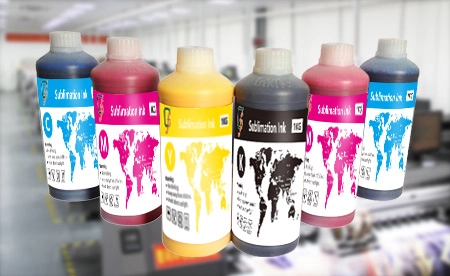
When you pair those inks together with their carefully coated papers—from slim 29 GSM rolls all the way to 95 GSM—you take full command. Every part of your project, starting from the first idea through to the ready item, stays under your control.
What Are Common Misconceptions About Sublimation Ink on Different Papers?
Sometimes even longtime users get caught by wrong ideas about picking media for sublimation. Clearing up those false beliefs aids smarter choices in your daily routine. At the same time, it stops expensive slip-ups.
Is It True That All Papers Are Suitable for Sublimation Printing?
A lot of people wrongly think every kind of paper works fine with sublimation inks. Truthfully, unless a sheet carries the right accepting coat made specially for this dye-based method—like the ones in expert-level supplies—the color fails to come off well during heating. Prints turn out pale and flat. They lack a rich feel or strong difference even when you start with sharp design files.
Those special layers control how much ink gets pulled in. Therefore, nearly every drop changes to vapor exactly when the heat hits the correct point. Later it fastens neatly onto items built mainly from polyester.
Do Higher Ink Saturations Always Lead to Better Print Quality?
Another common mix-up happens when folks believe pouring on tons of extra ink always makes pictures pop more. Too much color usually causes trouble instead. Colors bleed together along borders where they should stay separate. This shows up especially clear on sheets without coating. There the wet ink spreads outward fast through the natural fibers.
The best prints grow from carefully matched color levels. You adjust those levels to fit your exact printer type. Then add the correct heat, time, and pressure steps while pressing.
Câu hỏi thường gặp
Q: Can I use any printer for sublimation printing?
A: No. You need printers built to handle special sublimation inks created for heat-based moving. Standard pigment or regular dye kinds will not do the job.
Q: Is heat necessary when transferring images onto substrates?
A: Yes. Warmth wakes up the sublimation dyes. It changes them into vapor so they lock permanently inside polymer layers or polyester cloth. Traditional inks just rest on top, but these join deep within.
Q: Are there environmental considerations when using sublimation inks?
A: Yes. Newer kinds count as earth-friendly overall. They create hardly any leftover mess compared to old solvent styles. This holds true especially for ones from Changfa Digital High Density Sublimation Ink.


