


Bán nóng
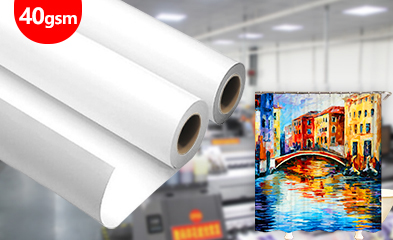
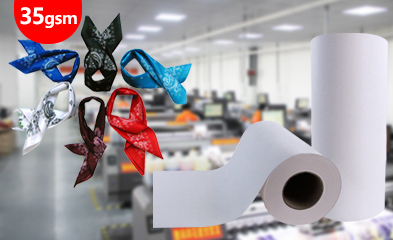
Ứng dụng
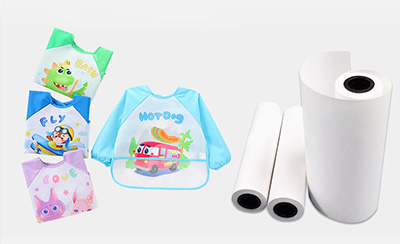
Phone:+86-15215969856 E-Mail: 396838165@qq.com
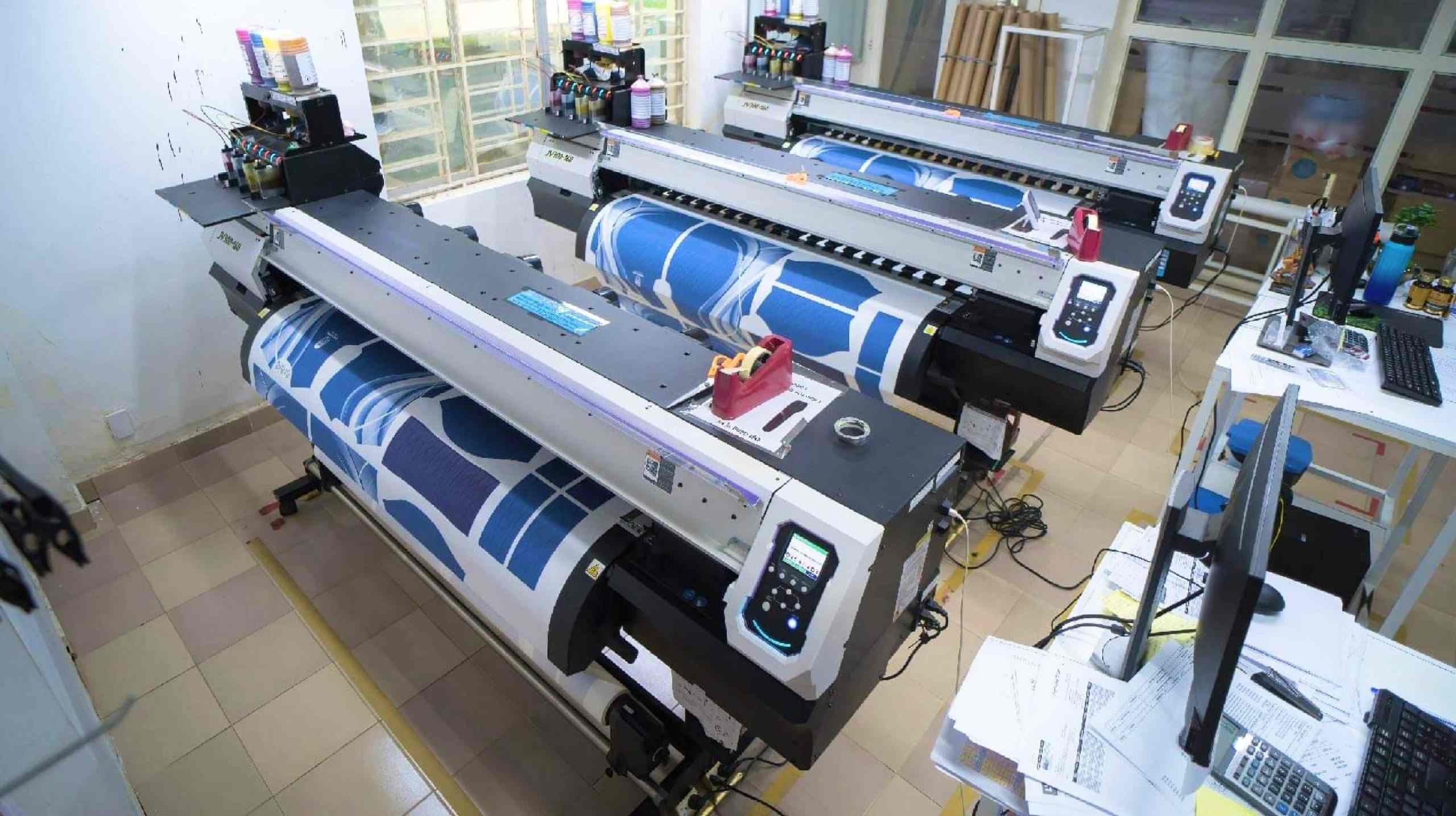
Nhiệt độ là một yếu tố quan trọng trong in thăng hoa. Nó quản lý tốt như thế nào thuốc nhuộm thay đổi thành khí và dính vào bề mặt vải. Các vật liệu khác nhau xử lý nhiệt theo cách khác nhau. Do đó, cài đặt chính xác tăng cường chuyển giao màu sắc, độ rõ ràng hình ảnh và độ mịn của bề mặt. Mặt khác, một cái không chính xác có thể dẫn đến mờ dần, ma hoặc đốm nóng. Trước khi xem xét sự thay đổi nhiệt độ cho các loại vải khác nhau, hãy hiểu nhiệt độ ảnh hưởng đến quá trình thăng hoa như thế nào.
Nhiệt độ đóng vai trò gì trong in thăng hoa?
Trong in thăng hoa, nhiệt độ vượt xa một thiết lập đơn giản. Nó là nền tảng cho độ chính xác màu sắc và chất lượng lâu dài. Nhiệt quyết định các hạt nhuộm chuyển từ chất rắn sang khí và kết nối với lớp polymer của vải. Khi nhiệt độ quá thấp, thuốc nhuộm không thăng hoa hoàn toàn. Điều này dẫn đến chuyển nhạt hoặc một phần. Nếu nhiệt độ tăng quá cao, bạn có thể đốt cháy hoặc cong sợi dệt.
Ngay cả nhiệt lan tràn trên tấm báo chí của bạn cũng quan trọng như vậy. Tiếp xúc nhiệt ổn định đảm bảo mọi phần của in của bạn nhận được sự đối xử bình đẳng. Kết quả là, bạn có được màu sắc đồng nhất và các cạnh hình ảnh rõ ràng. Sự kết hợp của nhiệt độ và thời gian này giúp tạo ra các in sáng, bền. Họ giữ ánh sáng của họ ngay cả sau khi nhiều giặt.
Thăng hoa phản ứng như thế nào với các loại vải khác nhau?
Vải xử lý nhiệt thăng hoa theo nhiều cách khác nhau vì trang điểm sợi và đặc điểm lớp phủ của chúng. Polyester hoạt động tốt nhất như một vật liệu cơ bản. Cấu trúc nhân tạo của nó mở ra dưới nhiệt độ mạnh mẽ. Điều này cho phép các phân tử nhuộm chìm sâu vào các sợi. Dải hỗn hợp, như kết hợp polyester-bông, yêu cầu nhiệt độ nhẹ hơn và thêm thời gian. Các bước như vậy tránh tan chảy hoặc màu sắc đốm. Vải tự nhiên như bông đòi hỏi một lớp phủ thăng hoa đặc biệt. Chúng thiếu nền tảng polymer cần thiết để gắn kết thuốc nhuộm trực tiếp.
Changfa Digital hoạt động như giấy thăng hoa nhà sản xuất và nhà cung cấp in kỹ thuật số. Nó điều hành một nhà máy cho giấy thăng hoa, bắt đầu từ giấy cơ sở thông qua lớp phủ và cắt. Kỹ năng của họ trong các phương pháp sơn đảm bảo mỗi cơ sở - từ hỗn hợp polyester đến bông được phủ - có được sự chuẩn bị bề mặt tốt nhất để hấp thụ thuốc nhuộm tốt.
Phạm vi nhiệt lý tưởng cho thăng hoa polyester là gì?
Polyester có thể thăng hoa tốt ở nhiệt độ từ 190 ° C đến 205 ° C. Khoảng thời gian này cung cấp đủ sức mạnh để giải phóng khí nhuộm đầy đủ mà không gây hại cho các sợi. Nếu nhiệt độ vượt quá 210 ° C, bạn có thể thấy màu vàng hoặc thay đổi bề mặt. Tuy nhiên, giảm dưới 185 ° C thường mang lại màu sắc nhàm chán hoặc chuyển không đồng đều.
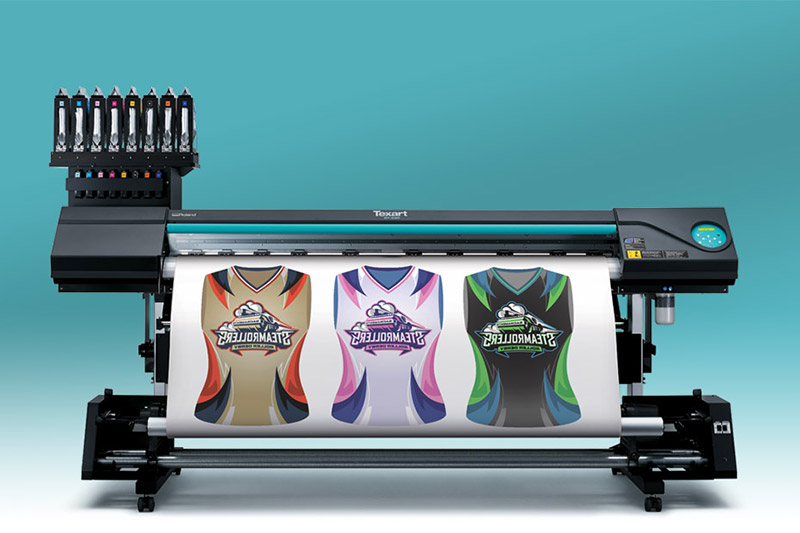
Đối với vải thể thao như polyester interlock 100D, thường nặng 155 gsm-175 gsm, dính vào khoảng thời gian nhiệt này giữ cho màu sắc sống động và in khó khăn. Chúng chống lại phơi nhiễm nắng hoặc giặt thường xuyên. Vật liệu dày đặc hơn có thể cần thêm một chút thời gian báo chí. Điều này cho phép thuốc nhuộm đi hoàn toàn qua các sợi dày.
Tại sao sử dụng thiết bị báo chí nhiệt chuyên nghiệp cho polyester?
Máy ép kỹ thuật số hiện đại dựa vào điều khiển PID (Proportional-Integral-Derivative). Chúng giữ nhiệt độ ổn định trong các chu kỳ làm việc. Kiểm soát chính xác như vậy ngăn chặn sự thay đổi có thể gây hại cho tính đồng đều in. Áp suất cân bằng từ các thiết bị này cải thiện việc nhập thuốc nhuộm vào cấu trúc lõi của polyester. Do đó, bạn nhận được độ sáng ổn định trong các công việc lớn như biểu ngữ hoặc mảnh quần áo.
Màn hình kỹ thuật số tích hợp cho phép bạn điều chỉnh nhiệt độ và cài đặt thời gian một cách dễ dàng. Điều này chứng minh là quan trọng khi di chuyển giữa độ dày hoặc lớp phủ polyester khác nhau.
Làm thế nào để điều chỉnh nhiệt độ cho hỗn hợp polyester?
Đối với hỗn hợp polyester với sợi spandex hoặc bông, cân bằng sức mạnh nhiệt với thời gian ép. Một khoảng thời gian được đề xuất là 180 ° C-190 ° C ngăn chặn các bộ phận tổng hợp tan chảy. Đồng thời, nó cung cấp đủ năng lượng cho chuyển động nhuộm. Để bù đắp cho nhiệt thấp hơn, thêm vài giây để nhấn. Làm điều này cho đến khi mẫu in hiển thị tăng trưởng màu sắc đầy đủ.
Các tấm sưởi ấm lớp lan rộng nhiệt độ đồng đều trên vải pha trộn. Trong những trường hợp này, độ dày sợi khác nhau có thể dẫn đến kết quả không đồng đều. Cài đặt trước có thể dễ dàng thay đổi giữa các hỗn hợp - ví dụ, từ hỗn hợp 95% polyester / 5% spandex đến 88% polyester / 12% spandex - mà không cần điều chỉnh tay mỗi lần. Các công cụ này cắt giảm các sai lầm trong việc tạo ra. Trong khi đó, họ giữ chất lượng ổn định trên các mặt hàng như quần áo, áo sơ mi hoặc quần áo thể thao bình thường.
Làm thế nào để quản lý nhiệt trên vải được phủ hoặc xử lý?
Vật liệu phủ mang lại các vấn đề đặc biệt trong thăng hoa. Các lớp trên của chúng có thể hoạt động khác nhau dưới nhiệt mạnh. Quá nhiều nhiệt có thể nứt hoặc vết bẩn lớp phủ có nghĩa là mực Đợi. Một phạm vi hợp lý của 170 ° C-185 ° C thường hoạt động tốt cho các căn cứ này. Nó cho phép dòng chảy nhiệt chậm bảo vệ các lớp được xử lý. Tuy nhiên, nó đảm bảo sự thay đổi màu sắc hoàn toàn từ giấy thăng hoa.
Sưởi ấm chậm trước khi ép cũng làm giảm căng thẳng trên các bộ phận được phủ. Nó tránh sự phát triển nhiệt nhanh chóng, thường gây ra các vết nứt nhỏ trong kết thúc bóng.
Cài đặt nào hoạt động tốt nhất với hệ thống hiệu chuẩn thông minh?
Các công cụ hiệu chuẩn thông minh tự động điều chỉnh các khu vực nhiệt trên vật liệu được phủ. Họ kiểm tra nhiệt độ tấm lan rộng trong thời điểm này. Cảm biến an toàn bên trong chặn quá nóng trong các chuyến chạy dài. Điều này bảo vệ sức mạnh vải và an toàn lao động. Những điều chỉnh thông minh như vậy làm cho nó dễ dàng để giữ kết quả ổn định. Bạn có thể làm điều này ngay cả khi xử lý một số nhóm được phủ một hàng.
Độ dày vải ảnh hưởng đến sự hấp thụ nhiệt như thế nào?
Trọng lượng vải định hình bao nhiêu nhiệt nó giữ trong khi ép. Dệt may dày hơn tiêu thụ nhiều năng lượng hơn nhưng để nó đi chậm. Vì vậy, chúng cần nhiệt độ thấp hơn một chút cộng với thời gian giữ lâu hơn để tránh tiếp xúc thêm. Vải nhẹ như dệt polyester mỏng cần chu kỳ ngắn ở nhiệt độ thông thường (khoảng 190 ° C). Điều này ngăn chặn bỏng hoặc uốn cong.
Theo dõi các yếu tố này giúp giữ cho độ sâu màu sắc và chăm sóc vật liệu cân bằng. Nó quan trọng rất nhiều khi in hàng hóa đa dạng, từ cờ đến thiết bị thể thao chặt chẽ.
Làm thế nào để tối ưu hóa hiệu quả trên các mật độ khác nhau?
Thiết lập sưởi ấm hai khu vực cho phép bạn kiểm soát nhiệt độ tấm trên và dưới cách nhau. Điều này cho phép phù hợp chính xác với trọng lượng vải khác nhau trong một phiên làm việc. Các công cụ áp suất có thể điều chỉnh tăng sự linh hoạt hơn nữa. Họ bù đắp sự thay đổi trọng lượng dệt mà không cần điều chỉnh tay. Các thiết bị theo dõi trực tiếp xem tấm làm việc không ngừng. Bằng cách này, bạn xác nhận mỗi nhóm đánh dấu nhiệt chính xác. Điều này vẫn là chìa khóa cho các nhiệm vụ phát triển trong khi giữ sự ổn định chất lượng.
Những lời khuyên thực tế để duy trì chất lượng thăng hoa nhất quán là gì?
Sự ổn định phụ thuộc vào việc xử lý các yếu tố chính ở mỗi bước: nhiệt độ tấm vững chắc, thời gian phù hợp, thậm chí áp suất và thiết lập thiết bị tốt. Kiểm tra chăm sóc thường xuyên dừng thay đổi dữ liệu cảm biến. Những thay đổi như vậy có thể gây ra các chuyển nhược khi thời gian trôi qua.
Các công cụ bộ nhớ nhiệt độ cho phép bạn lưu các thiết lập tốt nhất cho mỗi loại vải. Điều này cắt giảm thời gian thiết lập khi chuyển đổi cơ sở, như từ áo sơ mi polyester tinh khiết đến hỗn hợp bông-poly được phủ. Công nghệ lập bản đồ nhiệt tiên tiến đảm bảo kết quả lặp đi lặp lại. Nó kiểm tra tính đồng đều trên mỗi vòng in trước khi bắt đầu in.
Bằng cách sử dụng những tiến bộ này với các nguồn cung cấp hàng đầu như cuộn giấy thăng hoa từ 29 gsm đến 100 gsm được thực hiện bởi các thiết lập lớp phủ hiện đại của Changfa Digital, bạn có được tốc độ đỉnh cao trong sự thật màu sắc và quy trình làm việc.
Về Changfa Digital
Changfa Digital là nhà sản xuất giấy thăng hoa chuyên gia và cung cấp dịch vụ in kỹ thuật số trong hơn 15 năm. Nó vận hành một nhà máy giấy thăng hoa, từ giấy cơ bản đến sơn, cắt và vận chuyển trên toàn thế giới. Họ chạy bốn dòng lớp phủ tập trung và mười máy cắt chính xác. Chúng có thể tạo ra lên đến 3.000 tấn mỗi tháng. Đầu ra đi toàn cầu trong pallet đóng gói tiêu chuẩn với vỏ lõi để an toàn. Phạm vi của họ bao gồm một số lựa chọn GSM (29 gsm-100 gsm) phù hợp với nhiều ứng dụng - từ giấy chuyển nhẹ trong thời trang đến cuộn mạnh mẽ cho công việc dệt may nhà máy. Tất cả đều đến từ thiết bị sơn tiên tiến của Đức đảm bảo chất lượng ổn định ở mỗi giai đoạn sản xuất.
Tập trung của họ đi qua làm. Họ cung cấp Sản phẩm OEM / ODM dịch vụ tùy chỉnh. Một đội ngũ có tay nghề cung cấp câu trả lời nhanh chóng thông qua trợ giúp trực tuyến 24 giờ. Vì vậy, dự án của bạn cần được đáp ứng nhanh chóng. Bằng cách hợp tác với Changfa DigitalBạn không chỉ có được hàng hóa thăng hoa hàng đầu mà còn có nhiều năm kiến thức nhằm tăng cường công việc in kỹ thuật số của bạn trên toàn thế giới.
Câu hỏi thường gặp
Q1: Điều gì sẽ xảy ra nếu tôi sử dụng quá nhiều nhiệt trong quá trình thăng hoa?
A1: Quá nhiều nhiệt có thể dẫn đến màu vàng hoặc thay đổi trên vải polyester. Nó cũng có thể nứt lớp phủ trên các bề mặt được xử lý. Luôn giữ trong phạm vi đề xuất (190 ° C-205 ° C).
Q2: Tôi có thể sử dụng một cài đặt nhiệt độ trên tất cả các loại vải không?
A2: Không. Thay đổi nó dựa trên hỗn hợp sợi - hỗn hợp polyester cần nhiệt độ nhẹ hơn (180 ° C-190 ° C). Vải phủ làm tốt nhất gần 170 ° C-185 ° C. Thêm thời gian giữ thêm nếu cần.
Q3: Tại sao in thử nghiệm quan trọng trước khi sản xuất đầy đủ?
A3: In thử giúp tìm ra các cặp thời gian-nhiệt độ phù hợp cho mỗi vải. Điều này cho phép bạn điều chỉnh điều kiện một cách tinh tế mà không mất nguồn cung cấp hoặc làm tổn hại chất lượng in cuối.


