


Каковы преимущества и ограничения сублимации красителя на полиэстеровой ткани?
Горячая Продажа
Приложение
Phone:+86-15215969856 E-Mail: 396838165@qq.com
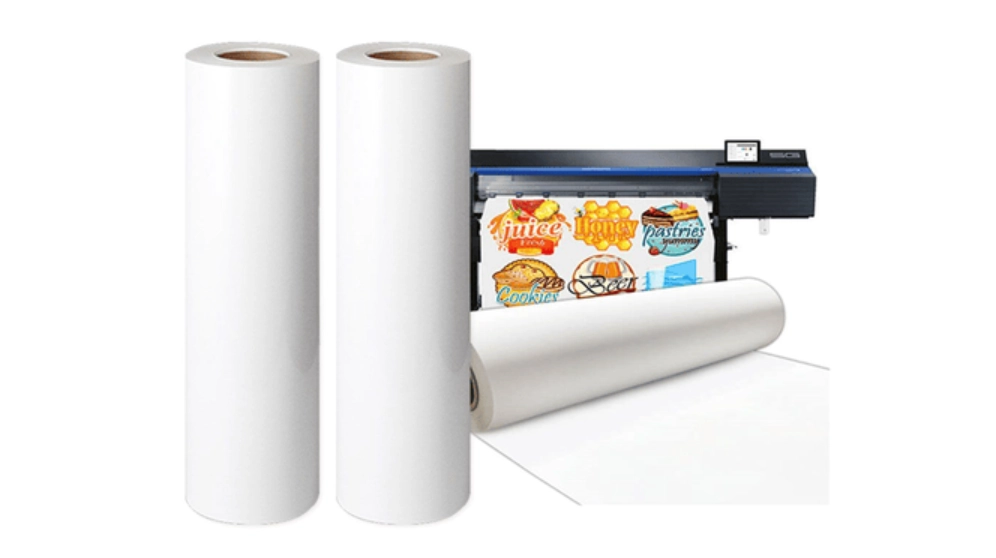
Сублимация красителей далеко превзошла свою раннюю роль в качестве техники украшения ниши. В современном текстильном производстве он работает как контролируемая система окраски, которая интегрирует химию, тепловую инженерию, науку о покрытиях и физику тканей. Когда вы сталкиваетесь с полиэстером, сублимация - это не просто один из многих вариантов, а эталонный процесс, против которого измеряются долговечность, точность цвета и стабильность жизненного цикла.
Решение о сублимации должно основываться не только на визуальных результатах, но и на том, как миграция пигмента ведет себя на уровне полимера, как расходные материалы взаимодействуют с условиями пресса и как дефекты масштабируются при непрерывном производстве.
В этой статье рассматриваются обе стороны процесса: где сублимация дает структурные преимущества по сравнению с полиэстером, и где она навязывает эксплуатационные границы, которые влияют на свободу конструкции, выбор материалов и контроль затрат.
Кто такой Changfa Digital и какую помощь он предоставляет в процессе сублимации красителей?
В промышленных процессах сублимации оборудование и расходные материалы формируют результаты так же, как и тепло и чернила.
Changfa цифровой, часто интегрированные в производственные линии большого объема, вертикально интегрированный производитель, специализирующийся на бумага сублимации и услуги цифровой печати. Мы осуществляем полное внутреннее производство от обработки базовой бумаги до покрытия и точного разреза и поставляем сублимационную бумагу более 15 лет глобальным текстильным и печатным заводам.
Наши объекты включают в себя четыре линии покрытия, четыре цеха резки и десять резких машин, поддерживающих многоядерные форматы рулонов, с ежемесячным производством около 3000 тонн и экспортом около 120 контейнеров по всему миру. Линия покрытия, импортируемая из Германии, поддерживает ежедневную стабильность производства, в то время как ассортименты продуктов охватывают несколько граммов, включая форматы 90 gsm и 100 gsm, широко используемые для передачи полиэстера.
Наряду с производственными мощностями наша компания обеспечивает ОЭМ/ОДМ и непрерывное техническое обслуживание, отражающее, как надежность расхода стала частью производственных методов, а не простой закупки.
Почему сублимация красителя так эффективно связывается с полиэстеровыми волокнами?
Полиэстер не только совместим с сублимацией, но и химически восприимчив к ней. Эта совместимость определяет, становится ли переданный цвет структурным свойством ткани или остается хрупким поверхностным отложением.
Как делать дисперсные красители мигрируют в цепи полиэстерных полимеров во время тепловой активации, и почему делает это создает постоянную окраску вместо поверхностного покрытия
При нагревании до температуры передачи полиэстеровые волокна проходят через фазу смягчения вблизи их стеклянного переходного диапазона, когда дисперсные красители входят в состояние пара и диффузируются в полимерную матрицу, а не сидят на вершине пряжи. По мере охлаждения ткани полимерные цепи сокращаются и захватывают молекулы красителя внутри своей структуры.
Этот механизм объясняет, почему сублимированный полиэстер не трещинает, не обещает или не шерстит - нет чернильной пленки, которая может сломаться при изгибании или абразии. Цвет становится частью корпуса волокна, а не нанесенного слоя, что означает, что устойчивость к абразии определяется износом волокна, а не сбоем покрытия, а прочность мытья зависит от стабильности полимера, а не химии связывающих веществ.
Природные волокна ведут себя по-другому. Хлопок и вискоза не имеют молекулярного свободного объема, необходимого для диффузии паров красителей, поэтому сублимация производит слабую, временную окраску на этих субстратах. Именно полимерная архитектура полиэстера позволяет успешно применять сублимацию в промышленности.
Какие производительные преимущества предлагает сублимация в реальных текстильных приложениях?
Химическая совместимость становится ценной только тогда, когда она дает измеримые преимущества по отношению к готовой ткани.
Как цветовая насыщенность, точность края, дыхание и ткань руки чувство изменения, когда пигменты становятся частью структуры волокна
Поскольку красители встраиваются внутри волокон, отражение света происходит через саму пряжу, а не через поверхностное покрытие, которое производит высокую хроматическую плотность без искажения блеска. Тонкие линии остаются острыми, потому что во время передачи ни одно жидкое чернило не распространяется по промежуткам пряжи.
Он также избегает жесткости. Поскольку нет полимерного связывающего слоя, проницаемость воздуха и эластичность остаются неизменными. Спортивная одежда, флаги, баннеры и мягкие знаки сохраняют свое первоначальное поведение по транспортировке влаги.
При стирке и воздействии на открытом воздействии сублимированный полиэстер поддерживает предсказуемые кривые бледания. Краситель не отделяется, и деградация происходит только по мере старения полимерных цепей. Эта консистенция упрощает гарантии на продукт и уменьшает необходимость в агрессивных покрытиях после обработки.
Какие ограничения следует оценить, прежде чем приступить к сублимации на полиэстере?
Сильные стороны сублимации существуют наряду с недостатками, не поддающимися переговорам.
Почему делать цвет ткани, содержание полимера, тепловая толерантность и совместимость покрытия ограничивают свободу конструкции и производственные окна
Во-первых, для этого требуется светлый или белый полиэстер. Сублимация добавляет цвет, но не может маскировать темные субстраты. В этом процессе также имеет значение содержание полиэстера, о чем свидетельствует тот факт, что чем выше соотношение смешивания, тем больше нет полиэстеровых волокон и чем ниже насыщенность.
Во-вторых, тепловая толерантность становится еще одним пределом. Ткани с нестабильными отделками, эластомерами с низким плавлением или чувствительными текстурами могут искажаться в условиях пресса. Кроме того, плотность глубокого черного цвета зависит как от состава чернила, так и от эффективности выпуска бумаги.
Наконец, привидение и неравномерная передача возникают, когда влажность бумаги, равномерность покрытия или давление пресса меняются. Эти риски растут с шириной ткани и покрытием чернилами, поэтому расходные материалы следует рассматривать как контролируемые переменные, а не взаимозаменяемые поставки.
Как вес бумаги сублимации влияет на эффективность передачи и показатели дефектов?
Как только химия волокна удовлетворена, характеристики бумаги становятся решающими.
Как плотность покрытия, пористость базовой бумаги, время выпуска чернил и стабильность рулона влияют на динамику передачи газа в условиях пресса
Легкая бумага быстро высвобождает влагу и пар красителя, сокращая тем самым время пребывания и уменьшая коккинг во время высокоскоростной печати. Вот почему многие производственные линии предпочитают средний граммаж для рабочих процессов одежды.
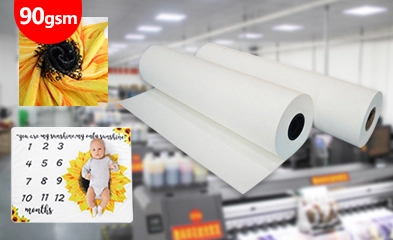
Типичным примером является 90 гсм быстро сухая бумага сублимации, предназначенный для сбалансирования поглощения покрытия с быстрой эвакуацией влаги и стабильной обработкой ролика во время непрерывного кормления. В полиэстерной печати этот класс бумаги минимизирует размывание края и поддерживает последовательную передачу, когда температура пресса незначительно колебается.
Однако более легкая бумага имеет меньшую способность удерживать чернила. Когда конструкции включают тяжелые черные поля или фотографические градиенты, насыщение покрытия может стать ограничивающим фактором.
Когда следует выбрать более тяжелую сублимационную бумагу над более легкими сортами?
Вес бумаги становится решением по контролю процесса, а не показателем затрат.
Как более высокая масса бумаги улучшает толерантность нагрузки чернила, тепловую стабильность и точность регистрации крупного формата в промышленных средах
Более тяжелые подложки хранят больше чернил на квадратный метр и сопротивляются деформации во время длительных циклов пресса. Он может уменьшить турбулентность газового потока при высокой плотности пигмента и улучшить регистрацию в широкоформатных календарях, выставочном текстиле и архитектурных панелях.
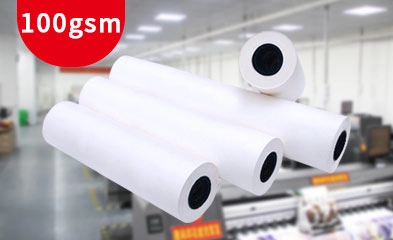
В этих сценариях, 100 гсм быстро сухая бумага сублимации предлагает большую термическую размерную стабильность и мощность покрытия, что позволяет вам продвигать глубину цвета без увеличения вероятности дефекта.
Жертвой является немного медленная скорость сушения, но в обмен на это достигаются более предсказуемые результаты передачи, что часто благоприятно для серийно-критического производства, где перепечатки стоит больше, чем расходные материалы.
Сублимация красителя экономически масштабируема для непрерывного производства полиэстера?
Одна лишь работа не оправдывает какой-либо процесс. Масштабируемость зависит от поведения системы в течение месяцев работы.
Как формируются использование оборудования, скорость потребления бумаги, плотность чернил, вероятность дефектов и циклы переработки в стоимость за квадратный метр
Линии сублимации пользуются низкими затратами на последующую обработку - без мытья, без парования и минимальными сточными водами. Использование оборудования остается высоким, потому что изменения в настройке включают цифровые файлы, а не экраны.
Основными переменными являются выход бумаги, покрытие чернилами и частота дефектов. Стабильное покрытие и контролируемое содержание влаги уменьшают циклы переработки, которые часто представляют собой самые большие скрытые расходы в текстильной печати.
Эффективность судоходства также имеет значение. Стандартизация ширины рулона и паллетизированная упаковка уменьшают повреждения при обращении, помогая сохранять расходные материалы последовательными от разгрузки контейнера до подачи прессом. Со временем эта логистическая эффективность способствует прибыльности больше, чем маргинальные разницы в ценах на чернила.
Какой технический контрольный список помогает вам решить, подходит ли сублимация для вашей линии полиэстерных тканей?
Как морфология волокна, GSM, плотность вязания, окно температуры пресса, совместимость бумаги и среда окончательного применения определяют осуществимость
Вы можете обратиться к следующему контенту:
Содержание полиэстера выше требуемого порога насыщения
2.Fabric GSM в пределах тепловой толерантности пресса
Плотность 3.Knit совместима с диффузией пара
4.Стабильная химия отделки под 180-210 ° C
5. граммаж бумаги соответствует профилю нагрузки чернила
6.Целевая цветовая гамма, определенная освещением конечного использования
7.Умыть количественные требования к долговечности
8.Скорость производства согласована с мощностью сушки
Если эти переменные согласуются, сублимация становится предсказуемым методом производства, а не операцией испытаний и ошибок.
Часто задаваемые вопросы
Q1: Может ли работа сублимации красителя на смешанных полиэстеровых тканях?
А: Да, но только полиэстеровая фракция поглощает краситель. Неполимерные волокна остаются в основном без цвета, что снижает контраст и насыщенность. Высокополиэстеровые смеси дают самые последовательные результаты.
Q2: влияет ли сублимация на мягкость или дыхание полиэстерной ткани?
Ответ: Нет. Поскольку не образуется поверхностный слой, первоначальное ощущение руки, поведение растяжения и проницаемость воздуха остаются неизменными после передачи.
Q3: Как вы уменьшаете хостинг и неравномерную передачу во время сублимации большого формата?
A: Контроль единообразия покрытия, скорость высвобождения влаги, напряжение ткани и распределение температуры пресса. Выбор веса бумаги также играет важную роль, когда покрытие чернилами высоко.


