


Как достичь более ярких сублимационных печатей с помощью выбора и настройки чернил?
Горячая Продажа
Приложение
Phone:+86-15215969856 E-Mail: 396838165@qq.com
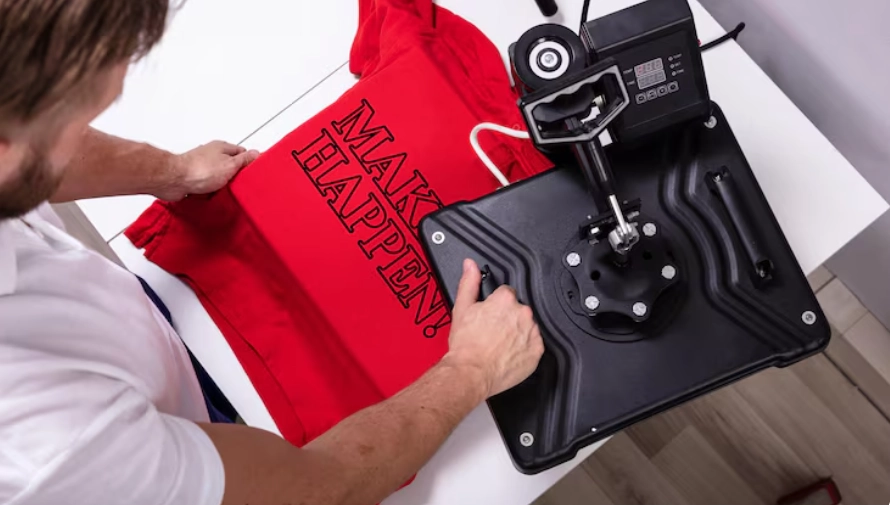
Чтобы получить более яркие сублимационные печати, выбор правильного чернила и тщательная настройка машины имеют большое значение. Высококачественные, стабильные химические чернила с небольшими цветовыми битами, такими как специальные красные чернила, убедитесь, что яркие цвета и сильное наполнение. Правильные настройки теплового пресса (уровень тепла, сила, время) и правильные файлы ICC с программами RIP необходимы для истинного перемещения цвета. Использование соответствующей бумаги высокого уровня сублимации и поддержание стабильного пространства для печати с регулярным уходом за принтером останавливает проблемы, такие как тупый внешний вид, исчезновение и неравномерные результаты. Это обеспечивает длительный блеск в печатах.
Почему сублимационные печати часто выглядят скучными или вымытыми?
Цветовая яркость напрямую влияет на формулировку чернил и выбор настроек принтера
Сублимационная печать опирается на точные химические и машинные факторы. Когда печати кажутся скучными или легкими, обычная причина исходит из цветов с низкой толщиной или чернил, которые не хорошо подходят к сублимационным основам. Этим смесям не хватает цветовой силы, необходимой для глубоких, ясных тонов во время теплового перемещения.
Неправильные файлы ICC и выбор принтера также значительно меняют цвет отправки. Без установленного пространства, которое устраивает принтер, чернила и бумагу, совпадение тонов может потерпеть неудачу. Плохие настройки теплового пресса, такие как недостаточное количество тепла, силы или времени пребывания, могут сдерживать яркость. Неравномерное распространение тепла приводит к частичному изменению газа красителя. Это приводит к неравномерному цвету по всей базе.
Неравномерное движение тепла или силы приносит больше проблем. Небольшое несоответствие в силе пластины или изменении тепла может остановить даже сублимацию, вероятно, приводя к пятнистым, легким областям, поэтому работники должны часто проверять результаты инструмента, чтобы избежать этих несоответствий тела.
Роль красного сублимационного чернила в достижении более богатого визуального выхода
Среди группы CMYK красный остается самым трудным для копирования прямо в сублимации, что в основном происходит из-за необходимости высокой чистоты magenta и желтых цветов в точных долях. Низкоуровневое красное сублимационное чернило FTEN движется в сторону оранжевого или розового. Это наносит вред истине дизайна и разрезает видимое заполнение.
Лучшее красное чернило не только обогащает красные тоны, но и повышает полный контраст картины и глубину обзора. Это доказывает ключ в использовании высокопрозрачной ткани или фотоотпечатков, где сила тона считается наиболее важной. Хорошо построенное красное чернило работает в качестве цветового держателя, способствующего стабилизации градиентных переходов и выделению более темных тонов для более сильных взглядов.
Красные чернила плохого уровня часто смещаются в сторону оранжевого или розового, искажая реальность полной картины.
Как химия чернил влияет на яркость сублимации?
Дисперсия пигмента, размер частиц и жидкость носителя все способствуют окончательному блеску цвета
Химия сублимационных чернил определяет, насколько хорошо цвета показываются после перемещения. Даже распространение цвета гарантирует, что место красителя остается равным во время запуска тепла. Если биты группируются или падают, результат становится пятнистым цветом или меньшей яркостью.
Размер цвета также считается. Меньшие биты лучше входят в покрытые основы, что позволяет более жесткое насыщение и более резкие края. В сочетании с лучшими жидкостями-носителями, созданными для лучшего красителя, свободного от загрязнения, сублимационные чернила могут достичь непревзойденного блеска без слишком много левой конструкции.
Верхние носители также помогают газом чистить под теплом, убеждаясь, что полный цвет свободен при резании блока с базой. Этот баланс важен как для ткани, так и для твердой основы, которая требует острых деталей и наполненных тонов.
Почему сублимационное чернило серии 1962 предлагает более яркую отделку для текстильных приложений
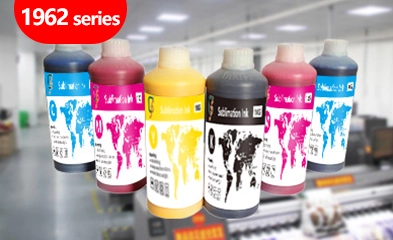
В 1962 серия сублимационных чернил выделяется своей лучшей технологией распространения, которая дает более высокие значения яркости по путям CMYK. Его стабильная смесь создается для снижения рисков блокирования, сохраняя при этом отличное сопоставление с быстрыми печатными головками. Это делает его идеальным для создания масштабных пространств.
Эта сублимационная чернила серии 1962 года использует изысканную технологию дисперсии для более высокой производительности хрома. Стабильная формулировка минимизирует заборы, максимизируя совместимость печатной головки. Идеально подходит для текстильной печати высокого разрешения, требующей резкого контраста и ярких оттенков.
Такие особенности заставляют серию 1962 года хорошо работать на полиэстеровых тканях и покрытой бумаге, которые нуждаются в стабильном блеске и результатах в течение длительной работы.
Какие настройки могут улучшить насыщенность цвета сублимации?
Температура, время и давление теплового пресса должны быть калибрированы для соответствия типу подложки
Разные основы реагируют на тепло по-разному. Например, полиэстеровым смесям может потребоваться меньшее тепло или более длительное время пребывания, чем твердым предметам, таким как покрытый металл. Слишком много тепла может привести к распространению дополнительного красителя мимо краев изображения. Это приводит к размытым линиям и тупым тонам.
Недостаточное нагревание предотвращает полное сублимирование красителей на поверхность подложки, оставляя за собой неполную передачу, которая кажется сбледней. Однообразное давление также имеет решающее значение; несоответствующий контакт с пластиной может вызвать недооткрытые зоны в конструкции.
Работники должны настроить свой выбор теплового пресса точно на базовые детали. Они должны проверять руководства продавца при тестировании новых предметов.
Как профили ICC принтера и настройки программного обеспечения RIP влияют на точность тонального диапазона
Файлы ICC необходимы для правильной обработки цвета. Каждый файл должен точно соответствовать принтеру, смеси чернил и перемещению бумаги в использовании. Несоответствие может вызвать внезапные изменения цвета, в основном в сенсорных тонах, таких как цвет кожи или красный.
Программы RIP добавляют больше контроля, изменяя пределы чернил, фиксируя рост точек и прямые кривые. Эти варианты лучше тонизируют шаги и позволяют рабочим толкать заполнение без слишком много замокивания или распространения.
Правой набор обеспечивает равномерность представления по всем рабочим местам - ключ для брендов, которые обрабатывают строгие правила цвета во многих группах изготовления.
Может ли качество бумаги повлиять на яркость сублимированных печатей?
Вес покрытия бумаги передачи влияет на удержание красителя и эффективность высвобождения
Перемещение стандартной бумаги считается столько же, сколько чернила. Тяжелые покрытые бумаги содержат больше красителей, но могут потребоваться более длительные сроки пребывания полностью бесплатно. Легкие покрытия могут позволить быстрее двигаться, но рискуют неравномерно взять, если не совпадают правильно с подходящими чернилами.
Бумаги низкого уровня принимают краситель неравномерно, вызывая пятнистые или легкие области в печатах. Лучшие бумажные балансы принимают с быстрым бесплатным для более резкого движения изображения.
Рабочие должны думать о весе покрытия (gsm) и равномерности покрытия при сборе бумаги для ключевых целей, таких как спортивная ткань или знаки.
Почему сочетание качественных чернил с совместимой бумагой имеет важное значение для последовательных результатов яркости
Бумажный матч не может подвергаться слишком большому стрессу. Даже высококачественные чернила будут работать меньше, если они используются с неправильной или низкокачественной бумагой. Тени, линии или цветовое распространение доказывают общие результаты таких несоответствий.
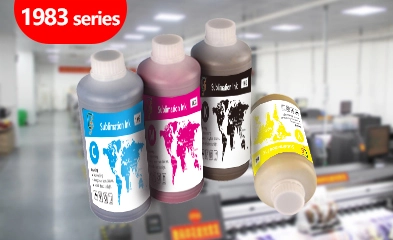
Высокоэффективные чернила, такие как сублимационные чернила серии 1983 года, обеспечивают плавный поток на покрытой бумаге. В 1983 серия чернила сублимации Поддерживает непрерывную печать без перерыва. Это позволяет получить яркие результаты даже на быстрых линиях.
Как специалисты могут обеспечить долгосрочную последовательность цвета во всех проектах?
Рутинное обслуживание принтеров предотвращает блокировки сопл, которые влияют на плотность цвета
Сублимационные принтеры требуют ежедневных проверок сопл и регулярных циклов обслуживания для сохранения качества выхода. Когда сопла забираются, особенно те, которые обрабатывают цвета с высокой вязкостью, такие как красный, это вызывает неравномерное распределение цвета и бледание в критических областях.
Установите чистые круги, чтобы обеспечить поток чернил даже по всем путям. Заблокированные сопла резают заполнение в определенных тонах - легко увидеть в красном цвете. Регулярные проверки сопл помогают рано обнаружить проблемы с светом.
Передний уход продлевает срок службы инструмента, обеспечивая при этом, чтобы каждая печать сохраняла стабильный блеск со стороны в сторону.
Контроль окружающей среды в рабочем пространстве печати стабилизирует результаты печати
Колибания температуры и влажности влияют на скорость сушения и испарение красителя во время прессования. Высокая влажность может продлить время сушения, приводящее к замразлению или задержке передачи, в то время как колебания температуры могут изменить реакцию субстрата.
Влажность комнаты влияет на скорость сухости и поток изменения красителя. Тепловые изменения могут изменить прием базы во время пресса. Контрольные пространства сокращают смену между группами или сезонными сменами.
Специальные комнаты с климатом обеспечивают большую предсказуемость в профессиональных рабочих процессах.
Почему CHANGFA DIGITAL является надежным партнером для ярких результатов сублимации печати
Десятилетия инноваций в цифровой текстильной печати, разработанных для профессионалов
CHANGFA Цифровой установил себя в качестве лидера в предметах сублимации с высоким результатом, сосредоточившись на чистом цвете, стабильности смеси и использовании R& D. Их группа охватывает лучшие смеси CMYK, включая специальные красные сублимационные чернила, которые дают стабильные яркие результаты без риска для работы печатной головки.
От изготовления базовой бумаги до индивидуальных весов покрытия, варьирующихся от 29gsm до 100gsm, наши основные продукты: 29gsm, 35gsm, 40gsm, 50gsm, 60gsm, 70gsm, 90gsm, 100gsm, CHANGFA DIGITAL убеждается, что каждый рулон, отправленный во всем мире, соответствует жестким знакам качества. Мы импортировали 1 набор самой передовой линии покрытия для производства бумаги сублимации ежедневно из Германии.
Покупатели получают от ОЭМ/ОДМ заказные услуги. Вы можете настроить его с образцами, продукты, которые вам нужны, также могут быть настроены нами. Быстрая техническая помощь. У нас есть профессиональный персонал онлайн-сервис, может дать вам своевременную помощь в короткое время и решить проблемы, с которыми вы сталкиваетесь, для вас и полную совместную систему производства, которая повышает прочность линии поставок. Мы предоставляем круглосуточное обслуживание, вы можете связаться с нами вовремя, если у вас есть какие-либо вопросы.
Часто задаваемые вопросы
В: Что заставляет мои красные цвета выглядеть скучными после нажатия?
Ответ: Тупые красные цвета часто являются результатом пигментов с низкой чистотой или неправильных настроек теплового пресса, которые предотвращают полное преобразование красителя во время сублимации.
В: Нужен ли мне конкретный профиль ICC для каждого типа сублимационных чернил?
О: Да, использование соответствующего профиля ICC обеспечивает точное воспроизведение цвета, приведя поведение принтера в соответствие с характеристиками выбранного чернила.
В: Как часто я должен чистить свой сублимационный принтер, чтобы поддерживать яркий выход?
A: Для профессионального использования, выполняйте проверки сопл ежедневно и глубокую чистку еженедельно, чтобы предотвратить заборы, которые могут уменьшить интенсивность цвета со временем.


