


Горячая Продажа
Приложение
Phone:+86-15215969856 E-Mail: 396838165@qq.com
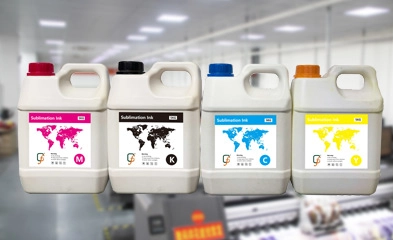
Fabric choice stands out as one of the most critical factors in dye sublimation printing processes. Color intensity, lasting quality, and shape retention all hinge upon fiber reactions during thermal transfer and garment performance under everyday conditions. Polyester materials lead sublimation applications since dyes form chemical connections with synthetic strands, delivering durable outcomes. However, current clothing trends frequently call for stretch capability, bringing spandex combinations into sublimation production lines.
Elastic textiles deliver enhanced comfort and a greater range of motion, but these same properties create additional difficulties regarding print uniformity and design steadiness. Deciding whether spandex suits sublimation work involves weighing image precision, functional garment requirements, and manufacturing effectiveness rather than presuming stretch materials invariably enhance overall product value.
Why Does Fabric Choice Matter in Sublimation Printing?
Before evaluating differences between standard polyester and elastic blends, careful consideration of fiber makeup effects on sublimation performance is essential.
How do fibers influence dye absorption?
During heat application, sublimation dyes convert into gaseous form and attach directly to polyester molecular structures. Such attachment produces impressions resistant to cracking or flaking because colorants integrate in fiber composition. Natural materials like cotton lack comparable chemical affinity, leading to faint or quickly fading results. Consequently, initial fabric composition largely determines whether sublimation efforts succeed or encounter fundamental limitations.
Can fabric structure change color appearance?
Apart from basic fiber chemistry, weave structure and surface characteristics substantially modify perceived final quality. Structurally dense, smoothly finished knits reflect light uniformly, thereby sharpening graphic elements and strengthening apparent color richness. More loose or patterned structure disperses light rays, softening visual features and reducing contrast perception. Identical ink formulations and transfer papers applied across differing structures frequently yield visibly distinct impressions.
What Makes Spandex Different from Standard Polyester Fabrics?
Incorporation of spandex brings significant stretch recovery that alters both garment function and printing dynamics.
Why is spandex blended with polyester?
Spandex strands provide exceptional elongation combined with swift return to original dimensions, allowing clothing to accommodate body motion while preserving fit, which makes it suitable for activewear, form-fitting leggings, compression articles, and performance-oriented garments where unrestricted movement holds primary importance. Polyester constitutes the principal blend component, maintaining sublimation dye compatibility, while spandex contributes essential elasticity.
Does elasticity influence print stability?
Stretchable textiles undergo repeated expansion and contraction throughout normal wear cycles. Designs applied onto relaxed states sometimes experience minor proportional shifts when garments extend during use. Continuous stretching additionally modifies light reflection patterns across printed regions. Although sublimated colorants extend alongside fibers, motif proportions may vary according to applied tension levels and specific usage circumstances.
How Does Sublimation Ink Perform on Stretch Fabrics?
Ink composition assumes considerable importance when substrates experience size changes during extended wear periods.
Can stretch fabrics reduce color consistency?
Fabric compression or irregular surface tension during pressing occasionally affects dye migration patterns, producing slight tonal differences throughout printed areas. Regions under stress frequently display a lighter appearance, while compressed zones exhibit deeper shades due to localized density variations. Careful control of material tension throughout heat application substantially mitigates such inconsistencies.
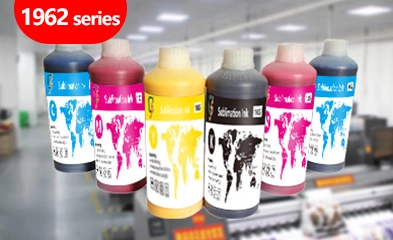
A feasible approach is utilizing inks formulated specifically for dependable transfer characteristics. For instance, 1962 серия сублимационных чернил delivers a broad color range, enhanced black density post-transfer, and consistent flow properties suitable for sustained manufacturing, thereby supporting uniform coloration even across polyester bases containing elastic components.
Do ink properties affect durability on stretch garments?
Smooth ink delivery promotes reliable printer operation and transfer quality over prolonged sessions while minimizing clogging risks. Post-transfer attributes, including resistance to repeated washing and exposure to sunlight, determine sustained garment appearance. Effective molecular bonding permits printed areas to elongate concurrently with the fabric structure without developing noticeable fractures.
Which Applications Benefit Most from Spandex Fabrics?
Spandex combinations are advantageous in particular clothing categories rather than across every apparel category.
Why is spandex preferred in sportswear?
Athletic team uniforms, compression clothing, yoga outfits, and cycling attire depend substantially upon elastic properties to accommodate vigorous physical activity. Stretch textiles enhance wearer comfort while preserving the stable garment shape. Sublimation techniques enable the application of striking team logos and branding details without sacrificing necessary flexibility.
Is spandex suitable for loose or casual apparel?
Relaxed-fit or generously proportioned garments derive minimal practical advantage from added elasticity. Conventional polyester fabrics generally offer simpler production management, reduced material expenses, and more stable printing performance. Such garments have lower surface strain, thereby decreasing concerns related to design distortion.
How Can Printing Parameters Be Adjusted for Stretch Fabrics?
It is necessary to properly adjust elastic substrates based on technical parameters to ensure acceptable printing quality.
Should heat press settings change for spandex blends?
Spandex components demonstrate particular sensitivity toward elevated thermal levels. Excessively high temperatures risk impairing recovery characteristics or generating unwanted surface gloss. Carefully controlled transfer temperatures protect the fiber performance while allowing for adequate dye penetration into polyester portions.
Does fabric tension influence transfer results?
Application to completely relaxed material reduces proportional distortion risks. Stretched positioning during pressing sometimes causes design compression upon subsequent release, altering intended dimensions. Maintaining flat, unstressed fabric conditions throughout heat application preserves pattern fidelity effectively.
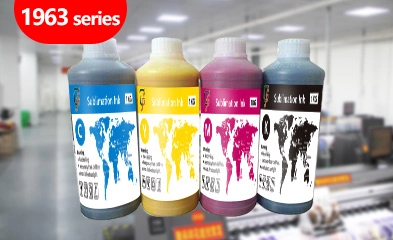
For production environments pursuing reasonable cost structures and functional performance, 1963 серия сублимационных чернил provides reliable color deposition and steady operational characteristics, facilitating uniform outcomes across polyester-based stretch garment materials.
Who Provides Stable Materials for Sublimation Production?
Reliable sublimation manufacturing rests heavily upon consistent material quality and uninterrupted supply availability.
Many global textile printing facilities collaborate with suppliers exercising thorough oversight throughout the sublimation paper creation stages. Changfa цифровой is an organization specializing in бумага сублимации manufacturing and digital textile printing technologies spanning more than fifteen years. Equipped with four dedicated coating systems alongside various precision slitting operations, we oversee complete production sequences from initial base paper selection through final coating processes and roll preparation. Our substantial monthly output volumes, measured in thousands of tons, combined with global export distribution, enable textile producers everywhere to achieve stable transfer consistency.
This vertically integrated approach permits garment manufacturers to focus on creative development and operational streamlining rather than contending with material inconsistencies.
Is Spandex Ultimately the Right Choice for Sublimation Apparel?
The final decision should be made by careful alignment between the intended garment function and specific printing demands.
When should spandex be selected?
Elastic combinations deliver optimal performance in categories necessitating flexibility, compression support, or snug body conformity. Athletic team attire, performance-oriented clothing, and active lifestyle garments derive considerable advantages from combined stretch properties and sublimation durability characteristics.
When should standard polyester remain preferred?
Large-scale apparel decoration, promotional clothing items, or applications emphasizing shape constancy often benefit more from conventional polyester substrates. These materials provide greater predictability and economical advantages while maintaining design integrity independent of garment tension variations, thereby simplifying overall production management.
Часто задаваемые вопросыс
Q: Does sublimation printing work on pure spandex fabric?
A: Sublimation dyes primarily attach to polyester molecular structures; consequently, spandex typically appears in blended compositions rather than standalone form to enable effective transfer results.
Q: Can stretch garments cause printed designs to crack?
A: Negative outcomes rarely occur. Properly sublimated colorants integrate into fiber structures, permitting printed regions to elongate concurrently with the surrounding fabric without developing fractures.
Q: What is the main challenge when printing on spandex blends?
A: Controlling dimensional variations alongside preserving uniform color presentation when elastic fabrics undergo stretching or compression represents the predominant difficulty.


