


HOT SALE
APPLICATION
Phone:+86-15215969856 E-Mail: 396838165@qq.com

Two jerseys can use the same artwork, the same sublimation printer, and almost the same fabric weight, yet the choice of sublimation jersey fabric can make them feel completely different on the field. The reason is simple: GSM is only part of the fabric decision.
A sublimation jersey fabric also has a knit structure, stretch level, surface texture, width, and fiber composition. Those details affect airflow, movement, print definition, and how the garment behaves after heat transfer. A smooth polyester interlock fabric may suit a detailed football shirt, while a more open bird eye mesh fabric can make more sense where ventilation matters. A polyester spandex fabric brings another factor into the decision: controlled stretch. For sportswear buyers, the useful question is therefore not “Which fabric is best?” It is “Which fabric properties fit this sport, garment cut, and print design?”
What Should Buyers Compare Before Choosing Sublimation Jersey Fabric?
A useful fabric comparison starts with the finished garment, not with a fabric swatch in isolation.
How Does Knit Structure Change the Jersey?
Interlock, bird eye, and stretch knits behave differently because their surfaces and loop structures are different.
Changfa Digital GZP-001 is a 100D interlock fabric at 153 cm wide and 155gsm with 100% polyester composition. GZP-013 is a 36F Bird Eye at 165 cm and 120gsm, also 100% polyester. GZS-001 is a 75D SP fabric at 185 cm and 160gsm with 92% polyester and 8% spandex.
That gives buyers three very different starting points.
A polyester interlock fabric has a relatively smooth visual surface, which helps when artwork contains fine logos, thin lines, gradients, or small sponsor details.
A bird eye mesh fabric has a more open and textured surface. That texture can improve the feel of ventilation, but the design is being viewed across a less continuous surface.
A polyester spandex fabric adds flexibility. It becomes useful where the garment needs to move closely with the body rather than simply hang from it.
Buyers comparing these constructions can use the industrial sublimation fabric guide as a practical reference for polyester and polyester-spandex production.
Why Is GSM Not Enough to Make the Decision?
A 150gsm interlock and a 150gsm bird eye fabric do not automatically perform the same way.
GSM tells you how much the fabric weighs per square meter. It does not tell you how compact the loops are, how open the surface is, or how much stretch is built into the construction.
Read GSM alongside three groups of information: construction and fiber composition; usable width and stretch direction; and surface texture matched to the garment use.
This prevents a common purchasing mistake: choosing a fabric because the weight matches an old specification while ignoring the structure that made the previous jersey work.
Which Fabric Works Better for Football and Soccer Jerseys?
Football and soccer shirts need a balance. They should feel light enough for movement, but the front surface still needs to carry sponsor marks, numbers, gradients, and team graphics clearly.
When Does Polyester Interlock Fabric Make More Sense?
A polyester interlock fabric is a strong choice when visual definition is high on the priority list.
A smoother surface can make small graphic elements easier to read. It also gives the garment a more even visual face, which is useful for club shirts with detailed all-over designs.
Changfa Digital’s interlock options cover several weights. GZP-005 is a 36F Interlock at 180 cm and 120gsm, while GZP-020 is a 100D Interlock at 185 cm and 175gsm. This allows the same broad construction family to serve lighter and more substantial garment requirements.
A lightweight training top does not need to feel like a heavier match jersey. The fabric family can stay similar while the GSM changes with the use.
When Is Bird Eye Mesh Fabric the Better Option?
A bird eye mesh fabric becomes more attractive when breathability and a more open sportswear texture are priorities.
Changfa Digital has Bird Eye options ranging from lighter constructions such as GZP-013 at 120gsm to heavier structures such as GZP-016 at 195gsm.
The difference matters because a lighter bird eye mesh fabric may suit high-activity use, while a heavier version can provide more body when the finished garment needs a stronger feel.
The fabric still needs a real print test. Very fine artwork may look slightly different on a textured surface, so the sample should contain the same small details that will appear on the final jersey.
Which Fabric Fits Basketball, Futsal, and High-Airflow Sports?
Indoor and high-intensity sports often push buyers toward fabrics that manage heat and movement differently from a traditional football shirt.
Bird eye mesh fabric is often worth testing in this category because the construction creates a more ventilated surface, but “mesh” is not one universal specification.
Check the actual hole structure, GSM, surface appearance, and how the print looks after transfer. A very open textile may feel excellent during activity but soften extremely small image details.
Use a sample with player numbers and sponsor text plus large solid areas, gradients, and small logos to identify the garment benefit and print limit before bulk approval.
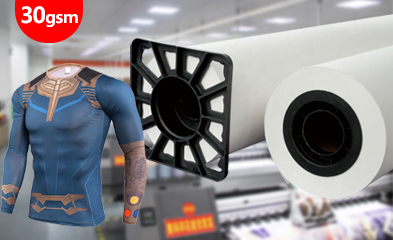
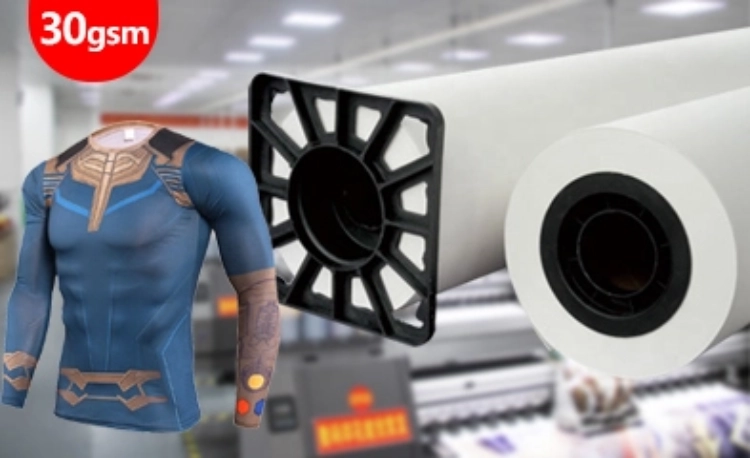
If the fabric will be printed on a high-throughput line, lightweight transfer media such as 30gsm transfer paper can also be evaluated as part of the complete fabric-printing setup rather than choosing the paper after production has already started.
When Does Polyester Spandex Fabric Make More Sense?
Not every sports jersey needs substantial stretch. Some garments do.
Which Sports Benefit From Added Stretch?
Cycling tops, fitted training wear, compression-style garments, fitness apparel, and close-fitting performance pieces can benefit from controlled stretch.
A polyester spandex fabric allows the garment to move with the body more closely.
Changfa Digital’s GZS range provides several ratios. GZS-001 uses 92% polyester and 8% spandex at 160gsm, while GZS-004 uses 88% polyester and 12% spandex at the same 160gsm weight.
The identical GSM does not mean the two fabrics will feel identical. Their blend ratios are different, which changes the stretch requirement the production team needs to assess.
What Should Be Tested Before Bulk Production?
Stretch fabric needs more than a static color check.
After sublimation, stretch the sample in the direction the garment will actually move. Look at: graphic distortion, recovery after release, color appearance while stretched, dimensional stability, and seam-area behavior.
A polyester spandex fabric should also be tested through the real heat-transfer process. Tension during transfer matters because a fabric transferred under one stretch condition and sewn under another can behave differently in the garment.
Changfa Digital’s fabric and ink selection guide provides another useful route for evaluating polyester blends alongside actual sublimation conditions.
How Should Buyers Match Fabric Type to Different Sports?
A simple decision table is more useful than choosing one “premium” fabric for every order.
|
Sport / Use |
Starting Fabric Direction |
Main Reason to Test |
|
Football / Soccer |
Interlock or Bird Eye |
Print clarity vs ventilation |
|
Basketball / Futsal |
Bird Eye |
Airflow and active comfort |
|
Cycling |
Polyester-Spandex |
Stretch and close fit |
|
Gym / Training Wear |
Polyester-Spandex or light Interlock |
Movement and recovery |
|
Team Casualwear |
Interlock |
Smooth appearance and graphics |
|
Goalkeeper / heavier jersey |
Heavier Interlock or Bird Eye |
Body and durability |
This table is a starting point, not a substitute for sampling.
The final sublimation jersey fabric should be selected with the actual garment pattern, print artwork, and end-use conditions in mind.
For a new jersey program, send Changfa Digital the garment cut, artwork, target sport, and throughput requirements before sampling so fabric construction, transfer paper, and ink can be compared as one production setup.
Conclusion
The best sublimation jersey fabric depends on what the garment has to do.
Polyester interlock fabric is useful when buyers want a smooth face and clear graphic detail. Bird eye mesh fabric gives another route when airflow and sportswear texture matter. Polyester spandex fabric becomes important when the garment needs controlled stretch and closer body movement.
The important step is to compare construction and end use together.
For sublimation sportswear fabric, GSM alone cannot explain the finished result. A proper fabric decision combines fiber composition, knit structure, stretch, width, weight, artwork, and the actual transfer process.
That approach makes fabric selection more predictable before the order reaches bulk production.
FAQs
Q1: Which sublimation jersey fabric is best for football shirts?
A1: Polyester interlock and bird eye are both practical starting points. Interlock favors a smoother printing surface, while bird eye can add more open texture and ventilation. The final choice should be tested with the actual artwork and garment cut.
Q2: Is bird eye mesh fabric suitable for detailed sublimation printing?
A2: Yes, but the visible texture can affect how very fine lines and small details appear. Include those details in the pre-production sample rather than approving the fabric from a plain swatch.
Q3: Why use polyester spandex fabric in sportswear?
A3: Polyester spandex fabric adds controlled stretch for fitted garments such as cycling, training, and fitness apparel. The fabric should be tested for stretch recovery, image distortion, and dimensional behavior after heat transfer.


