


HOT SALE
APPLICATION
Phone:+86-15215969856 E-Mail: 396838165@qq.com
To achieve steady outcomes in heat transfer printing, each part of the method must fit together well. Sublimation paper holds a vital spot in this. It carries and lets go of ink while moving the design. Knowing what it does can help you get sharper colors, stronger prints, and better overall work.
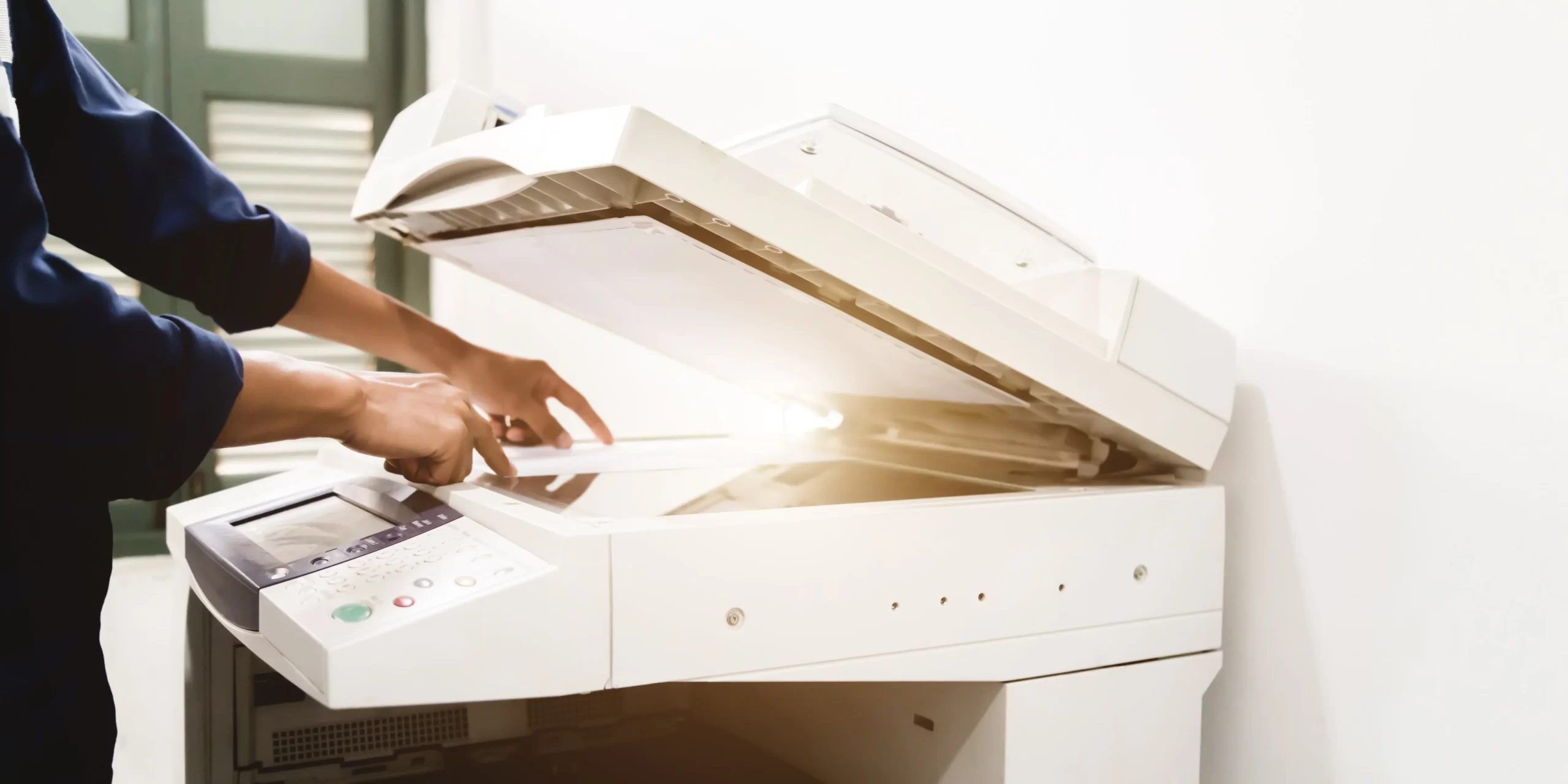
What is Sublimation Paper and How Does it Work in Heat Transfer Printing?
Before you look at the fine points, it helps to see how sublimation paper has changed heat transfer printing today. It lets you make strong, full-color designs on clothes and covered items. This happens through a chemical change that joins ink to the base forever.
The Basics of Sublimation Paper
Sublimation paper is more than a regular print sheet. It is made just for moving pictures to things like polyester cloths, pots, and metals. If you use it properly, your patterns come out clear and bright because the paper keeps sublimation ink. This ink shifts from solid to gas when you add heat and pressure, and during this change, the gas color soaks into the item’s face. It sticks deep in the threads or cover.
This way makes sublimation printing great for items that last a long time. The moved picture does not stay on the outside like in vinyl or screen work. Instead, it turns into part of the item. So prints from sublimation paper fight off fading, breaking, or coming off even after many washes or sun time.
The Process of Heat Transfer Printing with Sublimation Paper
When you print with sublimation paper, first make your picture on a computer. Then print it on the paper with a machine that has sublimation inks. After that, put the picture side down on your picked base, often polyester cloth or covered metal. Next, add steady heat and push with a heat press.
The secret is even heat. At about 180–200°C (356–392°F), the ink becomes steam and spreads into the base’s face. When it cools, it turns solid again inside the item’s build. This makes a lasting link that gives great clearness and color strength. Such a smooth mix gives sublimation its special flat look without extra feel or weight on the end item.
Why Choose Sublimation Paper for Your Printing Needs?
If you want top-level work in cloth patterns or custom goods, sublimation paper gives the exactness and speed that beat the old ways.
Advantages of Using Sublimation Paper
The big plus is getting fine prints that shine and hold up. You can make detailed patterns with even color shifts and rich darks. These stay the same in many runs. Also, since sublimation puts color into the base and not on top, there is no chance of breaks or color loss as time goes.
This way fits well for made-to-order clothes like sports gear or team outfits, because the end print stays airy and bendy. It also works for promo stuff like cups or phone covers, since it makes picture-like images.
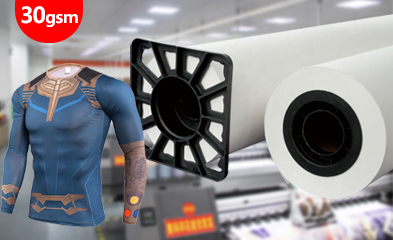
For those who need sure work supplies, look at Changfa Digital’s sublimation papers. Changfa Digital is the professional sublimation paper manufacturer and has supplied the digital printing service for 15+ years. It’s the factory for sublimation papers, from base paper to making coating and slitting and shipping to all of the world. Their better coating method makes sure of good ink take-up and move speeds over different sizes, from light 29 gsm rolls to tough 100 gsm kinds. These fit both small shops and big factory lines.
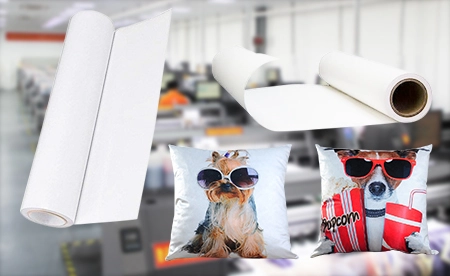
Comparing Sublimation to Other Printing Methods
When you stack sublimation against other ways like screen printing or direct-to-garment (DTG), one big difference shows up: quickness. Sublimation lets you copy full-color pictures without piling many inks or needing after-steps like drying. It cuts waste too. Only the printed spot uses ink, not like screen tools that need clean fluids and cut-outs.
Plus, since no bumpy feels or covers come in the move, end goods keep their normal touch. At the same time, they offer better strength against use and damage.
How to Select the Right Sublimation Paper?
Picking the best sublimation paper can change your print work a lot. Things like size, thickness, ink match, and base kind all shape how well it does.
Factors to Consider When Choosing Sublimation Paper
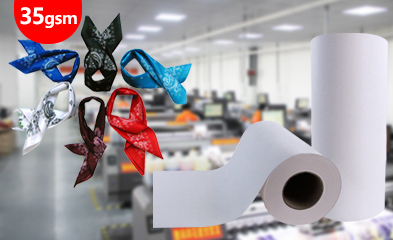
Think about how much ink your pattern needs. Thicker papers, say 70 gsm–100 gsm, deal with full-color areas better. They do not bend under heat. For easy jobs like flags or slim cloths, smaller papers around 29 gsm–40 gsm work faster. They dry quickly and keep edges sharp.
Another key is fitting your base kind. Polyester cloths often need normal-coated papers set for high move rates. Hard faces might call for special coats that boost stick during steam turns.
What Are Common Challenges in Using Sublimation Paper?
Even pros run into snags with sublimation stuff now and then. Knowing these helps stop big mistakes in making batches.
Troubleshooting Issues in Heat Transfer Printing
One usual problem is ghosting, which appears as a light copy picture after pressing. It comes from a shift between the paper and base during heat time, so you should hold it tight with heat-safe tape before pushing.
Spotty color movement can happen too if heat spread on your press side is not even. Check and set it often to keep things the same in big groups. Also, make sure your printer takes real sublimation inks that fit your machine and paper type. Wrong parts often bring flat colors or half moves.
Tips for Achieving Professional-Quality Prints
Keep room settings steady, including wet air checks, because this helps stop sheet curl before pressing, which is a usual cause of line-up slips. Always warm bases a bit first before putting on moves so left water comes out and color soaks evenly when heat hits.
Use sharp artwork at least 300 dpi, since this boosts clearness, mostly for photo prints on cloths where small bits count. Last, clean bases fully before putting them on, because dust bits can hurt color stick and show flaws after moving.
FAQs
Q: Can I use sublimation paper with any printer?
A: No. Sublimation requires printers equipped with dedicated dye-sublimation inks formulated specifically for this thermal process; standard inkjet models cannot achieve the gas-phase diffusion needed for bonding pigments into substrates effectively.
Q: What types of materials can I print on using sublimation paper?
A: You can print on polyester fabrics as well as coated ceramics, metals, and plastics designed explicitly for sublimation, ensuring optimal color retention after transfer cycles.
Q: How can I ensure my prints last longer?
A: Use premium-grade substrates coupled with precise temperature settings according to manufacturer guidelines, then wash printed textiles gently, avoiding bleach detergents, to preserve vibrancy over extended use periods.


