


HOT SALE
APPLICATION
Phone:+86-15215969856 E-Mail: 396838165@qq.com
Inkjet transfer paper holds an important spot in changing digital art into clothes you can wear. It does this with care and steadiness. You can use it for small special jobs or larger batches. Learning how to use it well brings bright prints that stay good for a long time. Seeing why it matters raises both fun in making things and speed in creating T-shirt designs.

What Makes Inkjet Transfer Paper Essential for T-Shirt Printing?
Inkjet transfer paper now serves as a main base in custom clothing work. Suppose you make a small group of shirts made just for someone. Or perhaps you start a new set of fun items. This stuff connects fresh ideas in pictures to skill with cloth. Moreover, it helps you turn digital plans into real things. You get true colors, strength, and easy handling.
How Does Inkjet Transfer Paper Work in T-Shirt Printing?
Deep down, inkjet transfer paper works as a go-between for your printed picture and the T-shirt cloth. People design it on purpose to soak up ink from inkjet printers in a good way. As a result, it grabs every shade and tiny bit from your digital work. Next, you add heat. This can come from an iron or a heat press. Then, the ink from the paper sticks to the cloth threads for keeps. It forms a bright picture that lasts. Because of this, your prints keep their clear lines and lively colors even after many cleaning times.
The real trick is in the paper’s cover method. That special cover keeps the ink right where it should be, and it also lets the ink go free when heat touches it. Therefore, colors match up well on all sorts of cloth kinds.
Why Choose Inkjet Transfer Paper Over Other Methods?
Think about other ways to print, such as screen printing or sublimation. Inkjet transfer paper gives more options than those. For example, you can create detailed shapes, color blends, and pictures like photos. All this happens without hard setups or lots of money. It helps most in making small runs, special presents, or short clothing series.
On top of that, it goes well with both pale and deep clothes. Just match it with the right kind of sheet. If you like having choices, this approach lets you test many fabrics. These include cotton, polyester mixes, and sport cloths. Thus, it fits well for artists who want solid work without big factory spending.
How Can You Achieve Optimal Results with Inkjet Transfer Paper?
Before printing begins, getting ready stands as the main step for pro-level transfers. Every part plays a role. This goes from planning the design to the last putting-on. Each helps your print look nice and hold up.
What Preparation Steps Are Crucial Before Printing?
Start by making sure your design flips like a mirror; do this if you pick light transfer paper. Then, text and drawings show right after you press. Always choose pictures with lots of detail, at least 300 dpi. That keeps things clear when they go on cloth. Also, do a trial print on plain paper. It checks the line-up and size before you use the transfer sheets.
Pay close attention to these points. It lowers throw-away and keeps things exact in making. This proves extra useful for large orders or pictures with fine parts.
What Are the Best Practices During the Printing Process?
As you print on inkjet transfer paper, stick to the printer’s suggested ways for picture output. Change the paper type choice to boost ink take-in. This leads to stronger colors and even color shifts. Once done printing, give it enough time to dry. Usually, that’s 10 to 15 minutes.
Cut neatly around your printed picture, and get rid of extra white spots. This cuts down on seen edges when it moves to the shirt. Such an easy action makes your end item look smoother.
How Does Changfa Digital Enhance Your Printing Experience?
To lift your T-shirt printing jobs higher, think about teaming with sure suppliers. They provide strong materials made for pro tasks.
What Products from Changfa Digital Should You Consider?
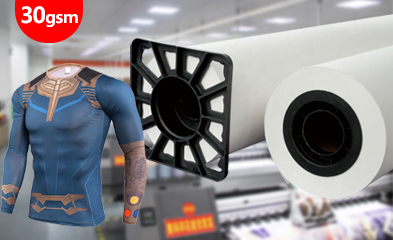
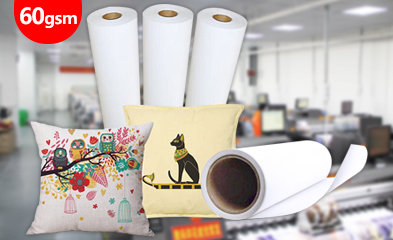
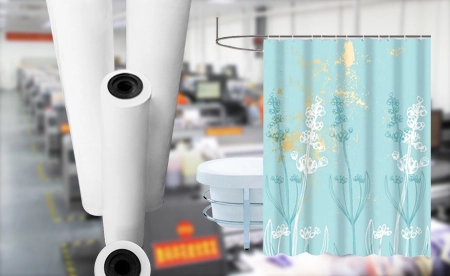
Changfa Digital is the sublimation paper manufacturer and digital printing service; it’s the factory for sublimation papers, from base paper to making coating and slitting. They bring more than 15 years of skill in digital printing ways. As a result, they give top-level fixes made for steady color making and lasting use in cloth jobs. Their items cover different thicknesses, like 29 gsm to 100 gsm sublimation papers. Each one fits varied task needs.
Suppose you seek steady supplies that bring bright prints each go. Then, look at their sublimation paper made just for pro T-shirt transfers. In fact, many users find it boosts their workflow. You can order small amounts or large rolls. Either way, the quality stays high. Their papers handle heat well, so colors pop on fabrics. Plus, they test each batch for even coating, which means fewer errors in your prints. If you run a small shop, these papers save time. For bigger teams, they cut costs over time.
Why Trust Changfa Digital for Your T-Shirt Printing Needs?
There were 4 coating lines of Changfa Digital, 4 slitting workshops, and 10 slitting machines for 2 and 3 cores of the packing rolls. Such a big build lets them keep tight watch on quality. At the same time, they fill worldwide wants fast. Their drive for new steps makes sure every roll gives a strong print hold under heat. This stands key for prints that last in clothing trim.
More than great making, they provide OEM/ODM change services. Businesses can adjust items to fit their brand wishes. Indeed, this offers a big plus for starters growing into custom good making. Their team listens to client ideas, and then they build papers that match exact specs. Over years, they built trust with many buyers. From home crafters to factory lines, all praise the steady supply.
How Do You Properly Apply Inkjet Transfer Paper to T-Shirts?
After you set your design and pick good materials, the right putting-on sets how strong your print joins cloth threads.
What Tools Are Necessary for Application?
You need a home iron or a pro heat press tool that keeps even heat levels. Place a sheet of parchment paper or a guard cloth between the heat and the transfer paper. This stops burns or glue during the press.
What Techniques Ensure a Smooth Transfer Process?
Begin by warming your shirt for a short bit; that pulls out any wetness left that might block sticking. Set your printed picture on the shirt face with attention, and use tape if it helps to hold it still. Press with a steady push over every spot. Most times, it’s near 350°F (175°C) for around 20 seconds on a heat press.
Give it time to cool before taking off the back parts. Get the wait right to stop breaks or half-done moves. In the end, you get a flat look that fits smoothly into the cloth feel.
How Do You Maintain T-Shirts Printed with Inkjet Transfer Paper?
Good care stretches both color brightness and shirt life after printing.
What Washing Instructions Preserve Print Quality?
Always flip shirts inside out before cleaning. That lowers rub from other items that could hurt top prints. Go with cold water picks and soft soaps without bleach or shine boosters. Those harm color strength as time goes on. Soft spins work better because they cut pull on the moved spots.
How Can You Extend the Lifespan of Printed T-Shirts?
Hanging to dry counts as one top way to keep cloth soft and print stretchy. When dryer use happens, choose low heat picks only. Skip ironing directly on printed areas. Rather, cover with parchment for later fixes if needed.
FAQ
Q: Can inkjet transfer paper be used on dark fabrics?
A: Yes. Specific types include an opaque layer designed especially for dark textiles so colors remain vivid regardless of background shade.
Q: Is it necessary to use a special printer for inkjet transfer paper?
A: No special printer is needed; standard inkjet printers perform excellently provided compatible inks are used alongside recommended media settings.
Q: Can I reuse inkjet transfer paper after one application?
A: No. Each sheet functions as single-use since adhesive coatings lose effectiveness once exposed to heat during initial pressing sessions.


