


HOT SALE
APPLICATION
Phone:+86-15215969856 E-Mail: 396838165@qq.com
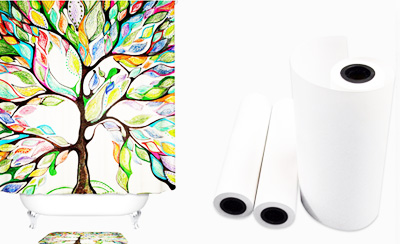
Picking the correct heat transfer paper relies on kinds of cloth, printing wasy paper thickness, and heat press levels. Light papers aid quick, large-scale work. Heavier papers bring steadiness for detailed or heavy-ink patterns. Modern coating methods prove vital for bright full-color outcomes without harming cloth softness or lasting power. Quick drying, shape hold, and ink match raise work flow speed and print steadiness. With many paper thicknesses, exact coating, and big making ability, CHANGFA DIGITAL supplies trusty, factory-level heat transfer options for varied print jobs.
What Factors Should Professionals Consider Before Selecting Heat Transfer Paper?
Project-specific variables that influence paper selection
Selecting the right full color heat transfer paper rests mainly on several job-related factors, among which types of materials are the primary. Different cloths react in special ways with transfer papers. For example, cotton and polyester show clear differences in ink take-in and hold traits. Polyester stands out as the top choice for sublimation steps because man-made makeup and heat feel make it ideal.
The picked print method also shapes choices greatly. Sublimation, inkjet, and laser moves each need paper with certain coatings and features. Sublimation papers require a special coating, which handles high dye gas heat without falling apart or spreading ink unevenly.
The wanted end look matters too. Professionals aimed for matte, shiny, or soft-touch results must pick paper with matching surface feel and coating mix. A soft-touch end requires this type of paper that keeps bendiness in the cloth after move while taking in the full ink.
How temperature and pressure requirements affect transfer quality
Every kind of heat transfer paper builds with set limits for heat and press force. Moving away from these limits can cause poor results. Issues range from color loss to partial image move. Too much heat can distort colors or damage coatings, while insufficient pressure can lead to poor image adhesion.
Factory-level heat presses need setup to match the work specs of the picked paper, which ensures steady color strength, clearness, and lasting time. Matching press power with the heat and force needs of the transfer material stays a must in big work places.
We imported one set of the most advanced coating line for sublimation paper production daily from Germany. This focus on exact making shows how key right coating mix proves for high-heat work.
Why Does Paper Weight Matter in Heat Transfer Applications?
Differences between lightweight and heavyweight sublimation papers
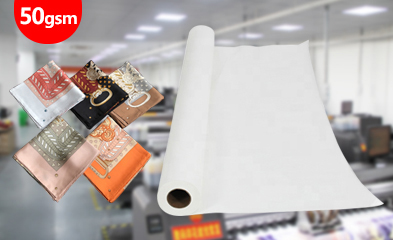
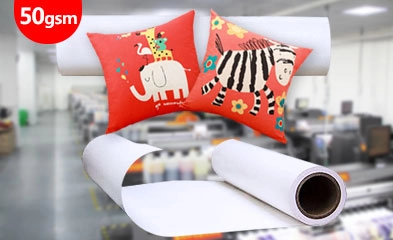
Paper thickness shapes print standards, speed, and work output straight. Light sublimation papers, like 50gsm, build for fast drying and quick ink take-in. These traits help most in high-speed making spots. There, amount and drying time count as major measures.
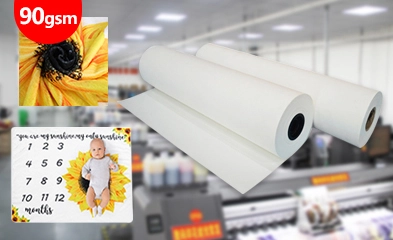
Heavier papers, such as 90gsm, give more steadiness in move. They fight wrinkling under heavy ink amounts and keep shape wholeness through the press step, which helps when handling complex patterns or high ink levels. Misplace or shadow effects can harm output standards.
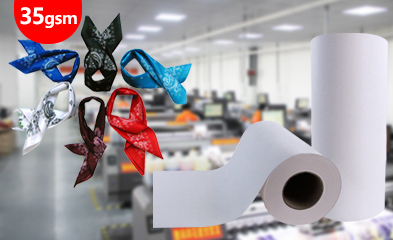
Our main prodcuts include 29gsm,35gsm,40gsm, 50gsm, 60gsm, 70gsm, 90gsm, 100gsm. This range allows experts to choose a thickness that weighs both work and cost needs. Experts base picks on making size and cloth kind.
How to match paper weight with production scale and fabric type
For large runs on light polyester cloths, like sports wear or ad clothes, 50gsm sublimation paper brings a useful balance of speed and cost. Its quick-drying traits cut wait times between print and press and also help smooth roll work.
When dealing with stretch or rough materials like interlock or bird eye fabrics, a heavier 90gsm sublimation paper stops curling and wrong place. The added firmness promises image clearness on hard bases.
Is Full Color Output Achievable Without Compromising Fabric Integrity?
How coating formulation impacts full color reproduction
Getting bright full-color heat moves needs papers with new coating methods. Top coatings promise even ink spread across the top, which proves key for smooth color shifts and strong contrasts.
Good coatings bring even ink spread for lively results while poor coated papers risk leaks or pale prints after wash times.
To guard cloth wholeness—mainly on light polyester or stretch mixes—the coating must keep softness after move. Exact-coated papers hold cloth softness while giving rich shades. This double work makes sure bright prints do not harm garment touch or bend.
Techniques to maintain durability in full color transfers
Color shine alone does not suffice if it fades after few washes. Lasting power depends on matching heat levels with well-coated paper. Too much ink or wrong heat can weaken image stick and cut life time.
Quick-dry coatings form another vital part, stopping edge blur from ink move in high-speed print runs, which is the most important when printing big images on wide presses at full power.
Experts should think about ink kind too. Wide color gamut, vivid color, including a substantial increase in the black coverage of the professional black of sublimation ink after transferring shows how matching inks raise full-color truth on special transfer paper.
How Can Professionals Optimize Workflow Efficiency Using the Right Paper?
The role of drying time in production throughput
In large-amount spots, drying time acts as a hold-up that shapes output straight. Quick-drying sublimation papers allow instant handling after printing, which cut idle time before press.
Quick-drying papers lower wait times between print and press parts. Less water hold also means fewer problems with wrinkling or twist in storage or move—a big worry in big work where rolls stack or ship worldwide.
Benefits of dimensional stability during high-volume pressing
Maintaining consistent alignment during pressing is critical to avoid costly reprints. Dimensional stability ensures the paper does not expand or contract under heat, which could misalign multicolor designs or fine-detail graphics.
Stable papers prevent misalignment on rotary or flatbed presses. By ensuring uniform expansion across batches, dimensionally stable papers contribute to reliable print output and reduce operator intervention.
This consistency is crucial when managing bulk orders where brand fidelity must be maintained across thousands of units. Dimensional consistency ensures repeatable print quality across batches.
What Makes CHANGFA DIGITAL a Reliable Partner in Heat Transfer Solutions?
Innovation-driven solutions tailored for industrial needs
CHANGFA DIGITAL are the professional sublimation paper manufacturer and supply the digital printing service for more than 15 years. It is the factory for sublimation papers, from base paper to make coating and slitting and ship to all of the world. Our full-chain making model—from base paper build to coating and cutting—promises full command over quality points at every part.
With a monthly production capacity of 3000 tons and export volume reaching 120 containers per month globally (The total production value are 3000 Tons per month. We will export 120 Containers to all of the worlds per month), CHANGFA DIGITAL holds the size needed to back factory clients without losing exactness.
Our varied item list covers super-light choices like 29gsm and stronger forms up to 100gsm (Our main prodcuts: 29gsm,35gsm,40gsm, 50gsm, 60gsm, 70gsm, 90gsm, 100gsm). All come in wide rolls up to 190cm width. Whether custom cloth runs or mass apparel making, our range brings built options for every use.
We provide OEM/ODM services, which means that you can customize it with samples, the products you need can also be customized by us, and all-day help that provide 24-hour service so that you can contact us in time if you have any questions. CHANGFA DIGITAL supplies both new ideas and trust.
FAQs
Q: What’s the main difference between 50gsm and 90gsm sublimation papers?
A: 50gsm is ideal for fast production on lightweight polyester fabrics due to quick drying; 90gsm offers better stability and is suited for thicker materials or detailed prints.
Q: Can full color transfers be achieved without damaging sensitive fabrics?
A: Yes, by selecting coated transfer papers compatible with your substrate and using correct heat settings, vibrant prints can be produced without compromising fabric softness.
Q: How can I ensure consistent results across large-scale production runs?
A: Use dimensionally stable papers that resist curling under heat; pair them with calibrated equipment to maintain alignment and image fidelity batch after batch.


