


HOT SALE
APPLICATION
Phone:+86-15215969856 E-Mail: 396838165@qq.com
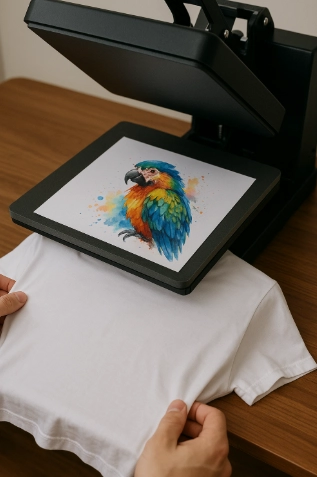 New users must choose polyester cloth only when working with sublimation ink. The dye turns into gas under heat and joins forever with man-made fibers, creating bright, strong pictures that never crack or fade. Simple steps include making the design in CMYK colors at 300 DPI or higher, printing with a suitable Epson-style printer, and pressing at 190–205 °C for 45–60 seconds. Common errors happen with wrong fabric, low heat, or bad placement. For steady, beautiful results, pick trusted ink from CHANGFA DIGITAL, clean the printer often, and use color profiles so every shirt looks the same.
What Should Beginners Know Before Starting Sublimation Printing on T-Shirts?
Why Is Sublimation Ink Different From Other Textile Inks?
Sublimation ink does not just sit on top of the cloth like normal ink does. Heat and pressure turn the solid dye straight into gas. That gas slips deep into polyester fibers and becomes part of the fabric itself when it cools. Because the picture lives inside the cloth, it never peels, cracks, or washes away easily. After many wash cycles the colors stay bright. This special joining makes sublimation perfect for sport shirts and work uniforms that see hard use every day.
What Type of Fabric Works Best With Sublimation?
Only polyester or polyester-coated material accepts sublimation dye properly. Cotton and natural fibers cannot hold the gas, so the picture disappears in the first wash. Tests show textile materials after transferring reach Sunproof Level 6 and Washproof Level 4–5. Higher polyester amount means stronger, brighter prints. Pure 100 % polyester shirts give the sharpest and longest-lasting designs.CHANGFA DIGITAL supplies ready-to-print polyester fabric, exemplified by Item No.: GZP-001. This fabric, designated as 100D Intelock, features a width of 153 cm, a weight of 155 gsm, and a composition of 100% polyester — making it an excellent substrate for achieving smooth, vibrant prints on t-shirts.
Why Is the Whole Printing Setup Important Right From the Start?
Every part of the system — printer, paper, heat press, and room air — changes the final shirt. Wrong temperature makes colors pale. Too little pressure leaves white spots. Bad paper curls and causes double images. Keeping every setting the same every time brings the same good result on shirt number one and shirt number one hundred.
How to Choose Proper Sublimation Ink for T-Shirts?
What Factors Should Be Considered When Buying Sublimation Ink?
Good ink needs the right thickness so it shoots out of the nozzles cleanly. It must dry fast enough to keep colors from smearing yet slow enough to stay wet inside the printer. Strong color power gives bright reds and deep blacks. The ink must not change color when it gets very hot during pressing. CHANGFA DIGITAL ink uses safe, green solvents with wide color gamut, vivid color, including a substantial increase in the black coverage of the professional black of sublimation ink after transferring. The same ink also shows excellent fluency, 360 dpi continuously printing 20 meters without breaking and partial holes.
How Can CHANGFA DIGITAL Help You Get Started With High-Quality Ink?
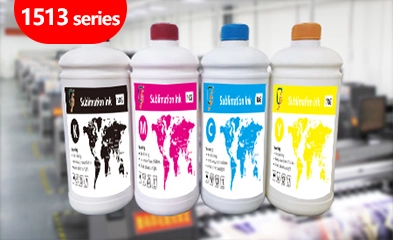
CHANGFA DIGITAL sells different ink series for every size of printing job. The 1513 Series Sublimation Ink works great on light polyester shirts and gives bright colors with almost no waste. Printers with Epson I3200 or Atexco Kyocera heads run smoothly with these bottles. The company helps new users with clear guides and fast answers so the first shirt already looks professional.
How to Prepare Artwork That Transfers Accurately Onto Fabric?
Why Does Color Mode Matter When Creating Your Design Files?
Computer screens show RGB colors, but printers use CMYK ink. Designing in RGB gives wrong, dull colors after pressing. Switching the file to CMYK early lets the colors match from screen to finished shirt. Checking the design in CMYK view stops surprise color changes.
What Resolution Is Optimal for T-Shirt Prints?
Pictures need at least 300 dots per inch so letters and small details stay clear. Lower numbers make blurry edges. Vector files stay perfect at any size, while big photo files also work when saved at high quality.
What Is the Correct Process to Press a Sublimation Transfer onto a T-Shirt?
What Temperature and Time Settings Should Be Used?
Most polyester shirts need 190–205 °C for 45–60 seconds. Too little heat leaves pale colors. Too much heat burns the cloth. Testing on scrap pieces first finds the perfect setting for each shirt type.
How to Keep the Paper in the Right Place?
Heat-proof tape on all four sides stops the paper from moving. A quick 5-second pre-press removes moisture and wrinkles so the dye goes in evenly. Waiting a few seconds after pressing before pulling the paper away stops ghost images.
How to Avoid Common Mistakes in Sublimating T-Shirts?
Why Do Prints Sometimes Appear Faded or Washed Out After Pressing?
Low heat or light pressure stops enough dye from turning into gas. Using cotton or cotton-mix shirts also causes pale results because the dye cannot stick. Always check the shirt label for high polyester content.
What Causes Ghosting or Blurred Edges Around Designs?
Paper that shifts while the press is closed creates ghosting. Removing the paper while still very hot also lets steam move the dye. Taping well and waiting ten seconds after opening the press keeps edges sharp.
How to Maintain Consistency Across Multiple T-Shirt Prints?
Why Is the Maintenance of Regular Printer Critical in the Process of Sublimation?
Dust or dried ink in the nozzles makes white lines across the print. Quick daily nozzle checks and weekly cleaning keep the ink flowing perfectly. Good ink from CHANGFA DIGITAL needs less cleaning but still needs regular care.
How Can Color Management Software Help Stabilize the Quality of Output?
Special ICC profiles match the exact ink, paper, and printer together. Once the profile is installed, the computer knows how to change screen colors into the right printed colors. This small file removes most color guessing.
Which Ink Series Offers More Flexibility for Growing Needs of Production?
When Should Be Upgraded From Entry-Level Inks to Production-Level Options?
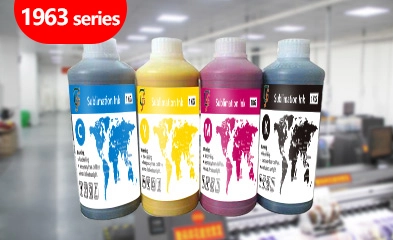
Small home printing works fine with basic bottles. When orders grow to dozens or hundreds of shirts per day, faster and steadier ink becomes necessary. The 1963 Series Sublimation Ink brings richer colors and works on many different print heads. It prints long rolls without stopping and keeps the same bright look from the first shirt to the last.
FAQs
Q: Can sublimation ink print on dark-colored t-shirts?
A: No. The dye is see-through and only shows clearly on white or very light polyester cloth.
Q: Must a special printer be used for sublimation ink?
A: Yes. Only printers with piezoelectric heads, usually Epson models, can push sublimation ink correctly.
Q: How long do the prints last when the shirt is washed often?
A: On proper polyester fabric with correct pressing, the picture becomes part of the cloth and stays bright after many washes.


