뜨거운 판매
Phone:+86-15215969856 E-Mail: 396838165@qq.com
The fashion and apparel customization industry requires color accuracy as a fundamental requirement because it has become essential for success. Direct-to-Film (DTF) printing technology serves as a revolutionary printing method which designers use to achieve exact color reproduction and intense color effects in their designs. The DTF printing process delivers exact color matches between your design preview and final fabric products regardless of production materials or run quantities.
The leading provider of advanced digital printing solutions operates under the name Changfa 디지털. Changfa Digital operates as a worldwide digital printing solution provider and has maintained its position as a leading sublimation paper manufacturer and supplier for more than 15 years. The company operates as a preferred choice for professionals who need high-fidelity textile output because they combine base paper production with coating and slitting operations and advanced printing technology.
Direct-to-Film Technology Enables Precise Color Reproduction
The main advantage of DTF printing exists in its ability to preserve complete color vibrancy when undergoing heat transfer processes. The DTF printing process involves applying inks to PET film which then gets transferred to clothing through heat and pressure application. The process minimizes the number of factors which typically cause color distortion.
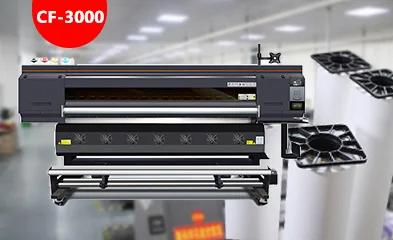
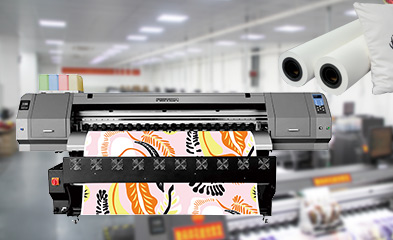
The method produces uniform color intensity which works for all fabric materials and their surface textures. The color reproduction system operates flawlessly when you use either smooth polyester or textured cotton blends. The CF-3000 printer achieves precise color reproduction through its advanced ink control system which includes large capacity cartridges and built-in moisture management features. The CF-3000 includes an intelligent nozzle cleaning system with moisturizing capabilities that enables users to perform safe and easy nozzle maintenance operations.
Ink Formulation and Transfer Layers Ensure Color Stability
The multilayer design of DTF which includes film and ink and adhesive powder and fabric maintains color stability during transfer. The adhesive powder in DTF creates a chemical bond with specialized inks which prevents these inks from bleeding or fading after application.
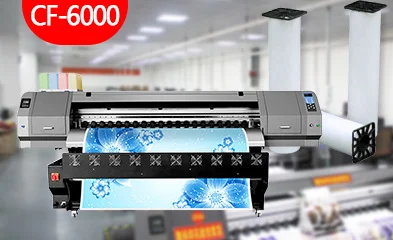
The CF-6000 requires special attention when printing high-definition designs onto performance materials such as polyester. The CF-6000 achieves better ink layering through its two-stage continuous ink supply system which enhance resolution output. The images appear more authentic while maintaining superior reproduction quality.
Controlled Heat Pressing Enhances Color Fidelity
The ability to maintain color accuracy depends on both ink and film quality as well as proper curing control. The transfer process achieves uniform tonal consistency through controlled heat and pressure application which covers extensive surface areas. The quality of prints becomes affected when temperature remains uneven because it produces both uneven color distribution and color shifts.
The CF-8000 high-speed system maintains thermal stability through its segmented heating zones. The CF-8000 system provides uniform temperature control while operating at 2-pass mode speeds of up to 120m²/h. The curing process enhances wash resistance which maintains color vibrancy throughout multiple washing operations.
Why DTF Outperforms Traditional Methods in Color Management
The current print methods fail to handle intricate color combinations and maintain consistent results between various fabric types. The DTF printing method provides better results than traditional methods because it offers high precision and flexibility.
Greater Tonal Range Compared to Screen Printing
The spot color system of screen printing prevents it from showing gradients or photographic details but DTF allows continuous-tone images without moiré patterns.
The CF-6000은 printer achieves smooth tonal transitions because of its numerous nozzles which make it suitable for artistic graphics and fashion photography print production. The nozzles operate automatically for cleaning and flash spray moisturizing to maintain continuous fine detail output.
Superior Edge Definition Over Sublimation Techniques
The sublimation process produces excellent results when applied to 100% polyester materials but it fails to achieve clear edge definition when working with materials that contain blends or textured elements. The ink distribution becomes uneven which results in soft and indistinct border lines.
The DTF method enables precise ink placement inside the adhesive layer. The CF-3000 equipment enables users to achieve precise logo and text printing with clean borders on complex substrates.
Consistency Across Production Runs Surpasses DTG Printing
The printing process of DTG depends on fabric pretreatment methods and absorption rates which results in inconsistent print quality between different batches. The DTF process uses a standardized film layer which reduces the occurrence of unpredictable results.
The CF-8000 system performs automated diagnostics and real-time monitoring to produce prints that exactly follow your original design specifications. The system monitors temperature and humidity levels and printhead status and ink levels throughout its operational period.
The Role of Substrate Compatibility in Enhancing Color Accuracy
DTF provides you with complete textile compatibility which enables you to achieve maximum design flexibility while maintaining perfect visual results.
Compatibility With Diverse Fabric Types Improves Output Precision
DTF printing works with all fabric types including cotton and poly blends and synthetic materials to produce full-color designs without requiring additional pre-coatings or inks. The DTF printing process produces excellent results on cotton fabrics and polyester materials and their blends and treated textile surfaces without any color degradation. The production process becomes more efficient through this method which enables designers to create more diverse designs.
The CF-series printers from Changfa operate with polyester materials yet they support printing on multiple fabric types which makes them essential equipment for contemporary fashion studios.
Film Transfer Process Reduces Fabric Interference With Ink Absorption
The direct-to-garment printing process enables fabric textures to affect how colors appear to the human eye. The DTF process solves this problem through its film barrier which enables ink transfer to produce flat finishes.
The printing process produces uniform results because of this technology which delivers consistent color output and smooth finish quality. The CF-series printers achieve clear printing results through their guide rails and anti-static rollers which work effectively with different weaves and surface types.
Non-Invasive Application Preserves Fabric Structure and Hue Perception
DTF maintains fabric softness and color brightness because it uses heat pressing to apply ink on the surface instead of penetrating into fibers. The heat transfer method prevents ink from penetrating deep into fibers which would cause color loss and fabric texture changes.
The CF-8000 machine achieves precise thermal control through its system which prevents scorching while producing vivid surface coloration.
How Equipment Capabilities Influence Color Accuracy in DTF Printing
The selection of hardware components determines how well your system produces output because it controls both color accuracy and image clarity.
Printhead Resolution Determines Detail Retention and Hue Precision
High-DPI printheads minimize dithering artifacts while producing smoother gradient transitions. The printer uses multiple nozzles to achieve precise CMYK color reproduction through exact droplet placement.
The CF printers from Changfa operate with industrial-grade heads which are designed for textile printing applications. The CF-6000 model features six Epson 5113 heads to deliver advanced image realism.
Ink Delivery Systems Affect Saturation Control and Balance
The process of oversaturation leads to both edge bleeding and the development of muddy tones. The balanced flow systems of printers distribute ink deposits at consistent rates to achieve uniform coverage on substrates. The dual-stage ink supply system of CF printers based on siphon technology maintains continuous printing operations during extended print tasks.
Heating Mechanisms Regulate Adhesion Without Compromising Chromatics
The process of activating adhesive powder needs exact temperature control because high temperatures damage the pigments. High-end machines feature segmented heating beds which enable users to adjust temperatures based on fabric thickness and design density.
The process of uniform curing serves two purposes because it activates adhesive powder while protecting the pigments from damage.
Workflow Optimization as a Driver of Accurate Color Output
The quality of color fidelity depends on hardware performance but software workflows that vary randomly can still produce subpar results. The solution to this problem emerges through software automation which enables seamless system integration.
Integrated RIP Software Supports ICC Profiles and Color Calibration
All advanced RIPs correctly read embedded color profiles when producing output. The ICC calibration system which all CF printers support enables users to achieve perfect screen to garment color matches.
Automation Reduces Human Error in Print Preparation
The system includes auto-alignment and material tensioning and job queuing features which minimize human errors that could impact registration or exposure quality.
The CF series provides operators with simple interfaces that lead them through every operational step.
Real-Time Monitoring Ensures Consistent Production Quality
The integrated sensor system detects potential problems before they impact print quality through alerts about ink running out and changes in environmental conditions.
The built-in diagnostic system of Changfa operates to improve system reliability when running extended production periods.
Applications That Benefit From High Color Accuracy Using DTF Printing
The exactness of color production creates brand identity and product attractiveness which affects different business markets.
Fashion Apparel Demands Vibrant, Consistent Branding Colors
The exact color reproduction of Pantone-matched logos and seasonal palette collections requires apparel to show precise hues regardless of the garment material.
The 프린터 from Changfa enable fashion businesses to achieve precise printing through their scalable design.
Sportswear Requires Durable Prints With Accurate Team Colors
Athletic gear needs to withstand washing procedures while keeping its team colors bright—particularly when it comes to challenging neon and deep black colors.
Promotional Merchandise Relies on Reproducible Visual Identity
The success of corporate branding depends on precise multicolor designs which maintain their appearance throughout different fabric materials including t-shirts and tote bags.
The production process at Changfa Digital allows for large-scale manufacturing while maintaining perfect visual quality.
Strategic Advantages of Choosing Changfa Digital for Professional DTF Needs
The success of your apparel production scale-up depends heavily on working with an experienced provider who specializes in quality control.
Comprehensive Product Line Covers All Stages of Production
The product line of Changfa includes entry-level equipment and industrial solutions which include the CF3000, CF6000 and CF8000 models for professional use. The printers operate without interrupting current business operations through smooth integration into existing systems.
Dedicated Technical Support Enhances Operational Efficiency
The About Changfa Digital platform offers online resources which include manuals and training videos to assist users throughout the entire process from installation to equipment upkeep.
Innovation Focus Drives Continuous Improvement in Print Technology
The company dedicates more than 15 years to digital printing research and development because it wants to deliver continuous product enhancements based on customer feedback. Changfa Digital Digital uses modern digital printing solutions to create positive changes throughout the world.
FAQ는
Q1: What makes DTF printing more color accurate than DTG or screen printing?
A: DTF printing uses a film-based transfer process that isolates ink from fabric texture interference, resulting in sharper edges and more consistent colors than direct-to-garment or screen printing methods.
Q2: Does DTF printing work for both cotton and polyester materials?
A: Yes. The printing method sticks to all fabric types including cotton and polyester and their blends and treated materials while maintaining their original color intensity.
Q3: Changfa Digital maintains production run consistency through what methods?
A: The printers at Changfa Digital monitor environmental conditions and equipment performance in real-time to stop quality problems from occurring during production runs.