


Penjualan Panas
Aplikasi
Phone:+86-15215969856 E-Mail: 396838165@qq.com
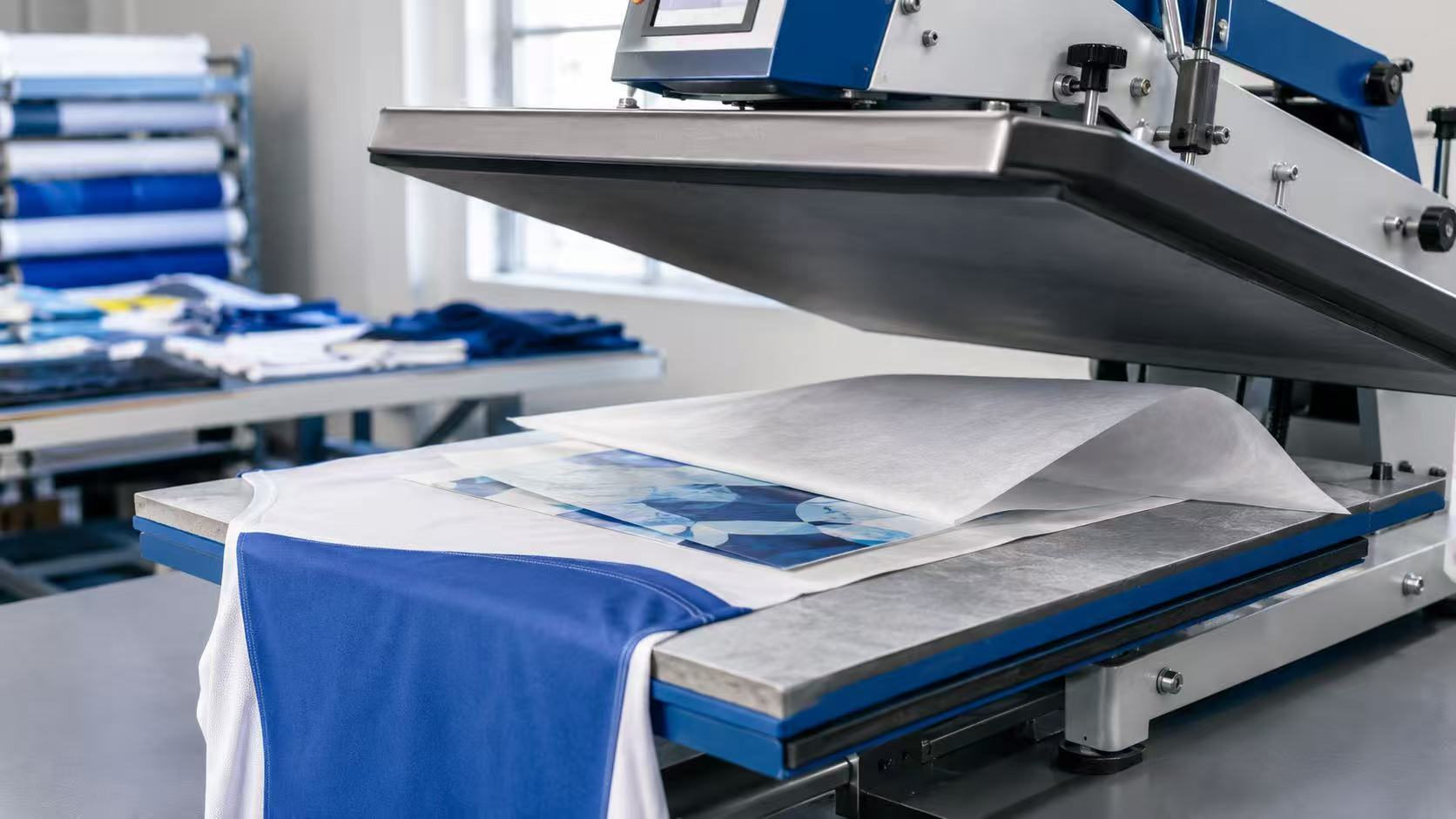
Agar proses sublimasi menghasilkan cetakan yang baik, selain menggunakan tinta, kertas transfer, dan panas yang baik, pengelolaan kelembapan berlebih dan pewarna lain perlu diperhatikan saat pengepresan. Kertas tisu pelindung berfungsi untuk memastikan tidak terjadi kontaminasi.
Apa Fungsi Kertas Tisu Pelindung Selama Perpindahan Panas?
Panas menyebabkan zat pewarna yang dicetak berubah menjadi uap sehingga memungkinkan perpindahan dari kertas transfer ke serat poliester atau lapisan yang sesuai. Selain itu, air dapat keluar dari kertas, kain, atau substrat yang dilapisi secara bersamaan.
Kertas tisu pelindung membentuk penghalang yang sangat baik antara proses transfer dan sistem mesin press panas. Kertas ini dapat diletakkan di atas kertas transfer yang telah dicetak, di bawah substrat, atau keduanya, tergantung pada proses produksi yang dibutuhkan.
Lembaran tersebut harus menutupi area transfer yang terbuka. Jika terlalu kecil, sebagian pelat cetak tetap tidak terlindungi. Jika terlipat atau kusut, kontak mungkin menjadi tidak merata. Lembaran bekas juga dapat membawa kelembapan atau residu tinta ke siklus berikutnya, sehingga harus diperlakukan sebagai barang habis pakai dan bukan sebagai aksesori mesin cetak permanen.
Pengendalian Kelembapan Mempengaruhi Kualitas Transfer
Masalah kelembapan tidak selalu menimbulkan cacat yang sama. Satu batch mungkin menunjukkan bercak kusam, tepi yang lembut, warna yang tidak merata, atau sedikit buram. Operator sering kali menyesuaikan suhu atau tekanan terlebih dahulu, bahkan ketika terdapat sisa kelembapan.
Dari Mana Kelembapan Berasal
Kertas transfer dapat menyerap kelembapan selama penyimpanan. Kain juga dapat menahan kelembapan, terutama di bengkel yang hangat atau lembap. Bahan dasar yang dilapisi dapat membawa kelembapan permukaan setelah penyimpanan atau penanganan. Setelah mesin cetak tertutup, kelembapan tersebut berubah menjadi uap dan perlu tempat untuk keluar.
Kertas tisu pelindung menyerap sebagian uap air yang dilepaskan dan membantu mengurangi pengembunan ulang pada permukaan substrat. Kertas ini tidak dapat memperbaiki bahan yang basah atau penyimpanan yang buruk, tetapi memberikan toleransi lebih pada siklus pengepresan.
Mengapa Seprai Bekas Harus Diganti
Kertas yang jenuh memiliki kapasitas lebih rendah untuk menyerap kelembapan dan mungkin mengandung pewarna dari proses transfer sebelumnya. Menggunakannya kembali untuk menghemat sedikit kertas dapat menyebabkan kerugian yang lebih besar jika kertas tersebut menodai panel yang sudah jadi.
Frekuensi penggantian tergantung pada cakupan tinta, ukuran substrat, suhu, dan kecepatan produksi. Untuk blok warna yang tebal atau pekerjaan format besar, mengganti kertas tisu setelah setiap pencetakan lebih aman. Untuk desain yang lebih ringan, lepaskan kertas tisu begitu muncul noda, kelembapan, atau kerutan.
Mengurangi Masalah Panggilan Terputus dan Pengalihan Ulang yang Tidak Diinginkan
Efek bayangan biasanya muncul sebagai duplikat samar di dekat gambar utama. Kertas transfer dapat bergeser saat mesin cetak dibuka, kain dapat mengendur, atau lapisan yang longgar dapat bergerak selama proses pelepasan.
Kertas tisu pelindung tidak mengunci setiap lapisan pada tempatnya, jadi ini bukan solusi untuk semua masalah bayangan (ghosting). Yang dapat dilakukannya adalah membatasi kontak sekunder dari uap pewarna yang menyebar dan menjaga permukaan mesin cetak di dekatnya lebih bersih. Itu menghilangkan salah satu sumber transfer ulang.
Hasil yang lebih baik diperoleh dari penyelarasan yang cermat, penggunaan selotip tahan panas yang sesuai jika diperlukan, tekanan yang stabil, dan pelepasan yang terkontrol setelah penekanan. Kertas transfer harus diangkat dengan bersih, bukan diseret di atas permukaan yang panas.
Pelat yang Lebih Bersih Mendukung Produksi yang Lebih Stabil
Kontaminasi tinta pada pelat cetak mungkin tidak langsung terlihat. Sejumlah kecil pewarna dapat tetap tidak terdeteksi hingga mesin cetak digunakan untuk kain berwarna terang. Residu lama kemudian berpindah ke hasil cetak baru, seringkali di tempat yang tidak dapat diperbaiki.
Kertas tisu pelindung menutupi area yang terbuka di sekitar karya seni dan menangkap sebagian pewarna yang tumpah. Pelat cetak yang lebih bersih berarti lebih sedikit penghentian darurat dan lebih sedikit risiko membawa noda ke pesanan berikutnya.
Mesin cetak tetap perlu diperiksa secara berkala. Kertas tisu pelindung mengurangi kontaminasi; namun tidak menghilangkan perawatan. Operator harus memeriksa kedua pelat cetak dan membersihkan serpihan kertas atau sisa perekat.
Memilih Kertas Tisu Pelindung untuk Produksi
Tidak semua kertas murah cocok untuk mesin press panas. Kertas mengkilap, berlapis, bercetak, atau yang diberi perlakuan khusus dapat melengkung, gosong, melepaskan residu, atau mengganggu pergerakan uap. Tisu rumah tangga juga terlalu lunak dan tidak stabil untuk sebagian besar pekerjaan industri.
Berat, Porositas, dan Ketahanan Panas
Kertas pelindung yang bermanfaat harus mampu menahan suhu sublimasi tanpa mengalami degradasi. Kertas tersebut harus cukup berpori untuk menerima kelembapan dan uap pewarna, namun cukup stabil untuk penempatan dan pelepasan yang cepat.
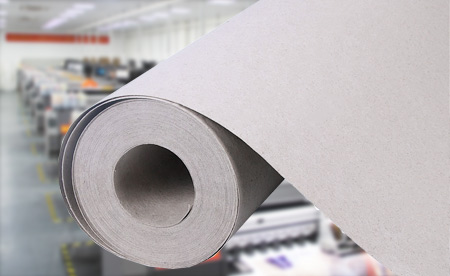
Ketebalan kertas memengaruhi penanganan. Kertas yang sangat tipis mungkin mudah kusut atau bergeser. Kertas yang lebih tebal mungkin lebih mudah dikelola, tetapi ketebalan yang tidak perlu dapat menambah biaya dan mengubah aliran udara di sekitar tumpukan.
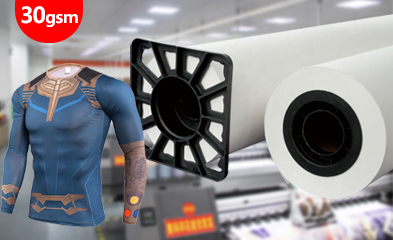
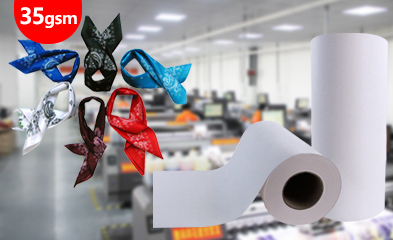
Changfa Digital menyediakan perlengkapan. Kertas tisu pelindung sublimasi 30gsm Tersedia dalam pilihan warna putih dan abu-abu. Lebar yang tersedia meliputi 160cm, 162cm, 180cm, dan 182cm, dengan panjang gulungan 1000m. Format ini cocok untuk lini transfer tekstil lebar di mana cakupan penuh dan pengumpanan kontinu sangat penting.
Sesuaikan Lebar dengan Area Kerja
Pembeli sering memesan kertas hanya berdasarkan lebar nominal mesin. Kertas tisu pelindung harus menutupi seluruh zona transfer yang terbuka, termasuk tepi di sekitar desain yang dicetak. Jika gambar mendekati batas mesin, gulungan yang sedikit lebih lebar mungkin lebih praktis daripada yang lebarnya sama persis.
Hal ini juga membantu untuk meninjau jaringan bersama dengan kertas transfer sublimasi digunakan pada jalur produksi. Berat kertas, beban tinta, perilaku pengeringan, jenis kain, dan kecepatan mesin cetak semuanya memengaruhi seberapa banyak kelembapan dan uap pewarna yang masuk ke tahap transfer.
Mengintegrasikan Kertas Tisu ke dalam Alur Kerja Harian
Material yang baik pun masih bisa berkinerja buruk jika setiap operator menggunakannya secara berbeda. Penempatan standar harus dicantumkan dalam instruksi produksi. Tim harus mengetahui sisi mana yang perlu dilindungi, berapa banyak perlindungan tepi yang dibutuhkan, dan kapan lembaran tersebut harus diganti.
Untuk produksi roll-to-roll, tegangan dan pelacakan sangat penting. Gulungan harus masuk rata tanpa menarik kertas transfer atau kain ke samping. Pada mesin press datar, ratakan tisu sebelum menutup pelat penekan.
Changfa Digital Changfa Digital menyediakan kertas sublimasi, tinta, printer, kain, dan bahan transfer terkait. Pembeli yang merencanakan lini produksi baru atau memperbaiki kerusakan berulang dapat meninjau berbagai pilihan produk yang lebih luas di Changfa Digital daripada membeli setiap bahan habis pakai tanpa memeriksa kompatibilitasnya. Dukungan OEM dan ODM juga tersedia untuk penyesuaian lebar gulungan, panjang, kemasan, atau pelabelan.
Pemilihan tinta juga perlu ditinjau. Beban tinta yang terlalu berat, pengeringan yang buruk, atau ketidakcocokan antara tinta dan kertas dapat meningkatkan migrasi tinta ke luar area yang diinginkan. Pemeriksaan pilihan tinta sublimasi Bersama dengan kondisi kertas dan transfer, hal ini membuat pemecahan masalah menjadi lebih bermanfaat.
Kesalahan Umum yang Mengurangi Manfaat
Kesalahan pertama adalah memilih kertas hanya berdasarkan harga. Jika kertas tersebut mudah gosong, kusut, atau meninggalkan serat pada pelat cetak, penghematan tersebut akan hilang. Kesalahan kedua adalah membiarkan sebagian pelat cetak terbuka.
Masalah lain adalah penggunaan berulang. Selembar kertas mungkin terlihat bersih tetapi masih menyimpan kelembapan atau pewarna yang tidak terlihat. Beberapa tim juga mengharapkan kertas tisu dapat memperbaiki pengaturan mesin cetak yang salah. Namun, kertas tisu tidak dapat mengimbangi suhu yang tidak stabil, tekanan yang tidak merata, kain yang basah, kertas transfer yang buruk, atau pergerakan selama proses bongkar muat.
Pendekatan terbaik adalah menguji kertas tisu pelindung dengan desain, cakupan tinta, substrat, dan pengaturan mesin yang sebenarnya. Catat hasilnya, lalu standarisasi pengaturan yang memberikan tepi yang bersih dan pengulangan yang stabil.
FAQ (Pertanyaan umum)
Q1. Informasi apa yang harus diberikan saat membeli kertas tisu pelindung?
A1. Sebutkan jenis mesin cetak, lebar kerja, substrat, suhu transfer, hasil produksi harian, kertas transfer yang digunakan, dan cacat umum. Sebutkan juga apakah tisu akan digunakan di atas transfer, di bawah substrat, atau di kedua sisi.
Q2. Parameter mana yang paling penting, dan apakah ada jumlah pesanan minimum (MOQ) yang tetap?
A2. Periksa berat kertas, lebar, panjang gulungan, ketahanan panas, porositas, kualitas penggulungan, ukuran inti, dan metode pengemasan. MOQ bervariasi tergantung stok standar, lebar yang disesuaikan, label pribadi, dan pengaturan pengiriman, jadi harus dikonfirmasi sesuai dengan spesifikasi yang tepat.
Q3. Apakah produk ini dapat disesuaikan, dan apakah memerlukan instalasi?
A3. Lebar, panjang, kemasan, dan pelabelan gulungan dapat disesuaikan setelah konfirmasi teknis. Mesin cetak datar tidak memerlukan instalasi formal. Peralatan roll-to-roll memerlukan pemuatan, tegangan, penyelarasan, dan pelacakan yang tepat.


