


Penjualan Panas
Aplikasi
Phone:+86-15215969856 E-Mail: 396838165@qq.com
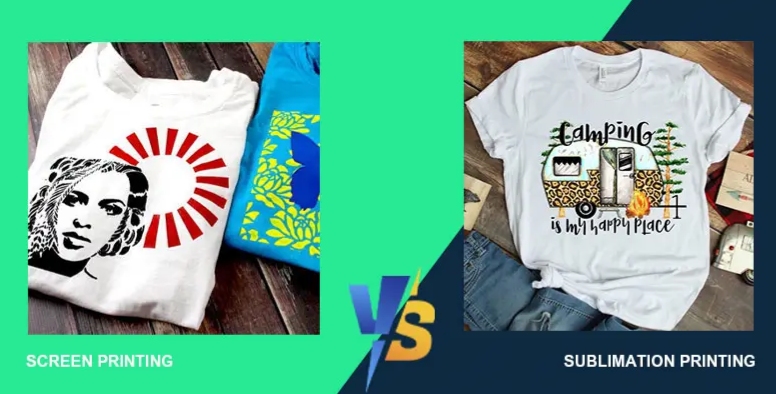 Metode percetakan jersey bervariasi dalam kualitas warna, tekstur kain, kekuatan, dan pilihan produksi. Dan produsen sering menimbang sublimasi terhadap pilihan tradisional seperti cetak layar, transfer panas, dan sulaman sebelum memilih metode. Memahami metode ini dapat membantu tim, merek pakaian dan produsen membuat pilihan terbaik saat memilih seragam tim olahraga dan seragam khusus.
Gambaran Umum Metode Percetakan Jersey
Sublimasi dan percetakan standar tetap menjadi pilihan utama dalam pembuatan jersey. Mengambil langkah-langkah dan kontras mereka membantu pembuat dalam memilih cara yang tepat untuk kualitas, biaya, dan hasil.
Memahami Teknologi Percetakan Sublimasi
Pencetakan sublimasi menggunakan metode digital di mana panas mengubah pewarna padat menjadi gas. Ini mengikatnya dengan benang poliester. Akibatnya, Anda mendapatkan pola berwarna penuh yang cerah yang bergabung ke dalam kain itu sendiri daripada beristirahat di permukaan. Metode ini menjaga cetakan ringan dan berawa, yang sangat penting untuk kebutuhan pakaian olahraga.
Manfaat utama berasal dari keterampilannya dalam menciptakan warna yang tak berakhir, pergeseran halus, dan gambar mirip foto tanpa lapisan tambahan atau massal. Kaos sublimasi tahan memudar atau membelah bahkan setelah banyak mencuci, karena tinta merendam dalam benang.
Menjelajahi Teknik Percetakan Jersey Tradisional
Cara pencetakan jersey standar mencakup pencetakan layar dan vinil transfer panas (HTV). Pencetakan layar memaksa lapisan tinta berat melalui pola ke atas kain, menghasilkan warna berani tetapi sedikit pergeseran halus. HTV berarti memotong bentuk dari potongan vinil berwarna dan menyetrikannya ke pakaian dengan panas.
Ini bekerja dengan baik pada campuran kapas atau kain gabungan. Namun, mereka datang dengan masalah: pilihan warna sempit, perasaan yang lebih tebal pada pakaian, dan kemungkinan pemisahan dari waktu ke waktu. Fit kain juga membatasi peran mereka dalam peralatan atletik poliester.
Perbedaan Utama Antara Sublimasi dan Percetakan Jersey Tradisional
Melihat sublimasi di sebelah percetakan standar menunjukkan celah biasa dalam kain, penanganan warna, kekuatan, dan kecepatan pembuatan.
Kompatibilitas Bahan dan Pilihan Kain
Sublimasi bekerja paling baik pada poliester karena pewarna ikatan ke dalam kain di bawah panas. Hal ini menjadikannya pilihan yang kuat untuk kaus olahraga, seragam tim, dan pakaian kinerja bernapas. Pencetakan layar lebih cocok untuk kapas, campuran kapas, dan kain yang lebih berat. Tintanya tetap di permukaan kain, sehingga dapat bekerja pada lebih banyak bahan, tetapi mungkin terasa lebih tebal pada kaus ringan.
Akurasi Warna dan Fleksibilitas Desain
Sublimasi memberikan kecerahan warna teratas dan penyalin perubahan halus, yang bagus untuk pola foto. Cara standar menghadapi masalah dengan gerakan bayangan kecil karena batas tumpukan warna. Changfa Digital printer menjaga kontrol warna yang stabil melalui sistem pengaturan ICC yang menyesuaikan hasil di berbagai kain.
Daya tahan dan ketahanan cuci
Pola sublimasi menjadi bagian dari serat kain, sehingga mereka kurang cenderung mengelupas, retak, atau memudar setelah mencuci berulang kali. Hal ini membuat sublimasi cocok untuk kaus yang menghadapi keringat, sinar matahari, peregangan, dan sering dibersihkan. Pencetakan tradisional tetap di permukaan kain. Seiring waktu, lapisan cetak dapat retak, mengelupas, atau kehilangan warna.
Efisiensi Produksi dan Pertimbangan Biaya
Sublimasi mengurangi waktu pengaturan, karena pola mencetak secara digital tanpa pola atau bentuk. Cocok untuk penyesuaian kelompok kecil dan tumbuh untuk output besar melalui aliran otomatis. Cara standar membutuhkan lebih banyak langkah persiapan, seperti pembuatan pola dan pemeriksaan garis, dan membuat lebih sedikit sisa.
Changfa Digital menjalankan 4 jalur pelapis untuk output kertas sublimasi dengan daya penuh 3000 ton setiap bulan. Pengaturan otomatis mereka mengurangi biaya pekerja banyak sambil meningkatkan kecepatan output untuk pengiriman di seluruh dunia lebih dari 120 kontainer setiap bulan.
Skenario Aplikasi dalam Pakaian Olahraga dan Jerseys Tim
Teknis percetakan jersey membantu pembuat pro dan produsen kain khusus yang ingin kemudahan dalam pekerjaan pola. Tim pro memilih sublimasi karena menjaga udara kain mengalir sambil memberikan grafik rumit dicampur dengan lancar ke dalam bangunan poliester ringan.
Untuk kelompok non-pro atau acara promo yang membutuhkan nama atau logo khusus, sublimasi bersinar dalam mengubah pencetakan data. Pengaturan perangkat lunaknya membantu pergeseran tata letak cepat per tugas cetak tanpa kerja tangan. Kemudahan ini memungkinkan berjalan kecil dengan biaya rendah terjadi sambil memegang tampilan yang stabil di setiap potongan yang dibuat.
Dampak Lingkungan dan Pertimbangan Keberlanjutan
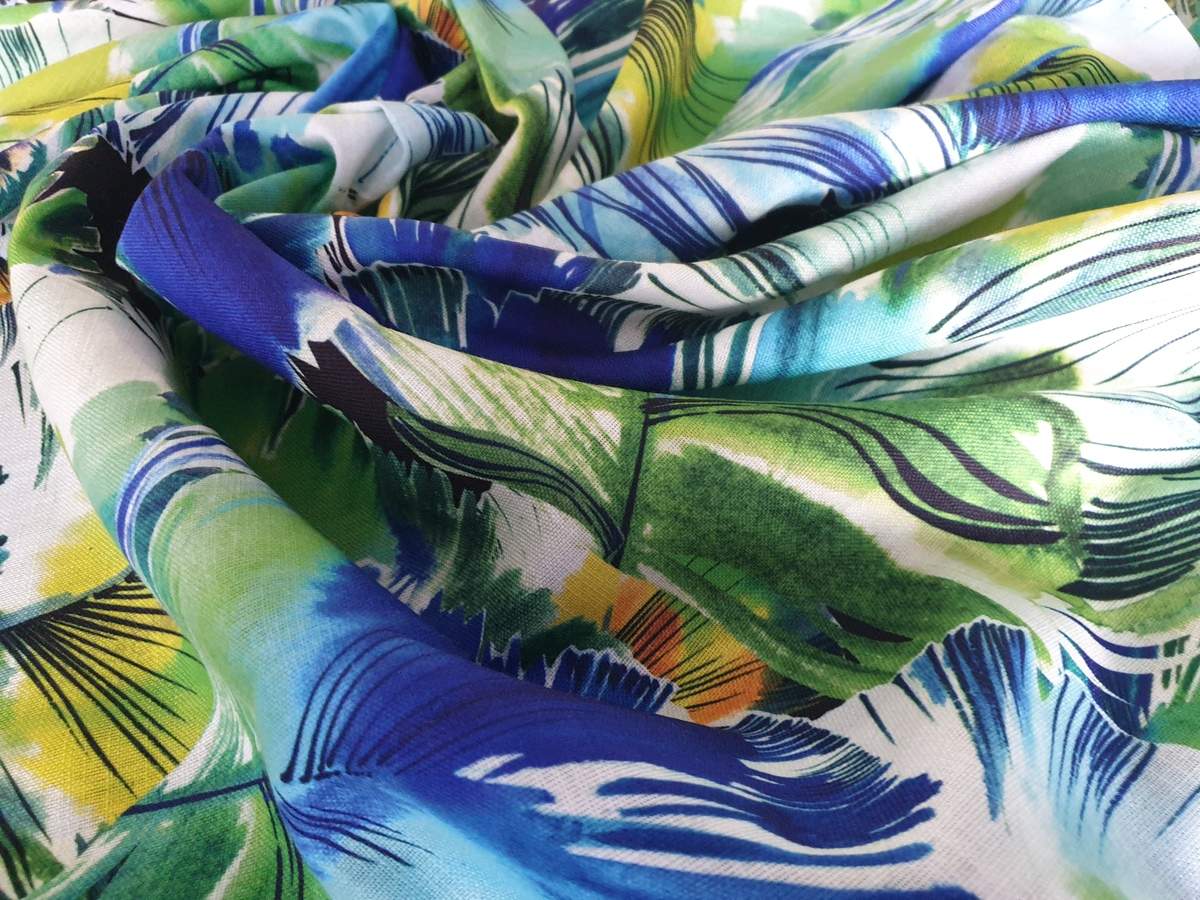
Sebagai praktek hijau tumbuh kunci dalam rencana pembuatan kain, memeriksa efek hijau antara cara ini menunjukkan tepi yang jelas untuk jalur digital seperti sublimasi.
Aspek ramah lingkungan dari percetakan sublimasi
Sublimasi melewati penggunaan air dan memotong langkah-langkah pembersihan yang terlihat dalam pencetakan layar atau merendam warna. Ini membuat sedikit sisa kimia, karena pewarna berubah menjadi gas langsung menjadi benang kain daripada membilas sebagai sisa.
Pengelolaan limbah dalam proses cetak tradisional
Pencetakan tradisional sering menciptakan lebih banyak limbah selama pengaturan dan pembersihan. Bahan kimia pembersih layar, tinta sisa, cetakan uji, dan sisa vinil dapat meningkatkan kehilangan bahan dan tekanan pembuangan. Hal ini terutama terlihat ketika memproduksi batch kecil atau sering mengubah desain. Langkah-langkah pengaturan yang lebih banyak biasanya berarti lebih banyak bahan yang tidak digunakan dan kebutuhan pembersihan yang lebih tinggi.
Memilih Metode Percetakan yang Tepat untuk Tren Pasar 2026
Memilih antara sublimasi dan percetakan jersey standar tergantung pada tujuan perusahaan yang terikat dengan ukuran, kebutuhan penjahit, jenis kain, dan tujuan hijau.
Mengevaluasi Kebutuhan Bisnis dan Tujuan Produksi
Perusahaan yang bertujuan untuk pakaian olahraga atas harus memilih sublimasi untuk sentuhan dan kekuatannya yang lebih baik pada dasar poliester seperti kain seri GZS dengan campuran spandex untuk kemudahan peregangan.
Perspektif Masa Depan Teknologi Percetakan Jersey
Pada tahun 2026, teknologi percetakan jersey diperkirakan akan terus meningkat dalam kualitas warna, ketahanan cuci, dan efisiensi produksi. Lebih baik tinta Rumus dapat memungkinkan kisaran warna yang lebih luas sambil membantu desain cetak tetap lebih jelas setelah mencuci berulang kali.
Otomatisasi juga akan memainkan peran yang lebih besar. Sistem kontrol cetak yang didukung AI dapat membantu menyesuaikan warna, penyelarasan, dan pengaturan produksi dengan lebih akurat. Seiring perkembangan kain cerdas dan sistem percetakan digital, produksi jersey dapat menjadi lebih cepat, lebih fleksibel, dan lebih cocok untuk pakaian tim dan kinerja yang disesuaikan.
FAQ (Pertanyaan umum)
Q1: Jenis kain apa yang terbaik dengan pencetakan jersey sublimasi?
A1: Sublimasi berkinerja optimal pada kain poliester karena pewarna mengikat secara molekuler dengan serat sintetis seperti yang digunakan dalam bahan seri GZP yang dirancang khusus untuk aplikasi pakaian olahraga.
Q2: Bagaimana sublimasi dibandingkan secara ekonomis dengan percetakan layar?
A2: Sublimasi biasanya membutuhkan investasi peralatan yang lebih tinggi pada awalnya, sementara pencetakan layar dapat lebih hemat biaya untuk pesanan yang sangat besar dengan desain sederhana. Namun, sublimasi memiliki permintaan pengaturan yang lebih rendah, menghasilkan lebih sedikit limbah, dan menangani pesanan jersey batch kecil atau disesuaikan dengan lebih efisien.
Q3: Di mana bisnis dapat sumber kertas sublimasi berkualitas tinggi?
A3: Anda dapat mendapatkan gulungan kelas premium langsung dari Changfa Digital - produsen profesional yang menawarkan dilapisi kertas berkisar dari 29gsm hingga 100gsm dengan lebar hingga 190cm - untuk memastikan hasil yang konsisten di setiap tahap produksi jersey di seluruh dunia.


