


Penjualan Panas
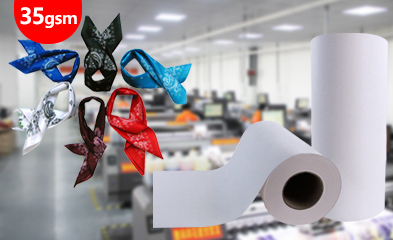
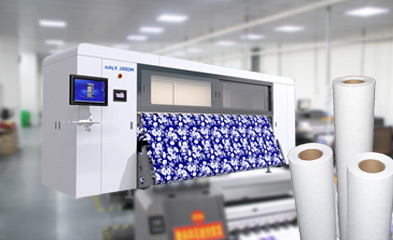
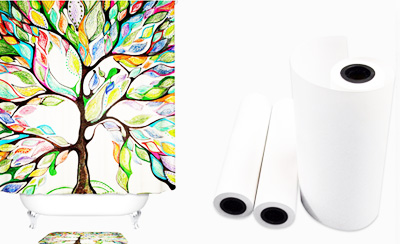
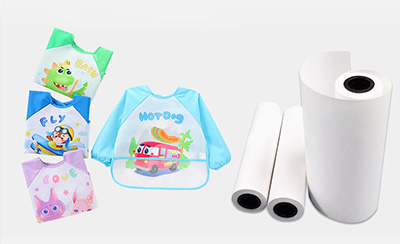
Aplikasi
Phone:+86-15215969856 E-Mail: 396838165@qq.com
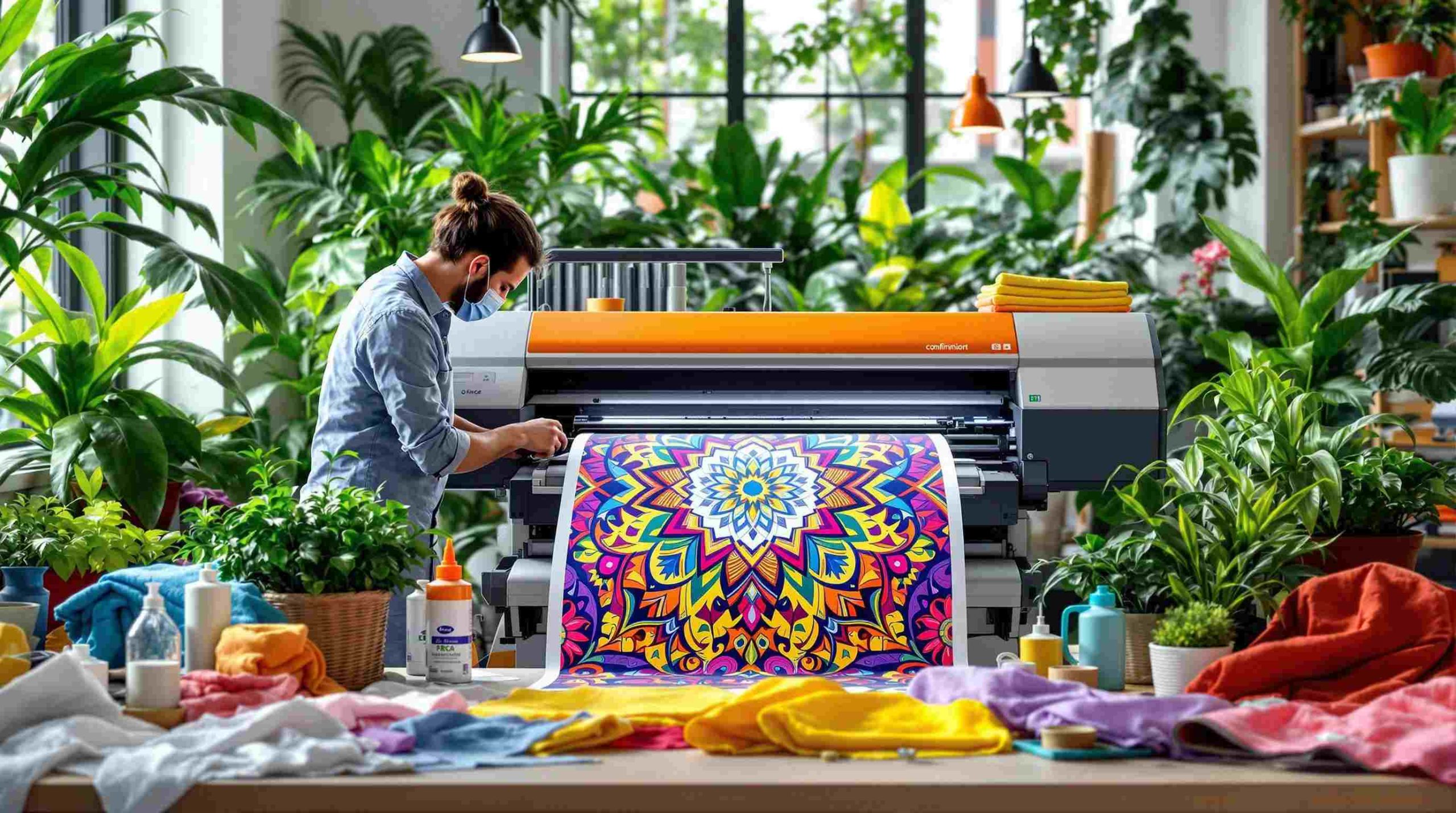
Kain sublimasi menonjol sebagai pilihan bahan utama pada tahun 2026. Kualitas cetak sekarang bergantung pada cara kerja kain seperti pada pengaturan tinta dan mesin. Kain yang baik membantu menciptakan transfer gambar yang lebih jelas, kekuatan warna yang lebih tahan lama, dan tampilan akhir yang lebih rapi untuk pakaian, barang-barang rumah tangga, dan produk promosi. Bagi orang-orang yang membeli, mencetak, atau merek, memilih bahan dasar yang tepat adalah salah satu cara termudah untuk meningkatkan hasil cetak sejak awal.
Apa Dasar-dasar Kain Sublimasi?
Pencetakan sublimasi mencampurkan ide-ide kreatif dengan fakta material dasar. Ini menggunakan panas dan tekanan untuk memindahkan pewarna langsung ke serat buatan manusia. Ini menciptakan cetakan yang bertahan lama, menunjukkan warna penuh, dan tidak mengelupas atau retak. Jenis kain sublimasi yang Anda pilih menentukan seberapa baik hasilnya. Ini mempengaruhi kecerahan warna, kejelasan gambar, dan kekuatan selama bertahun-tahun.
Poliester masih menjadi pilihan utama untuk sublimasi. Makeup dasarnya memungkinkan bit pewarna tetap selamanya ketika Anda menerapkan panas. Hal ini menyebabkan cetakan yang cerah dan keras. Changfa Digital membuat kertas sublimasi dan menawarkan layanan percetakan digital. Ini adalah pabrik untuk kertas sublimasi, mulai dari kertas dasar untuk menambahkan lapisan dan pemotongan. Pengetahuan ini juga mencakup kain sublimasi mereka, yang dibangun untuk penyerapan pewarna yang tepat dan hasil warna yang stabil. Itu menjadikan mereka pilihan utama untuk pekerjaan pembuatan tekstil besar.
Faktor Kunci Apa yang Harus Diperhatikan Saat Memilih Kain untuk Percetakan Sublimasi?
Memilih kain yang tepat berarti menemukan keseimbangan antara riasan serat, fitur tenunan, dan gaya permukaan. Setiap bagian mengubah seberapa baik pewarna masuk dan bagaimana gambar merawat pergerakan panas.
Komposisi Serat dan Kompatibilitas Pewarna
Dasar sublimasi yang baik berasal dari serat make-up. Kain dengan lebih dari 85% poliester memberikan hasil terang. Hal ini karena poliester’ sisi buatan manusia memungkinkan pewarna berubah menjadi gas dan memasuki serat di bawah panas. Campuran dengan kapas atau serat tanaman lainnya dapat menyebabkan warna yang lebih lemah atau bintik. Serat tersebut tidak dapat menahan pewarna sublimasi dengan baik. Kain sublimasi polyester tinggi Changfa Digital memastikan pewarna masuk secara merata dan warna tetap benar. Kain pakaian olahraga mereka, menggunakan 100% poliester. Mereka menawarkan peregangan dan retensi warna yang baik di bawah panas.
Tenun Kepadatan dan Permukaan Selesai
Pola tenunan menetapkan bagaimana gambar yang jelas dan rinci keluar. Permukaan yang halus dan tenunan dekat membuat gambar halus terlihat tajam. Tenunan bertekstur dapat menyebarkan cahaya dan mengurangi kejelasan. Finish berkilau meningkatkan cahaya dengan memantulkannya kembali dari permukaan. Selesai datar memberikan tampilan yang lebih lembut, yang cocok dengan desain lembut. Changfa Digital menyediakan tekstil sublimasi datar dan berkilau yang dibuat untuk berbagai penampilan. Pilihan ini memungkinkan pencipta cocok gaya visual dengan kebutuhan merek atau penggunaan produk.
Jenis Kain Sublimasi Apa yang Direkomendasikan untuk Kebutuhan Produksi 2026?
Seiring percetakan tekstil digital bergerak ke waktu yang lebih cepat dan batch khusus, pembuat membutuhkan kain yang diatur untuk kecepatan, kestabilan, dan cara hijau.
Kain Polyester ringan untuk Percetakan Pakaian
Bahan ringan bekerja dengan baik untuk pakaian mode, peralatan olahraga, dan pakaian promo. Mereka membiarkan udara melalui dengan mudah sambil menjaga ketepatan cetak, bahkan dalam menjalankan cepat. Rangkaian kain sublimasi ringan Changfa Digital dibuat untuk output cepat dan bahkan penyebaran warna.
Medium to Heavyweight Fabrics untuk Dekor Rumah dan Signage
Kain yang lebih tebal adalah kunci ketika kekuatan bentuk dihitung, seperti untuk tirai, penutup kursi, bendera, atau tampilan pertunjukan. Kain ini harus menahan tarikan tanpa kehilangan warna dalam di bawah kontak cahaya yang panjang. Kanvas poliester berat atas Changfa Digital menahan warna yang dalam, yang bagus untuk penggunaan desain interior. Pilihan mereka naik hingga 210gsm (GZS-002 Bubble), yang menjaga ukuran tetap bahkan di tempat yang lembab.
Bagaimana Kinerja Kain Bertanggap Dalam Kondisi Produksi?
Sublimasi skala besar membutuhkan bahan yang menangani banyak putaran panas tanpa menekuk. Pada saat yang sama, mereka harus menjaga garis cetak yang stabil di seluruh lembaran besar.
Tahanan Panas dan Kontrol Penyusutan
Dalam langkah transfer yang mencapai sekitar 200 ° C, stabilitas kain sangat penting. Barang-barang harus menghindari meleleh atau memutar sambil memegang ukuran yang tepat di atas banyak lembar. Tekstil sublimasi Changfa Digital ditangani sebelumnya untuk mengurangi penyusutan dalam gerakan panas. Ini menjaga lapisan kanan dalam penggunaan seperti tanda lebar atau bangunan pakaian multi-bagian, di mana akurasi kecil diperhitungkan.
Penyerapan Tinta dan Retensi Warna Seiring Waktu
Lapisan yang tepat membiarkan tinta menyebar secara merata menjadi serat tanpa bintik atau tanda bayangan. Lapisan tahan UV menambah ketahanan luar dengan menghentikan memudar dari matahari. Changfa Digital menambahkan metode pelapis baru yang menjaga kecerahan melalui banyak pencucian atau sinar matahari. Tinta berbasis pelarut hijau mereka meningkatkan umur panjang, dengan skor tahan cuci 4 hingga 5 pada pemeriksaan standar. Ini berarti cetakan tetap terang selama penggunaan yang lama.
Bagaimana Pemilihan Kain Bisa Selaras dengan Tujuan Aplikasi di Tren Pasar 2026?
Prospek pasar menunjukkan peningkatan kebutuhan untuk pakaian olahraga khusus dan tekstil hijau. Kedua bidang akan melihat peran besar dari ide kain sublimasi baru.
Kustomisasi Pakaian dan Tekstil Fungsional
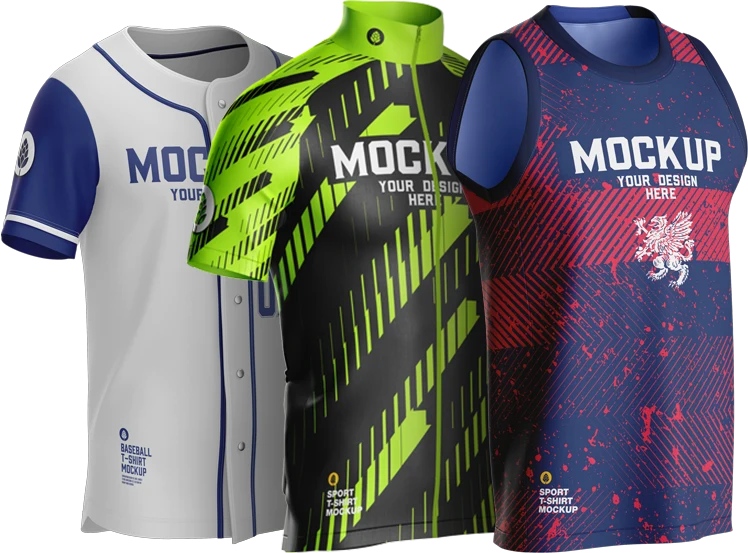
Pembeli sekarang menginginkan pakaian olahraga khusus yang mencampurkan penampilan yang baik dengan fitur kerja seperti repellensi air atau stretch back. Kain sublimasi kerja Changfa Digital mencampurkan sifat air-wick dengan kebenaran cetak teratas. Mereka menunjukkan campuran kemudahan dan pencetakan yang tepat, sempurna untuk seragam tim atau pakaian yoga.
Bahan Berkelanjutan dalam Percetakan Sublimasi
Green ways akan memimpin pilihan pembelian tekstil pada tahun 2026 karena merek menggunakan model pembuatan loop. Pembeli yang sadar lingkungan memilih basis poliester yang dapat digunakan kembali yang memotong limbah tanpa kehilangan standar gambar. Changfa Digital mendorong bahan sublimasi hijau yang sesuai dengan aturan hijau dunia untuk pembuatan 2026. Langkah-langkah pembuatan mereka berfokus pada menghemat sumber daya dengan lini pelapis baru dari Jerman. Ini dapat membuat hingga 3000 ton setiap bulan sambil mengikuti aturan keselamatan hijau.
Tips Praktis Apa yang Membantu Pembeli Memilih Pemasok Kain Sublimasi yang Dapat Dipercaya?
Sebelum pesanan besar, para ahli harus memeriksa kepercayaan pemasok dengan ulasan sampel, tes kesamaan kualitas, dan jawaban layanan cepat.
Pembeli harus meminta potongan-potongan kecil untuk memeriksa rasa, kelancaran, tingkat putih, reaksi tinta di bawah tekanan panas, dan tes kekuatan setelah pindah seperti tahanan cuci atau stabilitas UV. Persamaan di antara batch juga penting. Perubahan dalam tarikan tenunan dapat membahayakan pencocokan cetak dalam pembuatan besar.
Bekerja dengan produsen terkenal seperti Changfa Digital memberikan jalur pasokan yang pasti, bantuan teknologi, dan pertumbuhan kain baru yang cocok untuk perubahan kebutuhan pasar. Situs mereka memiliki empat lini pelapis, empat toko pemotongan, dan sepuluh mesin pemotongan untuk gulungan paket dua dan tiga inti. Dengan daya ekspor lebih dari 120 kontainer per bulan ke tempat-tempat di seluruh dunia, mereka menunjukkan ukuran dan kepercayaan adalah kunci untuk merek dunia yang membutuhkan aliran pasokan non-stop.
FAQ (Pertanyaan umum)
Q1: Mengapa poliester lebih disukai daripada campuran kapas dalam percetakan sublimasi?
A1: Struktur molekuler poliester memungkinkan pewarna untuk sublimasi langsung ke seratnya di bawah panas, menghasilkan pewarnaan permanen yang tahan memudar atau retak. Kapas tidak memiliki properti ini; Oleh karena itu, cetakan pada campuran kapas tampak lebih membosankan atau kurang tahan lama.
Q2Bagaimana saya bisa memastikan kain yang saya pilih tidak akan menyusut selama transfer panas?
A2: Pilih kain pra-dirawat khusus direkayasa untuk stabilitas dimensi di bawah suhu tinggi. Produsen seperti Changfa Digital menawarkan tekstil pra-menyusut yang diuji terhadap distorsi selama transfer multi-panel.
Q3: Apa yang membuat Changfa Digital pemasok yang dapat diandalkan untuk proyek skala besar?
A3: Perusahaan mengoperasikan empat jalur lapisan yang diimpor dari Jerman dengan output total 3000 ton per bulan dan mengekspor sekitar 120 kontainer secara global setiap bulan, memastikan kapasitas stabil yang didukung oleh tim teknis profesional yang tersedia sepanjang jam.


