


HOT SALE
APPLICATION
Phone:+86-15215969856 E-Mail: 396838165@qq.com

White polyester fabric for sublimation does not make sublimation ink chemically stronger. What it does is give the ink a neutral visual starting point. That distinction matters because standard sublimation does not print an opaque white layer underneath the artwork. The dye enters the polyester, while the original fabric color remains part of what the eye finally sees. On white polyester, the background contributes very little color of its own; on pale gray, cream, light blue, or another tinted base, the fabric begins influencing the finished image.
This is why white polyester fabric for sublimation is so useful when a buyer needs controlled brand colors, repeat orders, and predictable sample approval. White polyester sublimation is less about “brighter fabric” and more about reducing one major variable from the color equation.
Why Does the Fabric Base Color Affect Sublimation?
Sublimation dye is transparent rather than opaque, so the fabric base remains part of the visible result.
Why Is There No White Underbase in Standard Sublimation?
When the artwork contains a white area, that area is normally left unprinted.
The white the viewer sees comes from the substrate, which is why a white logo area remains white when the artwork is transferred to white polyester.
That means a white logo area remains white because the white polyester fabric is visible. Put the same file on pale blue polyester and that “white” area becomes pale blue.
This is a basic but important point for sublimation fabric color control.
The fabric is not sitting behind an opaque printed layer. It is part of the visible final result.
That makes white polyester fabric for sublimation a strong starting choice when the artwork depends on neutral whites and clean CMYK color relationships.
Why Does White Improve Sublimation Color Accuracy?
White reflects light without adding a strong competing hue.
Red dye is therefore viewed against a neutral base rather than against yellow, blue, gray, or cream fabric.
A neutral base supports brand-color matching, balanced gray scale, and more predictable repeat orders, but it does not replace profiling or heat control.
White polyester sublimation does not eliminate the need for profiles, proofing, or heat control. It removes one additional source of visible color shift.
For color-critical work, treat the base color as part of the approval process rather than a background detail.
What Happens on Off-White or Light-Colored Polyester?
Light-colored polyester can still be used successfully, but buyers should approve the final result on the actual fabric.
Why Can a Pale Base Shift Brand Colors?
Imagine a red brand color transferred onto cream polyester.
The sublimation dye is being seen together with the warm fabric base. The result may look slightly warmer than the same file transferred onto bright white polyester.
A pale blue base can influence reds, yellows, neutrals, and skin tones in a different direction.
The change may be acceptable. It may even be desirable for a fashion collection.
The point is that sublimation fabric color has changed before the printer starts.
That is why an approved white sample should not automatically be used as the visual standard for a cream or pastel bulk order.
Why Should the Actual Fabric Lot Be Used for Color Approval?
Even “white” is not always visually identical from one fabric lot to another.
Surface texture, optical appearance, knit density, and finishing can change how the same transferred color is perceived.
Changfa Digital offers multiple polyester sportswear structures, including 100D interlock, Bird Eye fabrics, and polyester-spandex combinations. GZP-001 is a 153cm, 155gsm, 100% polyester interlock, while other fabric options change the construction, GSM, width, or stretch content.
The best color proof is therefore made on the actual production fabric.
Does Fabric Structure Still Matter When Both Fabrics Are White?
Yes. White removes much of the base-color influence, but surface construction still affects the way the image is viewed.
How Can Interlock and Bird Eye Look Different?
A smooth interlock presents the image across a more continuous surface.
A Bird Eye construction has more visible texture.
Small type, fine lines, and subtle gradients may therefore look different even when both fabrics are white and both contain 100% polyester.
For polyester sublimation printing, color approval should include visual detail as well as color.
A smooth white fabric may make a logo edge appear cleaner, while a textured sports surface can produce a slightly different visual character.
The heat sublimation workflow helps place this in the broader context of polyester-based transfer rather than treating base color as the only production variable.
How Can Polyester-Spandex Change the Result?
Stretch fabrics bring another variable: movement.
When a polyester-spandex textile stretches, the surface opens and the perceived color can change slightly because the structure is being viewed differently.
For fitted sportswear, buyers should inspect the transferred sample both relaxed and under realistic stretch.
That is especially useful where sublimation color accuracy matters across large colored panels.
White polyester sublimation is still a strong starting point, but the actual fabric behavior remains part of approval.
Which Production Factors Still Affect Sublimation Color Accuracy?
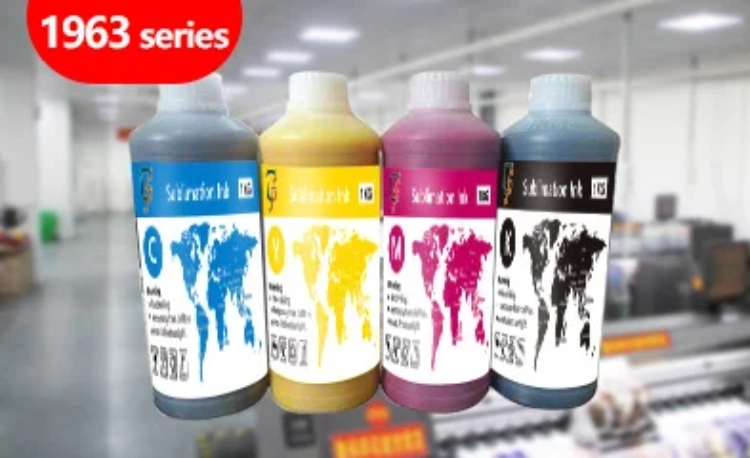
A white substrate helps, but it does not replace production control.
Why Do Ink, Paper, and Heat Still Matter?
Keep ink formulation and printer/profile settings aligned with the transfer paper and its drying behavior, then control transfer temperature, time or speed, and pressure/contact.
Changfa Digital supplies standard and high-density sublimation ink configurations for different printing systems, along with multiple transfer-paper weights.
Factories that need to coordinate ink with the rest of the color workflow can review sublimation ink options alongside the intended fabric and printer.
A heavier or lighter paper should be selected for the production condition rather than to “correct” an unsuitable fabric base color.
Why Should a Repeat Order Keep the Same Reference?
A repeat customer may care more about matching the previous shipment than matching a monitor.
For repeat orders, keep the approved fabric sample, fabric code, and fabric lot as the material reference, and preserve the ink, paper, profile, and transfer settings as the process recipe.
This gives the production team a real target when polyester sublimation printing is repeated months later.
How Should Buyers Approve White Polyester for a Color-Critical Order?
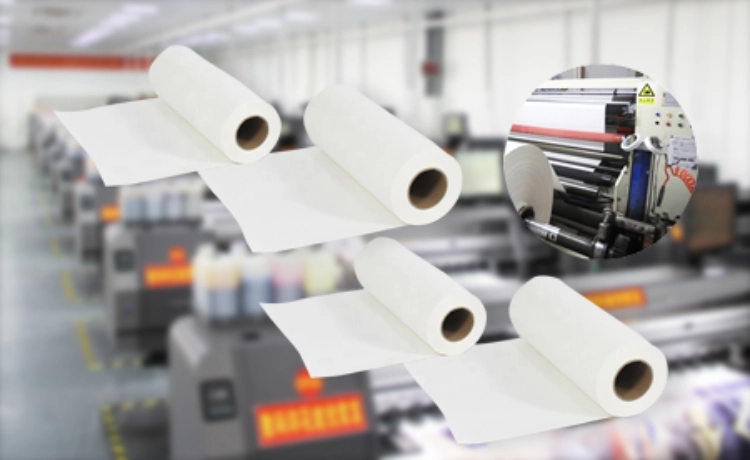
Use the actual production fabric and a standardized color test that includes CMYK solids, neutral grays, brand colors, gradients, white artwork areas, and fine text under consistent lighting.
If the order later changes from white to pale fabric, create a new color approval rather than assuming the previous proof remains valid.
Changfa Digital’s 90gsm transfer paper gives buyers one additional paper weight to evaluate where a particular printing and transfer workflow calls for a heavier roll.
For a color-critical order, share the actual fabric and artwork with Changfa Digital before bulk proofing so the base fabric, paper weight, and transfer conditions can be reviewed together.
Conclusion
White polyester gives more predictable sublimation color because the fabric adds very little competing hue to the transferred image.
Standard sublimation has no opaque white underbase. The substrate remains visible, which means sublimation fabric color is part of the final artwork.
That is why white polyester fabric for sublimation is such a useful production standard for brand colors and repeat work.
White polyester sublimation still depends on fabric structure, ink, transfer paper, profiles, and heat-transfer control. For strong sublimation color accuracy, approve the image on the actual fabric that will enter production.
That approach gives polyester sublimation printing a much more reliable reference than approving color on screen alone.
FAQs
Q1: Why is white polyester fabric for sublimation preferred for accurate color?
A1: Standard sublimation dye is transparent and does not create an opaque white underbase. White polyester provides a neutral background, so the fabric introduces less unwanted color into the finished image.
Q2: Can white polyester sublimation still produce color differences between fabrics?
A2: Yes. Different knit structures, GSM, finishes, and fabric lots can change how the same color appears. Color approval should be completed on the actual production fabric.
Q3: Does polyester sublimation printing work on light-colored polyester?
A3: Yes, but the base color becomes part of the final appearance. Pale polyester should be sampled with the real artwork when sublimation color accuracy is important.


