


HOT SALE
APPLICATION
Phone:+86-15215969856 E-Mail: 396838165@qq.com
 In addition to ink tint and print speed, the quality of color in large-format sublimation printing involves many other things. Ink should be fluent enough and stable at all times and be compatible with selected paper or fabric. Low fluency can lead to various issues such as clogging, broken lines, color distortion, and other delays.
Ink Fluency in Sublimation Printing
Ink flow refers to how smoothly and evenly the ink moves while printing is being done. Controlled ink flow allows the ink droplets to be distributed uniformly on the transfer paper, ensuring even tones and gradients. This is particularly important for sublimation printing since ink flow inconsistency can result in banding or discoloration of the polyester fabric.
The chemistry of the sublimation ink, which includes the ratio of the solvent, particle size of the pigments used, and the viscosity of the ink, determines its properties. The additives ensure that the ink does not form deposits or clog the nozzles during long printing operations. The manufacturer may modify the ink depending on the particular printers being used, e.g., Epson I3200 or Kyocera.
Why Ink Fluency Matters When Selecting Sublimation Ink in 2026
Digital textile printing technologies continue to advance, so ink fluency grows more important for steady output in automated systems.
The Connection Between Fluency and Print Quality
The lack of ink fluency results in noticeable defects, including banding or missing lines due to inconsistent ink droplets being ejected. The ability to have smooth flow helps in forming high-quality images with clear borders and vivid colors. The consistency in fluency allows one to save money by reducing the necessity for reprints owing to inconsistent color or clogged nozzles.
The Impact of Technological Advancements on Ink Performance
New printheads require inks that have balanced rheological properties. These inks must support fast jetting without overspray. Smart printers now include sensors that track flow in real time and adjust temperature or pressure automatically to keep output stable.
Sustainable formulas are also appearing on the market. They maintain strong fluency without harmful solvents and meet global environmental rules.
Methods to Test Sublimation Ink Fluency Before Bulk Purchase
Professional buyers should run both lab tests and practical checks before placing a bulk order. This step confirms that the chosen sublimation ink meets expected performance levels.
Laboratory-Based Testing Techniques
Viscosity Measurement: Viscosity testing gives clear numbers on how easily the ink flows under controlled conditions. Viscometers let users compare results against manufacturer data for printer compatibility. Steady readings show that the ink will perform reliably even when temperatures shift during normal production.
Surface Tension Analysis: Surface tension affects how droplets form during jetting and how the ink spreads on transfer paper. The correct level of surface tension produces accurate dot placement without feathering or bleeding, which points to strong ink fluency.
Practical On-Site Evaluation Methods
Test Printing Using Standard Media: Test prints using standard printing parameters are a reflection of the true print performance, like the line sharpness, smooth gradients, and drying consistency. Evaluation of the test prints would determine if the ink is reliable for longer periods.
Ink Jet Nozzles and Clogging Testing: Continuous nozzle check tests following downtime will determine the resistance of the ink to clogging, which is a crucial element of reliability. Results over many cycles will determine if the ink can be used in continuous mode.
Factors Influencing Sublimation Ink Fluency in Real Production Environments
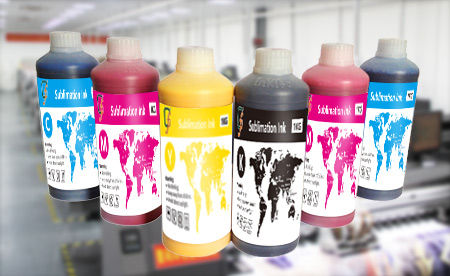
Real production settings bring many variables that influence how sublimation inks perform over time.
Environmental Conditions Affecting Ink Behavior
A change in temperature may affect the viscosity and rate of evaporation, resulting in uneven droplets. The humidity level is important since excessive moisture will cause color bleeding during the process of heat transfer while extremely dry air will accelerate drying at the nozzle end.
Printer Maintenance and System Compatibility Issues
Routine cleaning stops residue from building up and disturbing fluid movement inside the printhead. Incompatible cartridges or old firmware can alter the intended flow behavior and create poor fluency even when the base formula is good.
Evaluating Supplier Reliability Through Fluency Testing Results
Selecting a dependable supplier requires checking product consistency with actual data instead of relying only on marketing claims.
Comparing Batch Consistency Across Deliveries
Requesting samples from several batches helps spot formulation differences that could affect long-term quality. Steady results across batches show mature manufacturing processes and strong quality control systems.
Changfa Digital is the professional sublimation paper manufacturer and has supplied the digital printing service for 15+ years. Their long-standing expertise shows why established manufacturers are often better equipped to maintain batch-to-batch consistency critical for industrial-grade sublimation inks.
Using Technical Data Sheets as Verification Tools
Technical Data Sheets (TDSs) provide detailed information on viscosity range, surface tension, storage requirements, and printer recommendations. These data can be compared to the results of laboratory tests conducted internally to verify the validity of the supplier’s claims.
Strategic Considerations for Choosing Sublimation Ink in 2026 Markets
The selection process should balance cost efficiency with operational reliability while supporting sustainability goals that shape future textile production trends.
Balancing Cost Efficiency with Performance Reliability
Lower-cost inks may look attractive at first, yet they often reduce stability and raise maintenance costs from frequent nozzle cleaning. Investing in high-fluency inks lowers downtime over time by supporting uninterrupted operation even under heavy workloads.
A good example is Color CMYK 1983 Serie Low Price Sublimation Ink, designed specifically for Epson DX4, DX5, and DX7 printheads, where stable rheology supports continuous high-speed printing without interruptions.
Aligning Ink Selection with Sustainability Goals and Future Trends
Sublimation inks are now formulated with eco-friendly solvents that retain good jetting properties while lowering their ecological footprint. With more and more automation entering digital textile processes, standards will be raised in favor of products that provide consistent output with smart monitoring systems. A fluency test thus becomes an integral part of the purchasing process.
For brands seeking reliable partners offering sustainable solutions with proven technical capacity, Changfa Digital has a professional team to provide you with professional services that ensure technical support from formulation advice to after-sales assistance through Changfa Digital’s integrated service model.
FAQ
Q1: How can I verify if a supplier’s sublimation ink has stable fluency before placing a large order?
A1: Request laboratory viscosity data along with printed test samples under your actual printer settings. Reliable suppliers like Changfa Digital provide detailed technical sheets showing rheological parameters aligned with specific printheads such as Epson I3200 or Kyocera models.
Q2: What environmental factors should be controlled during production to maintain consistent ink fluency?
A2: Maintain stable room temperature (20–25°C) and moderate humidity (45–60%) levels to prevent sudden changes in viscosity or evaporation rate that could cause nozzle clogging or uneven transfers.
Q3: What should buyers check in the technical data sheet before ordering sublimation ink?
A3: Buyers should check viscosity range, surface tension, storage conditions, compatible printer models, and recommended printheads. These details help confirm whether the ink can run smoothly with the existing printer and paper setup. For bulk orders, it is also better to compare the TDS with real test prints before confirming long-term supply.


