


HOT SALE
APPLICATION
Phone:+86-15215969856 E-Mail: 396838165@qq.com
What Are the Best Methods for High-Quality Fabric Printing in 2026?
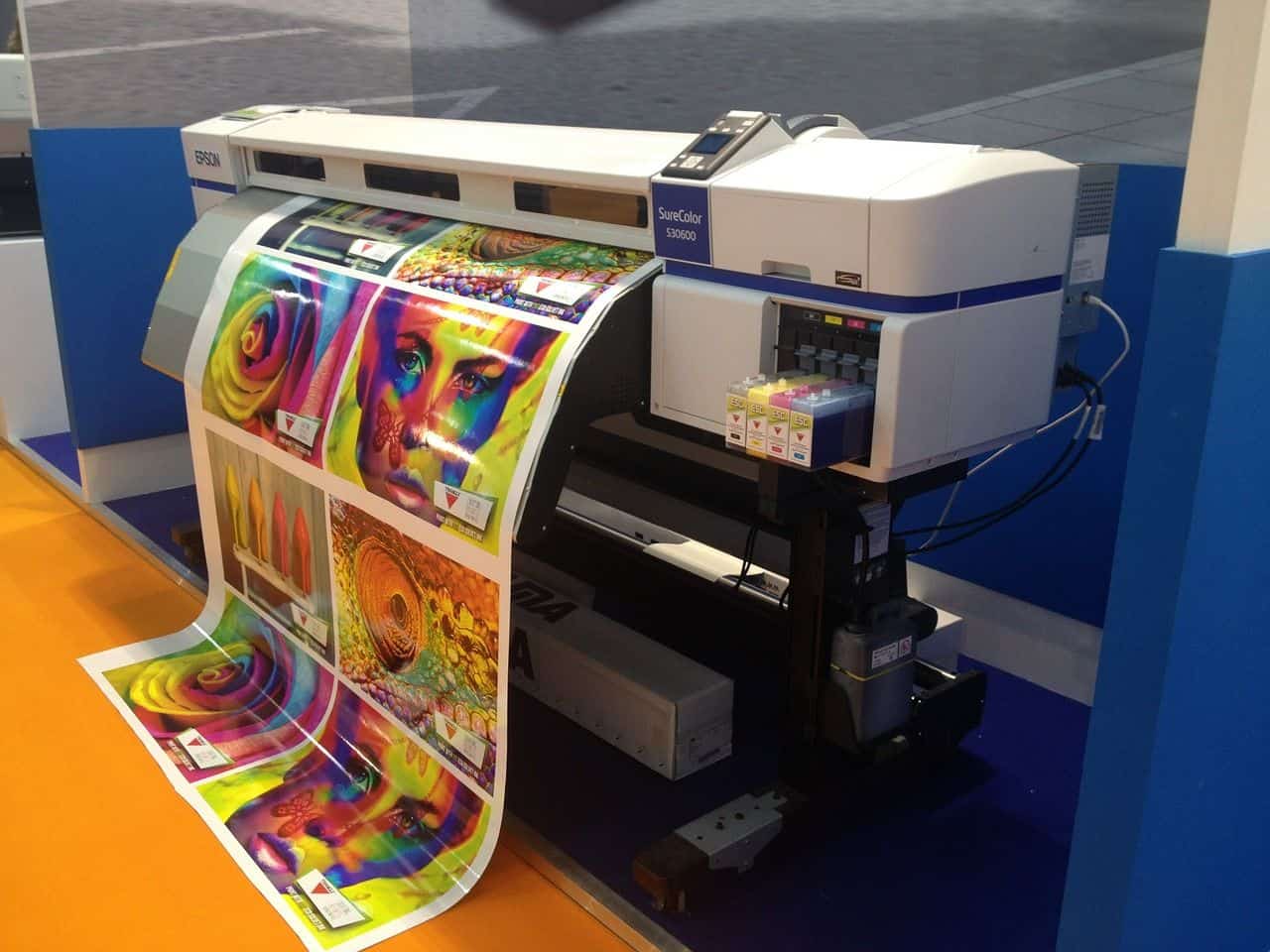
In 2026, high-quality fabric printing involves far more than simply picking a common technique. Top outcomes arise from pairing the right print method with the specific fabric, color needs, output scale, and lasting performance goals. Fresh digital tools and efficient production setups are transforming how makers get crisp details, quicker delivery, and steady print excellence.
Technological Advancements Shaping Fabric Printing
The fabric printing sector is seeing quick changes, driven by fresh ideas in digital tech and green practices. Accuracy, automatic processes, and earth-friendly ways form the main pillars of today’s textile making.
Innovations Driving Digital Textile Printing
Digital textile printing keeps growing with better sharpness and color handling tools that enable almost flawless copying of detailed designs. AI-powered print heads now tweak drop sizes on the spot, so tones blend smoothly without streaks. This accuracy gets backing from smart RIP software, which cuts ink waste yet keeps colors bright.
Automation and AI Integration Streamline Workflows
Automation stands out as a major edge in large-scale textile work. Learning systems based on machines spot print flaws right away, and they fix nozzle output or reset heat levels on their own. Tools for guessing upkeep needs also cut stoppages by spotting machine issues early, which helps makers keep steady output runs.
Eco-Friendly Printing Technologies Rising
Green practices stay at the heart of tech growth. Dry printing setups, especially in dye sublimation, lower harm to the environment much more than old dyeing ways. Adopt environmentally friendly solvents, which are safe and nontoxic. Wide color gamut and vivid color, including a substantial increase in the black coverage of the professional black of sublimation ink after transferring, show how nature-focused chemicals pair well with strong print results. Shifting to plant-based inks also aids in cutting carbon use across worldwide textile chains.
Shifts in Market Preferences and Consumer Expectations
Buyer habits are steering the path of fabric printing advances. The rising wish for custom touches, fair sourcing, and speedier shipping pushes both item creation and quick operations among makers.
Small-lot making, thanks to digital flows, lets brands react fast to style shifts without extra stock buildup. Green ways also shape buying choices; shoppers now pick clothes made from reusable stuff or low-waste steps more often. For makers, quick market entry acts as a key strength; linked digital setups shorten wait times from weeks down to days, all while keeping design options open.
Understanding Dye Sublimation Printing: The Science of Color Infusion
Dye sublimation printing has turned into a top choice for top-notch polyester cloth decoration because of its bright colors and strong build. It ranks as one of the best methods for high-quality fabric printing in 2026 since it blends color right into fibers instead of just adding pigment on the surface.
How Dye Sublimation Works on Fabric
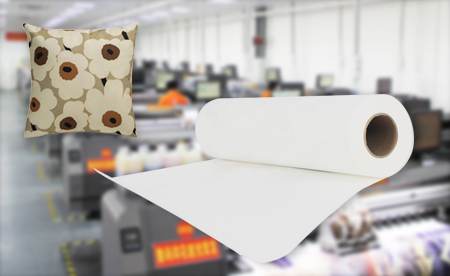
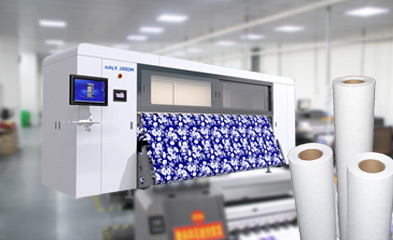
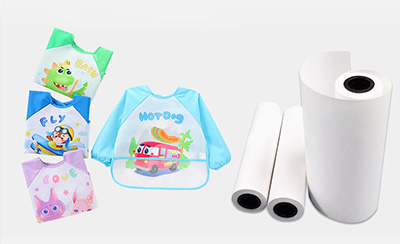
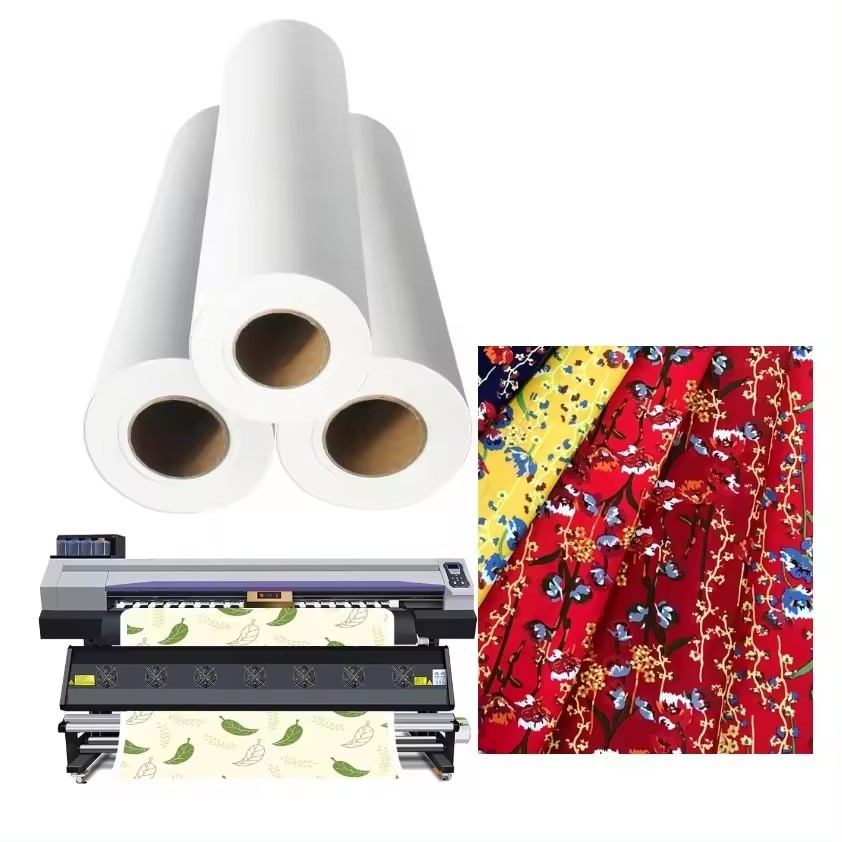
The method starts by putting special sublimation inks on coated transfer paper such as Changfa Digital’s 30 GSM sublimation paper. Then, heat and pressure turn these solid dyes into gas form, which soaks into polyester fibers before cooling to solid again, forming a lasting link inside the cloth build. Textile materials after transferring can achieve a sun protection level of 6 and a wash resistance level of 4 to 5. This setup gives great defense against color loss or breaks even after long wear or many washes.
Advantages Over Traditional Methods
Screen printing or pigment ways need extra layers, but sublimation gives smooth-tone pictures with photo-like clearness right from the printer to the machine. It skips after-work steps and keeps airflow, which suits active wear or strong fabrics. Such a mix of speed and strength is why sublimation leads in custom clothing markets around the world.
Comparing Popular Methods for High-Quality Fabric Printing in 2026
Though dye sublimation stays vital for polyester uses, other digital ways keep improving for natural fibers like cotton or linen.
Sublimation Printing
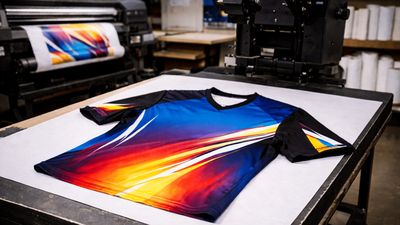
Sublimation printing uses heat to turn dye into gas, allowing the color to bond with polyester fibers or coated fabric surfaces. It is well suited for sportswear, soft signage, home textiles, and custom fabric products that need bright colors, smooth gradients, and good wash resistance.
Reactive Dye Printing
Reactive dye tech gets deeply soaked into plant-based fibers via managed steam steps that link dyes chemically to cloth molecules. Even if it takes more hands-on effort than sublimation, it creates deep shades perfect for high-end cotton goods.
Pigment Inkjet Printing
Pigment inkjet printing offers clear images, good color range, and strong fabric adaptability. It often needs less pre-treatment, making it suitable for small batches, custom designs, and mixed fabric printing.
Key Factors Influencing Print Quality Across Methods
Cloth makeup stays key in shaping print results. Man-made stuff like polyester hits best color depth in sublimation setups, while natural ones need reactive or pigment mixes for even soak levels. Prep steps like coating or smoothing boost surface evenness, which helps ink stick well in fast runs.
Color handling matters just as much. New RIP systems allow exact color matching across different bases to keep brand sameness worldwide.This helps manufacturers reduce color deviation between batches, avoid costly reprints, and deliver more consistent fabric products for global buyers.
Sustainability Considerations in Modern Fabric Printing Practices
Green ways have grown from a nice add-on to a must-have rule in textile-making networks globally. Dry sublimation techs cut water waste a lot compared to standard dye pools, yet they hold sharp colors through set heat moves.
Power saving boosts green results too: clever heat machines change temp paths based on cloth thickness to lower power use per print. Many sites now add clean energy into their work, backing wider no-carbon promises along supply lines.
Future Outlook: Integrating Smart Technologies into Fabric Printing Workflows by 2026
As Industry 4.0 ideas grow in textiles, automatic systems will go past basic control to smart choice-making backed by AI data checks.
Learning models from machines already watch drop shapes in real-time runs, spotting flaws humans miss, and starting fixes at once. Tools for upkeep ahead, stretch gear life, and cut waste from surprise halts.
Blended systems that switch between sublimation, pigment, or reactive setups will soon set new ease marks in world markets. These all-in-one printers let smooth shifts between man-made active lines and plant-cotton ranges happen without losing speed or steady quality, a change that fits buyer wants for choices and green ways well.
FAQ
Q1: What makes dye sublimation one of the best methods for high-quality fabric printing in 2026?
A1: Dye sublimation infuses color directly into polyester fibers through heat-induced gas transformation, producing vivid images resistant to fading or cracking while eliminating post-processing steps—ideal for modern fast-turnaround production lines.
Q2: How does automation enhance print consistency?
A2: Automation integrates sensors and AI algorithms that continuously analyze droplet precision and adjust parameters automatically during operation, ensuring consistent tone accuracy even under varying environmental conditions.
Q3: Where can I find professional-grade sublimation materials suitable for industrial applications?
A3: You can explore certified options like Changfa Digital’s range of coated papers and inks designed specifically for digital textile workflows; their professional team provides OEM/ODM customization services supporting both large-scale manufacturers and niche apparel designers worldwide.


