


HOT SALE
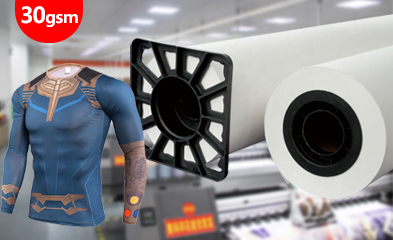
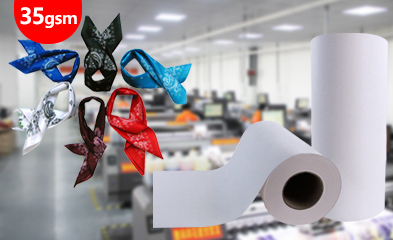
APPLICATION
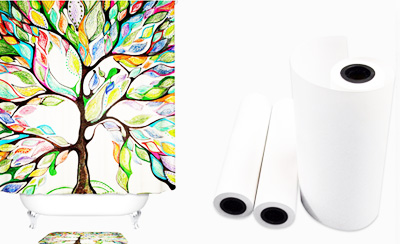
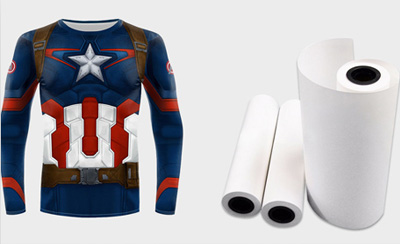
Phone:+86-15215969856 E-Mail: 396838165@qq.com

Sublimation fabric stands out as a top pick in 2026. It delivers clear color transfer, fine image details, and durable print quality. This method suits sportswear, clothing items, household textiles, and marketing goods well. In these areas, sharp colors and even surfaces count a lot. For purchasers and printers who want steady outcomes, picking the right fabric directly affects the end print standard.
What Are the Core Principles of Sublimation Printing?
Sublimation printing uses a unique method. It turns solid dye bits into gas with heat and pressure. This skips the liquid step. As a result, the dye sinks deep into polyester threads. This creates bright and enduring prints. Traditional pigment or screen printing sticks to the surface. But sublimation buries the ink inside the cloth. So, the design stays intact without cracking, peeling, or losing color over time.
The process starts when sublimation inks reach about 180–200°C. The dye turns to vapor and links with polymer bits in synthetic cloths like polyester. After cooling, the gas turns solid again. This locks the color firmly in the threads. That is why polyester materials work best for lively results.
Polyester has a structure with open gaps that widen in heat. This lets gas dyes flow in smoothly. When it cools, the gaps seal up. They trap the color under the surface. Thus, sublimation fabric gives great strength and bright shades. It fits sportswear, signs, and home decor cloths where both function and looks are key.
Why Is Sublimation Fabric Gaining Popularity in 2026?
The worldwide textile field moves toward clear digital print tools that offer accuracy and green practices. By 2026, sublimation printing leads as a main way. It makes crisp images without using water or bad chemicals.
The growing need for kind-to-earth making matches sublimation’s dry method perfectly. Old dyeing ways use huge water amounts and create waste water. Sublimation skips this by moving dry inks with heat only. Plus, new coatings on current cloths boost ink uptake and hold. Prints stay vivid after many washes or sun exposure.
Makers now add smart fabric layers to boost color strength while cutting ink use. This matters for big factory runs. Such changes help brands that want low costs and care for the planet in their work.
What Defines High-Quality Sublimation Fabrics?
Top sublimation fabrics stand out by their thread makeup and surface care. The polyester amount matters most. It sets how well dyes stick in transfer. Cloths with 85–100% polyester give better results than cotton mixes.
A smooth surface also shapes print sharpness. An evenly coated layer makes sure ink soaks in uniformly. This avoids spots or shadows in transfer. Changfa Digital has been the professional sublimation paper manufacturer and supplier of digital printing services for 15+ years; it’s the factory for sublimation papers, from base paper to making coatings and slitting and shipping to all of the world. Their special coating mixes give steady results in various GSM levels. These range from light 29gsm papers to strong 95gsm choices. They fit many uses.
How Do Color Brilliance and Wash Durability Reflect Fabric Quality?
Fabric thickness affects color depth and shade range. Thicker weaves take in more dye gas in heat transfer. This leads to deeper tones and even fades. High-end polyester cloths resist color loss or breaks well. They hold up after many wash rounds. This comes from color locked inside, not on top.
Textile materials after transferring: Sunproof Level 6; Washproof Level 4-5. This strong show of results shows how new coatings keep brightness. They also hold bendability. These traits meet needs from clothing makers around the world.
Which Technological Advancements Are Driving Sublimation Printing Excellence in 2026?
New ideas in fabric design keep improving sublimation tech. Tiny-fiber builds sharpen images by giving smoother spots for dye links. These close-woven threads allow very high-detail transfers. They work for photo-like designs on clothes or flags.
Better water control systems now speed up dry times in fast production. This helps big runs with factory printers.
We imported 1 set of the most advanced coating line for sublimation paper production daily from Germany. Such tech buys back precise materials. They match new printers with tools like Epson i3200 or Kyocera heads.
How Does Equipment Compatibility Shape Printing Outcomes?
Pairing fabric details with printer features ensures even output. The best heat is around 190°C, and pressure needs tuning to each base’s weight and layer depth. This gets a full-color move without shadows or twists.
We have a professional team to provide you with professional services; working closely with equipment manufacturers helps maintain seamless integration between fabrics, inks, and machinery—ensuring predictable performance across diverse production environments.
What Practical Benefits Do Premium Sublimation Fabrics Offer Businesses?
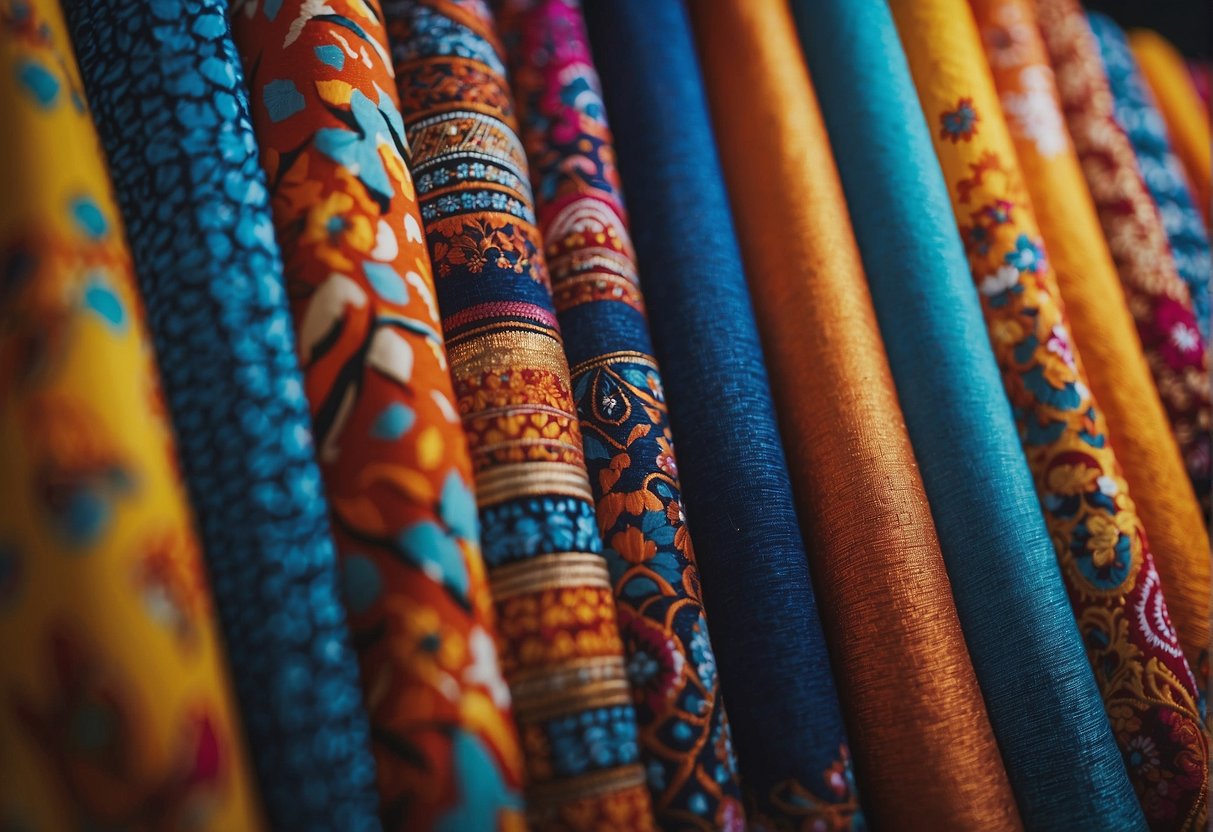
High-grade sublimation fabrics bring real gains to past looks. Their exact ink take cuts waste. Fewer re-dos happen from bad alignment or weak colors. Steady quality in big lots also steadies work flow. This counts for clothing firms with short deadlines.
We will export 120 containers to all of the world per month. This size shows how factory sellers meet world needs well. They keep even rules with new size control tools for quick lines.
Where Can Sublimation Fabrics Be Applied Most Effectively?
Apparel Industry Applications
Sportswear makers pick sublimated polyester. It mixes bright prints with air flow. This suits active clothes that wick sweat without losing design sharpness.
Home Décor and Soft Signage Uses
Curtains, pillows, flags, and show displays gain from long color hold inside or outside. UV-proof layers stop fading from the sun.
Industrial Textile Solutions
Custom-made cloths for tech needs, like promo screens or room panels, offer strength with nice looks. They do this through exact pattern copies.
How Can You Choose the Right Sublimation Fabric Partner?
Picking a skilled partner means checking key points. These include steady threads across batches, exact coating tech for even work, cert proofs for safe rules, and strong help for fixing print issues fast. Steady advice through your process, from prep setup to end tests, ensures top work no matter project size or use type.
Why Partnering With Changfa Digital Enhances Printing Outcomes
Changfa Digital has built trust as a key world leader. This comes from steady new ideas in digital textile material making. There were 4 coating lines of Changfa Digital, 4 slitting workshops, and 10 slitting machines for 2 and 3 cores of the packing rolls. Their full line covers many weight types for different printer setups. It keeps steady output backed by focused research teams. They look ahead to market shifts past 2026.
What Does the Future Hold for Sublimation Fabric Technology?
New studies aim at mixing sublimation-ready cloths with smart features. These include wire threads or tiny heat-control fibers. This opens doors in wearable tech areas set for quick growth by 2026 and beyond.
Current work on tiny-coating tech promises very sharp images once hard on cloth bases. It keeps low energy use in process steps. This pairs top work with green lead in growing world markets.
FAQs
Q1: Can natural fibers like cotton be used effectively in sublimation printing?
A1: Pure cotton misses polymer bits needed for dye links. Yet, poly-cotton mixes with special layers can handle sublimation partly. Still, they lack the brightness of pure polyester cloths.
Q2: How does GSM weight affect print outcomes?
A2: Higher GSM gives thicker surfaces for deeper color fill. But it may need changed heat in transfer. Lighter ones offer a soft touch for clothes that need to bend.
Q3: What maintenance practices ensure long-lasting sublimated products?
A3: Wash items inside out with gentle soaps at cool temps. Skip bleach or strong chemicals. Locked dyes stay firm, but too much rub can fade surface shine over time.


