


Achieving Batch-to-Batch Color Consistency with a Sublimation Paper Digital Printer
HOT SALE
APPLICATION
Phone:+86-15215969856 E-Mail: 396838165@qq.com
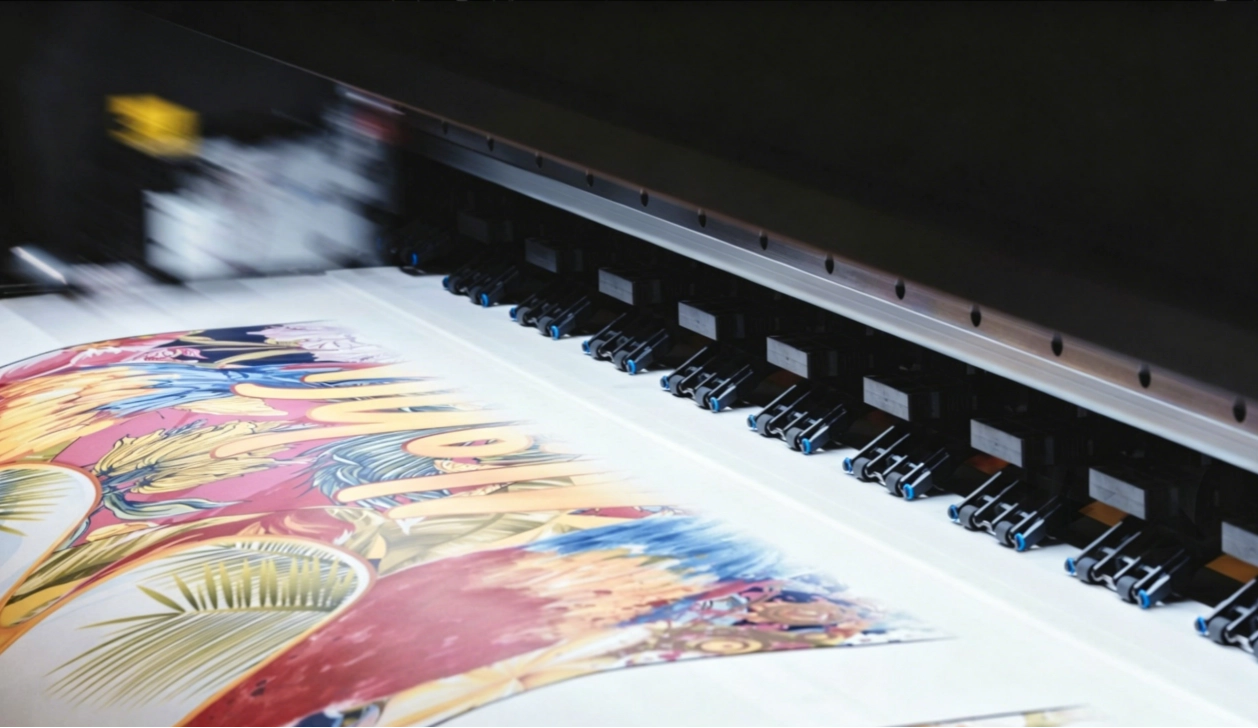
If you’ve signed a big contract with a new fast-fashion sportswear brand. You deliver the first 5,000 polyester jerseys in March, and the client is absolutely thrilled. The reds pop off the fabric, and the dark backgrounds are perfectly deep. Then, November rolls around, and they order a quick 2,000-piece restock for the holiday rush. You load up the exact same file, hit print, and press the garments. But suddenly, that vibrant corporate red looks a little dull, almost like a faded brick. The client immediately rejects the entire shipment. This specific scenario keeps commercial print shop owners awake at night. Hitting the exact same shade across different production runs separated by months is the hardest part of this business. Attaining true batch color consistency is never about getting lucky on the production floor. It takes a tight grip on your hardware, your daily environment, and your raw materials. Let us look at how successful B2B shops lock down their colors permanently.
The Heavy Price of Unpredictable Shades
When a machine fails to repeat a specific shade of blue or yellow, the damage goes far beyond a single bad shirt. It ripples through your entire business model. You waste blank polyester, burn through expensive liquids, and ultimately lose the trust of high-paying corporate clients.
Why Restocks Turn into Nightmares
Reproducing previous orders is a massive headache because the heat transfer process involves two separate stages that can both go wrong. Sublimation color matching is notoriously tricky. You are not just putting ink on paper; you are turning a solid pigment into a gas at 400°F and forcing it into a fabric thread. If your room temperature dropped by 10 degrees since the last time you printed that file, or if the heat press operator applied slightly less pressure, the final shade changes completely. A design that looked perfect in the summer might look washed out in the winter. Operators often waste hours tweaking color curves on their monitors, trying to guess how the heat press will react today. This guessing game destroys productivity and delays shipments to your buyers.
Wasted Materials and Lost Profit
Let us put some real numbers to this problem. If your factory processes 15,000 garments a month, a seemingly small 4% rejection rate due to poor color matching means you are throwing away 600 shirts. If those blank sports jerseys cost $6 each, that is $3,600 going straight into the dumpster every single month. That does not even include the wasted labor hours and the ruined transfer rolls. Factory managers have to find practical ways to reduce color shift before it quietly eats up their entire profit margin for the year. You simply cannot scale a B2B printing company if you are constantly re-printing orders to get the hues right.
Building a Stable Hardware Foundation
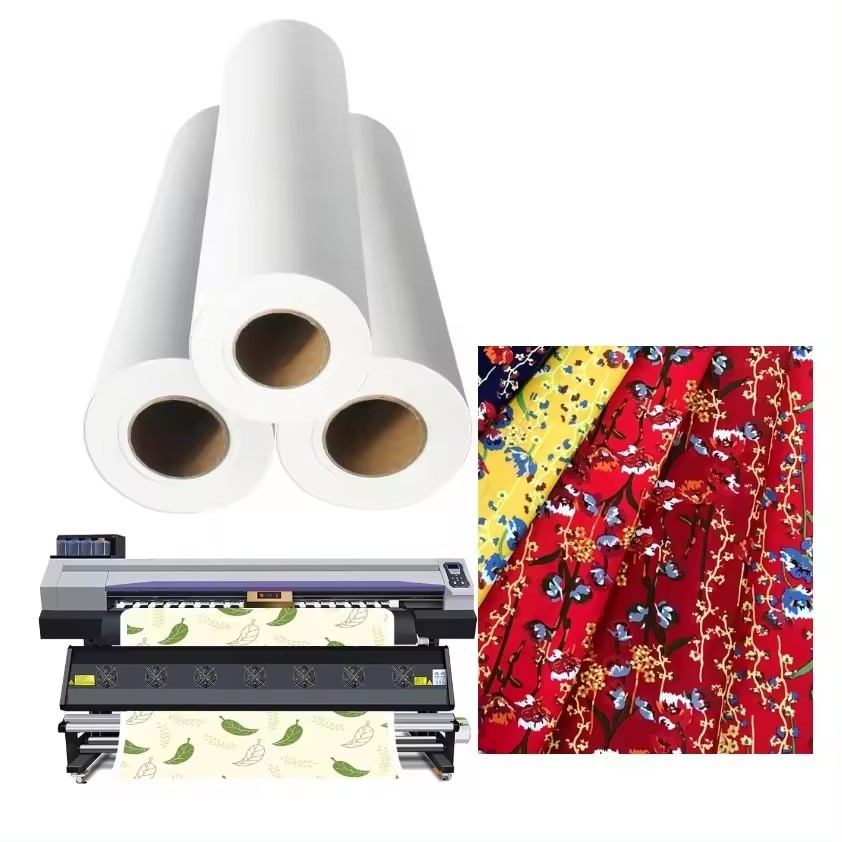
You cannot fix hardware problems by tweaking a few sliders on a computer screen. If your physical equipment shakes, vibrates, or feeds materials unevenly, your final colors will always bounce around. A heavy-duty, reliable sublimation paper printer is the absolute baseline for repeatable results.
Industrial Printheads Matter
Cheap, modified desktop machines are famous for dropping nozzles during long runs. When a tiny printhead nozzle gets clogged halfway through a 100-yard roll, the machine attempts to cover up the missing dots, which instantly changes the density of the printed color. An industrial-grade machine keeps the liquid flowing perfectly without skipping a beat. For example, commercial printers like the ones found at Changfa Digital are built specifically to maintain steady droplet sizes over a 24-hour continuous shift. When the physical dots hitting the paper are exactly the same size on Tuesday as they were on Monday, your foundation for stable colors is set.
Tension and Feeding Control
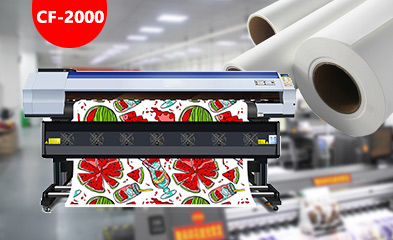
Paper moving at different speeds changes everything. If the carrier sheet slips even a millimeter while moving under the printhead, the ink pools differently, causing dark bands or light patches. High-volume B2B orders require jumbo rolls that weigh a lot. Good machines use heavy-duty tension rollers and precise motors to pull that heavy paper tight and flat. If the tension is loose, the paper warps from the wet ink, and the printheads will scrape the surface, ruining the entire graphic. You can explore how commercial frames handle big rolls without stretching the paper by checking the industrial setups available here. A solid frame prevents micro-vibrations, meaning the graphic gets printed exactly where it belongs.
Getting Your Software to Tell the Truth
Once your physical machinery is locked in and rolling smoothly, your computer needs to send the right signals. The digital design file must translate flawlessly to the physical ink dots on the paper. This is exactly where the detailed work of digital printer profiling separates the amateurs from the professionals.
Calibrating for Your Exact Environment
You cannot simply download a generic color profile from an internet forum and expect it to work flawlessly in your shop. A factory located in Florida dealing with 85% humidity will see ink dry differently than a shop in dry, dusty Arizona. Building a custom profile means using a physical spectrophotometer to read test swatches printed in your actual room, pressed on your actual fabric, and baked in your actual heat press. Doing this allows the software to compensate for your unique environment. When the software knows exactly how your specific press handles the dye, you get a consistent print color every single time you hit the start button. Skipping this step means you are always flying blind.
Locking Down the Daily Workflow
Having a perfect color profile is useless if your staff changes the rules every day. Factory floors need strict, documented procedures. If the custom profile dictates that a specific polyester fabric needs 395°F for exactly 45 seconds, the floor operator cannot decide to crank it up to 410°F for 35 seconds just to finish the shift faster. Changing the dwell time changes how much gas releases from the paper, which radically alters the final shade. Smart shop owners document the exact speed, temperature, and pressure used for every major client. When that client calls six months later for a restock, the operator just pulls out the recipe card and follows it to the letter.
The Hidden Variable in the Ink Supply
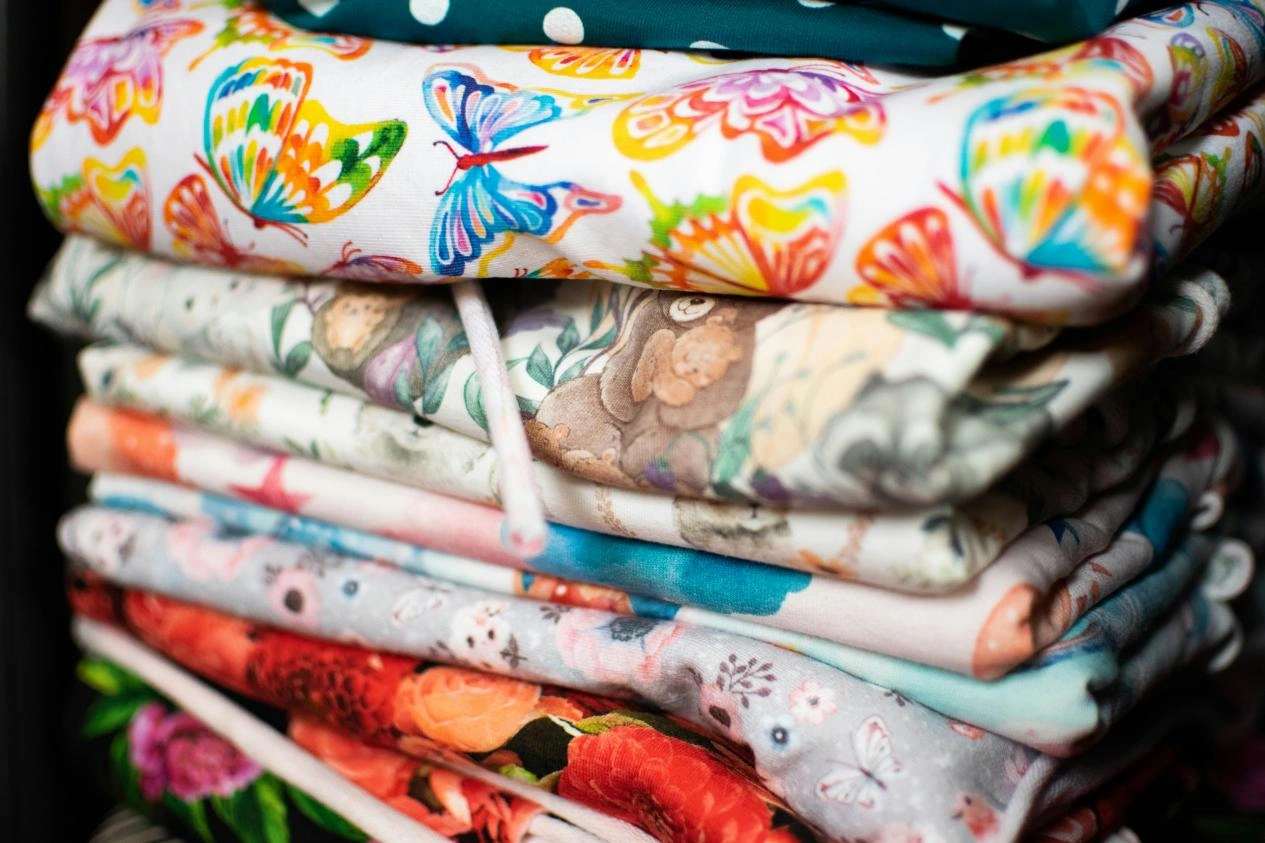
Even with a perfectly calibrated machine and a strict workflow, there is one final piece of the puzzle that often ruins big production runs. The actual chemical makeup of your liquids must remain identical from bottle to bottle.
- The Problem with Cheap Suppliers:Many bargain ink sellers do not manufacture their own products. They buy pigments from different chemical plants overseas depending on who offers the cheapest barrel that week. Batch A might be highly concentrated, while Batch B, bought three months later, is slightly watered down.
- Pigment Settling:Low-grade liquids often suffer from separation. The heavy color pigments sink to the bottom of the bottle while sitting on a warehouse shelf. If your operator pours that into the machine without noticing, the first half of the run will look weak, and the second half will look far too dark.
- Sourcing from the Source:To achieve true batch color consistency, you must buy from a manufacturer that controls its own chemistry from start to finish. You need a vendor that filters their liquids at a microscopic level so every single bag behaves the exact same way under heat.
Instead of chasing the lowest price per liter, successful shops build a relationship with a reliable manufacturer. Using high-density, stable supplies from a trusted source means your reds will stay red and your blacks will stay deep black, whether you bought the bottle in January or December. A $10 saving on raw liquids is never worth losing a $10,000 corporate account over mismatched team colors.
Conclusion
Controlling your final print results is about managing a complete mechanical and chemical system. The painful cycle of rejected orders and wasted polyester usually stems from ignoring the basic rules of the trade. By investing in heavy-duty equipment, locking down your software profiles to match your room, and sticking to a strictly controlled liquid supply, you take the guesswork completely out of the equation. You protect your profit margins and keep your demanding B2B buyers coming back. If your shop is struggling to keep shades locked in across big orders, contact the experts at Changfa Digital to upgrade your hardware and materials to a truly industrial standard.


