


HOT SALE
APPLICATION
Phone:+86-15215969856 E-Mail: 396838165@qq.com
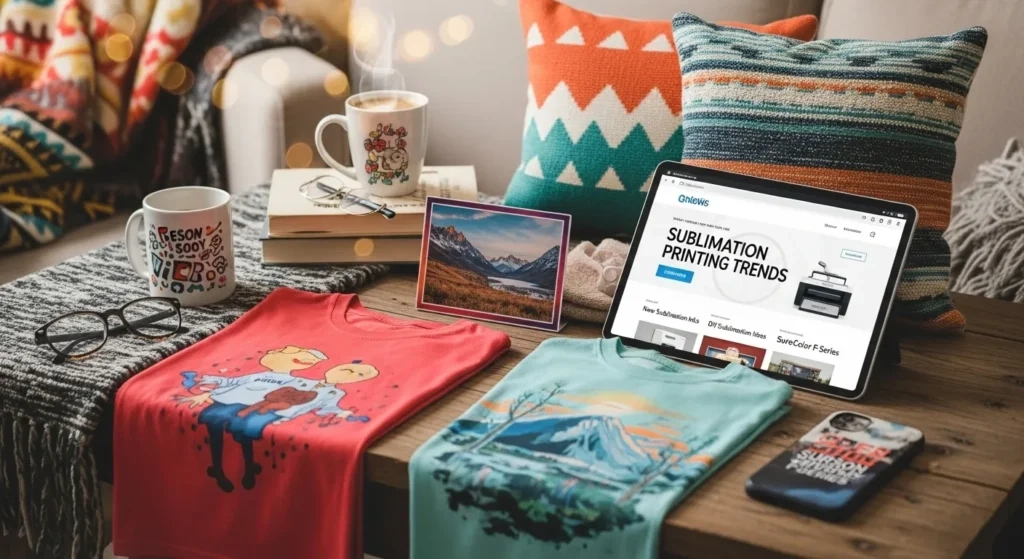 Recent sublimation news shows that over 65% of SHEIN’s products now rely on digital dye sublimation printing. This change has saved 1.13 million tons of water since 2018. It is not just a quick trend. Instead, it fits into a bigger move in the textile field. People these days like special, eco-friendly things. And behind those bright sublimation prints, there sits a digital change that is shifting how fabrics get their patterns. Old ways, with their big water needs and extra trash, are stepping aside for better methods. In this blog, we will check out the key reasons the textile business is hurrying toward dye sublimation textile printing. We will see how it improves workflow, boosts new ideas, and makes supply lines stronger. Along the path, look for tips on everything from the best sublimation inks to picking a good sublimation paper supplier. If you are a maker creating sublimation T-shirt designs or a factory owner looking at sublimation digital printers, getting this trend might help you stay ahead.
The Unsustainable Cost of Traditional Printing
Textile printing has long used methods like screen printing or rotary printing. These ways helped the business for many years, making large amounts of dye sublimation apparel. But as needs change, their weak spots show up clearly. High start-up costs and stiff steps make them less good for today’s market, where quickness and choices count a lot.
Environmental and Efficiency Pressures
Traditional printing uses up a bunch of stuff. For example, screen printing takes about 0.49 tons of water for every 100 meters of fabric, based on reports from the field. That adds up fast in big making. Dye leftovers often flow into rivers, and that hurts nature. Workflow takes a hit too. Setting up for each color can last hours, which causes stops in work. On the other hand, dye sublimation textile printing cuts water use a lot, sometimes by 90% or more, like in SHEIN’s work. Colors stick right to the threads, so less stuff runs off. For companies, this leads to smaller bills for power and water, plus fewer worries about rules for the earth. Sublimation news points out how firms using this get less push from buyers who care about the planet. Picture this: a plant with old lines might throw away 20-30% of stuff on bad prints or too much making. Dye sublimation reduces that mess. It puts inks deep inside for strong sublimation prints that stay bright after many washes. This lasting quality draws brands that sell dye sublimation apparel, since buyers want good stuff. As world clothing sales reached $576 billion in 2022, with a steady rise, the push to go green gets stronger. Companies that skip this might lag behind, especially in places like Europe with tough rules on trash.
Shifting from these old pressures, it’s worth noting how traditional methods also stumble on order sizes. Small runs, popular in custom markets, expose even more flaws in the system.
The Bottleneck of Small-Batch Orders
Big orders suit traditional printing fine, but what about a designer needing just 50 custom T-shirts? Setup costs soar—screens for each color add up to hundreds of dollars per job. Minimum orders often hit 500 pieces or more, forcing overproduction. This ties up cash in unsold stock. Dye sublimation textile printing flips this script, handling runs as small as one without extra fees. Sublimation T-shirt design becomes feasible for niche markets, like event merch or personalized gifts. Reports show the dye sublimation printing market grew to $13.88 billion in 2025, partly due to this flexibility. Traditional bottlenecks mean delays too; changing designs requires new screens, taking days. In a world where trends flip weekly, that’s a killer. Businesses end up with outdated inventory, losing money. Sublimation digital printers streamline this, printing directly from files in hours.
As a sublimation paper supplier might tell you, the right materials ensure crisp results even on small scales. This opens doors for startups, letting them test ideas without huge risks. Overall, these constraints push the industry toward digital solutions that match modern needs.
Digital Sublimation, The On-Demand Engine
With traditional methods showing cracks, digital options step in as a fresh alternative. Dye sublimation textile printing acts like an engine for on-demand production, powering quick turns and bold ideas. It’s not just faster—it’s smarter, aligning with how consumers shop today.
From Design to Product in Record Time
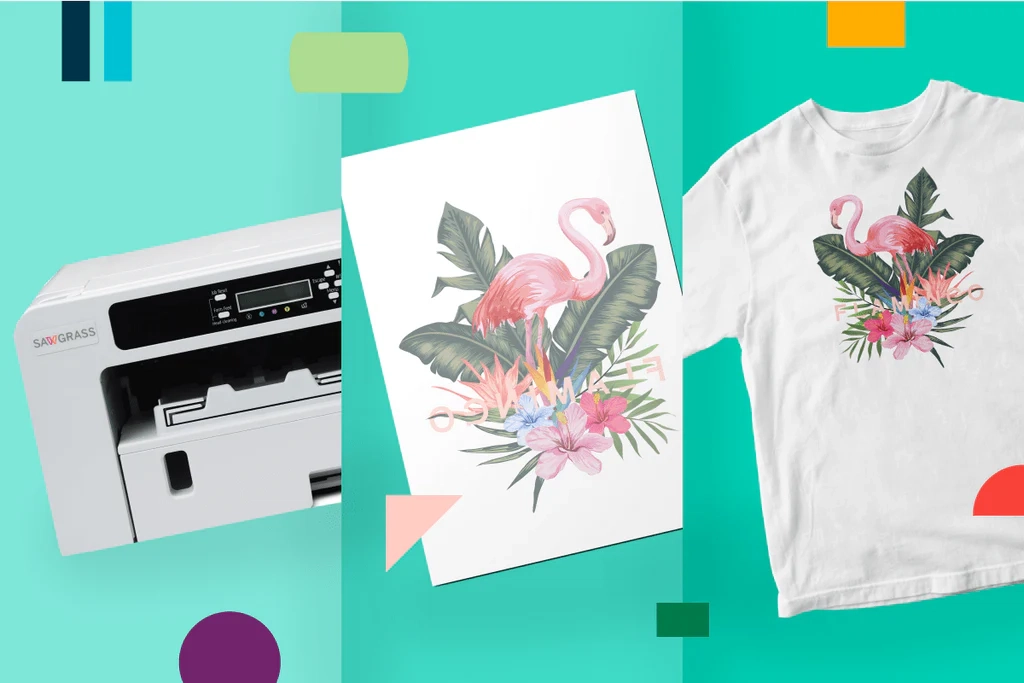
Speed defines digital sublimation. A design file uploads to a sublimation digital printer, and within minutes, heat transfers ink to fabric. No screens, no long waits. Production times drop from days to hours. This matters for dye sublimation apparel, where seasonal lines need rapid rollout. Traditional setups lag, with color matching alone eating time. Here, digital precision ensures consistent sublimation prints every run.
Sublimation news from 2025 points to market growth at 9.4% CAGR through 2029, fueled by this efficiency. Businesses save on labor too—fewer steps mean less staff oversight. The best sublimation inks also play a key role, flowing smoothly for vibrant results without clogs. This on-demand model cuts overhead, letting firms respond to e-commerce spikes. As online sales boom, this edge keeps inventories lean and profits up. Building on this rapid pace, digital sublimation also frees up creativity. Without the old constraints, designers push boundaries in ways that were once impossible.
Unlocking Creativity Without Minimums
Gone are the days of bulk-only orders. Digital dye sublimation lets creators experiment freely, crafting unique sublimation T-shirt designs on the fly. No minimums mean testing wild patterns or limited editions without financial hits. This sparks innovation in dye sublimation apparel, from gradient effects to photo-realistic prints. The process embeds dyes into fibers, creating soft, breathable fabrics that feel natural—not stiff like screen prints. Market data shows the digital textile printing inks sector hitting $1.52 billion in 2025, driven by such versatility. Designers love the color range; sublimation captures millions of shades accurately. For small businesses, this levels the field against giants. Sublimation news reports rising demand for personalized items, with e-commerce fueling it. Overall, it empowers a more dynamic industry, where ideas flow straight to market.
Building an Agile and Resilient Supply Chain
Creativity thrives, but so does stability. Digital sublimation strengthens supply chains, making them nimble against disruptions. From raw materials to delivery, it weaves in resilience that traditional methods lack.
Reducing Inventory Risks and Waste
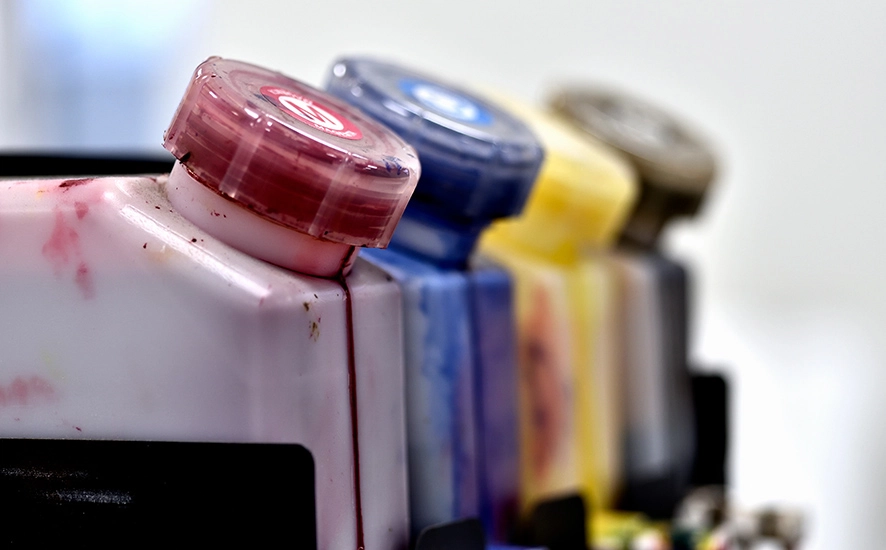
Overstock plagues textiles. Traditional printing encourages big batches, leading to 20-30% waste from unsold goods. Digital sublimation shifts to just-in-time production, printing only what’s ordered. This slashes inventory costs—firms might save 15-25% on storage alone. Sublimation prints hold up well, with colors lasting through 50+ washes. Environmentally, it cuts fabric discards; SHEIN’s model shows how, saving tons of water and materials. The dye sublimation printing market, valued at $16.4 billion in 2025, reflects this efficiency gain. Using the best sublimation inks minimizes reprints from errors. A reliable sublimation paper supplier ensures consistent quality, reducing defects. For global chains, this means less vulnerability to shipping delays—produce locally on demand. Data from 2025 indicates reduced waste by up to 40% in adopters. This resilience helps during shortages, keeping operations smooth.
This reduced risk ties into quicker market responses. With leaner stocks, companies pivot faster to new trends, staying ahead.
Responding to Market Trends Swiftly
Trends move fast in fashion. Digital sublimation lets firms adapt overnight—upload a new sublimation T-shirt design, and it’s ready. Traditional methods, on the other hand, require several weeks of equipment modification. This agility shines in dye sublimation textile printing, where printers handle diverse fabrics seamlessly. Sublimation news from Asia-Pacific, the fastest-growing region, highlights a 10.88% CAGR to 2025. For dye sublimation apparel, it means capitalizing on viral moments, like custom team gear. The market’s push toward personalization, with tailored clothing surging, demands this speed. Overall, it builds chains that flex with demand, boosting competitiveness.
The Future is Digital and Sustainable
Agility sets the stage for long-term wins. Looking ahead, digital sublimation promises a greener, more integrated future. It’s not just printing—it’s a full ecosystem upgrade.
Beyond Printing, A Systemic Upgrade
Digital sublimation revamps the whole textile pipeline. From design software to final stitching, integration cuts errors. AI now aids in pattern optimization, reducing material use by 10-15%. This goes beyond basics, touching supply tracking and quality checks. Sublimation prints benefit from embedded tech, like QR codes for traceability.
The industry, with a projected $25.52 billion market by 2030, embraces this. Sustainability weaves in—inks are often water-based, slashing chemicals. Dye sublimation textile printing supports circular economies, reusing fabrics. Firms like those in North America lead, but global adoption grows. This upgrade fosters collaboration, linking designers with manufacturers digitally. As systems evolve, materials matter more. Quality inputs ensure the upgrade delivers, from inks to papers.
The Critical Role of Quality Consumables
No upgrade succeeds without solid foundations. In dye sublimation textile printing, consumables like inks and papers dictate outcomes. The best sublimation inks deliver vivid, fade-resistant colors, essential for dye sublimation apparel. Market forecasts show the inks segment reaching $1.08 billion in 2025, growing due to demand for durability. Poor inks lead to clogs or dull prints, wasting time. A top sublimation paper supplier provides sheets that transfer cleanly, minimizing bubbles. For high-volume runs, these materials cut downtime.
Conclusion
The textile industry’s rush to digital dye sublimation is no accident. It delivers unmatched speed, letting firms turn ideas into products fast. Flexibility shines through, handling small batches and custom sublimation T-shirt designs without waste. Creative freedom expands, unlocking bold patterns in dye sublimation apparel. All this builds resilient chains, ready for market shifts. As sublimation news shows, with markets growing to $19.85 billion by 2029, adopting this is key for staying competitive. For those ready to transform, Changfa Digital offers high-quality sublimation transfer paper and inks. These are vital for smooth operations and grabbing opportunities. Contact us today at 396838165@qq.com to start your journey.


