


Bán nóng
Phone:+86-15215969856 E-Mail: 396838165@qq.com
In sublimation printing, heat transfer paper for sublimation does way more than just act like a simple helper. It actually takes charge of how nicely the ink gets held, let go, and moved over to the fabric. Because of that important job, it changes both how good the picture looks and how smoothly everything runs during production. Once you really get how this paper works, you see clearly why picking the right heat transfer paper for sublimation stays so key for getting steady and fast results every time.

Why is Heat Transfer Paper Essential for Sublimation?
These days, sublimation printing stands as one main way to make top-notch, tough designs on clothes made mostly from polyester threads. The whole thing works well only when the giấy chuyển nhiệt for sublimation you use turns out strong and does its job right. Even if you own the fanciest printers along with the best inks out there, nothing turns out steady in color truth or clear sharp lines unless that special paper sits in the middle of the process.
The Role of Heat Transfer Paper in Sublimation Printing
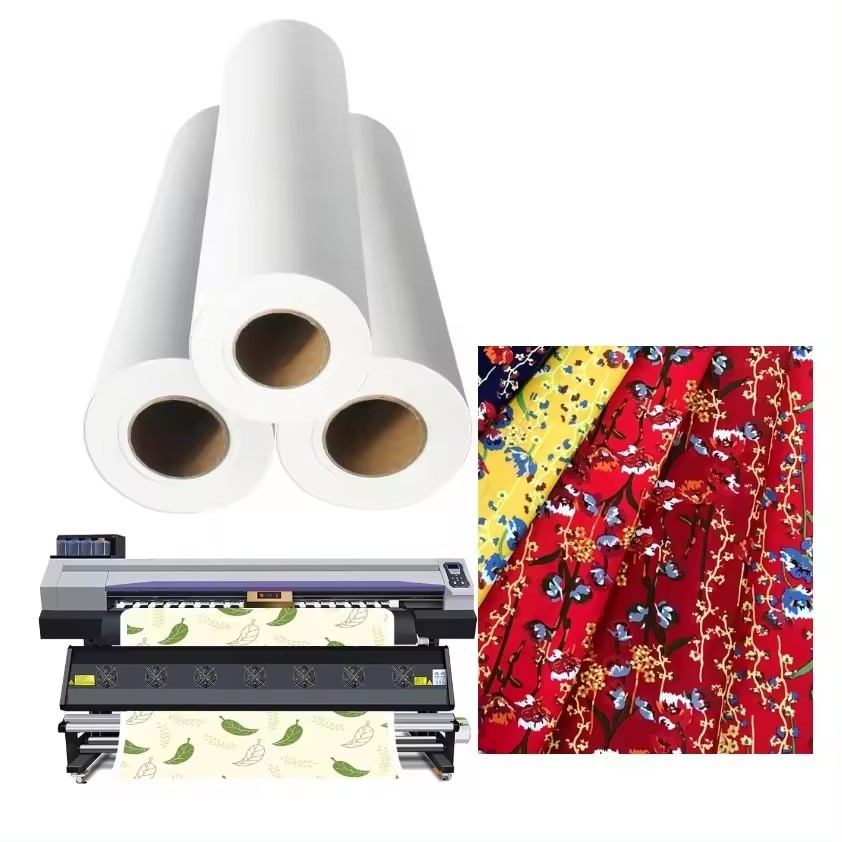
Heat transfer paper for sublimation works like the main bridge that carries your mực thăng hoa straight from the printer over to the piece of cloth you want to decorate. Thanks to this paper, every little part of your artwork—from super thin lines all the way to smooth color fades—moves across exactly the way you planned it. That kind of exact moving matters a ton in big factories that print tons of fabric pieces every day, since matching colors perfectly and keeping every detail sharp helps build a strong name for any brand. At the same time, this paper stops ink from spreading messily while you press with heat, so patterns stay clean instead of getting blurry or twisted. Because it holds up nicely even when things get really hot, you end up with the same great look whether you make one item or hundreds in a row.
Whenever big jobs come your way and you need supplies you can count on day after day, it helps to team up with someone who really knows what factories need. Changfa Digital is the professional sublimation paper manufacturer and has supplied the digital printing service for 15+ years. It’s the factory for sublimation papers, from base paper to making coating and slitting and shipping to all of the world. Because they understand so much about making this stuff, every roll of their heat transfer paper for sublimation keeps working the same strong way even during the toughest production days.
How Does Heat Transfer Paper Enhance Print Quality?
The special top layer on really good heat transfer paper spreads ink out nice and flat, which gives you sharp, clean pictures that do not smudge or leave behind faint extra marks called ghosting. Since this paper matches up well with the inks made just for sublimation, those bright colors sink deep down into the polyester threads once heat presses down hard. That deep sinking creates lively shades that stick around for a very long time. Papers built with smart coatings also dry fast after printing, so you spend less time waiting between one sheet and the next. Because waiting drops a lot, you finish more work in the same amount of hours and keep everything moving quicker overall.
What Makes Heat Transfer Paper Indispensable for High-Volume Printing?
In places where companies print huge amounts—like making sports jerseys or giveaway bags from fabric—speed plus saving money counts more than anything else. The heat transfer paper for sublimation you choose not only decides how nice each piece looks but also changes how much it costs to run everything and how quickly jobs get done.
Ensuring Efficiency and Consistency in Bulk Orders
When you handle really large orders and need every single item to match perfectly, staying the same from the first piece to the last one becomes super important. Really nice heat transfer paper for sublimation soaks up ink evenly and lets it go the same way every time, which stops big differences from showing up between one batch and another. Because those differences disappear, you throw away far fewer bad prints or ones that came out uneven. On top of that, this paper stands up well to hot temperatures without curling up or getting wrinkly while you press, so machines that run automatically keep going without sudden stops or slowdowns.
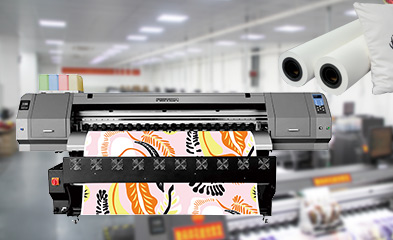
There were 4 coating lines of Changfa kỹ thuật số, 4 slitting workshops, and 10 slitting machines for 2 and 3 cores of the packing rolls. All that big equipment lets them make paper nonstop while still checking every step carefully to keep quality high. That careful setup means each roll you get meets what big factories expect when they want supplies they can trust completely.
The Economic Benefits of Using Quality Heat Transfer Paper
Sure, buying strong giấy thăng hoa might look like it costs extra money at the start, but over many months they actually help you save quite a bit. They cut down on wasted fabric from bad transfers and stop you from having to redo prints that went wrong the first time. These good papers also keep your printer cleaner by stopping extra ink from building up inside or blocking the heads, which happens way too often with cheaper kinds. After using them for a while, your machines last longer and need fewer fixes, so repair bills stay low.
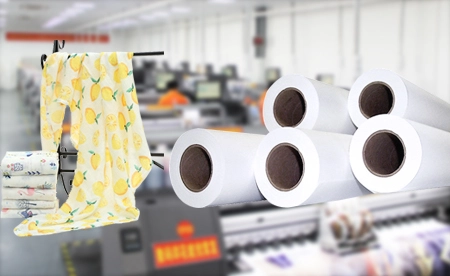
For any shop that wants to keep costs down yet still make prints that look wonderful and work great in sublimation jobs, spending on dependable heat transfer paper for sublimation turns into a smart move. Changfa Digital imported 1 set of the most advanced coating lines for sublimation paper production daily from Germany. Bringing in that top-notch German machine shows how serious they are about building everything just right. Smooth coatings from that line help ink slide off easily, while the paper itself keeps its shape steady even under very hot conditions.
How Do You Choose the Right Heat Transfer Paper for Your Needs?
Finding the perfect heat transfer paper for sublimation means looking at several things all at once, such as what kind of fabric you plan to use, which printer sits on your desk, the exact ink you pour in, and what you want the finished item to do. When you think carefully about each of those parts, your choices lead straight to designs that stay bright and tough for a long time.
Factors to Consider When Selecting Heat Transfer Paper
Every type of cloth acts a little different when heat and pressure hit it during sublimation. Thin polyester mixes usually work better with lighter papers around 35–40 gsm because those let the dye sink in nicely without putting on too much and making things soggy. Thicker, heavier fabrics do great with stronger papers in the 60–100 gsm range since those hold their shape well even during longer pressing times that some jobs need.
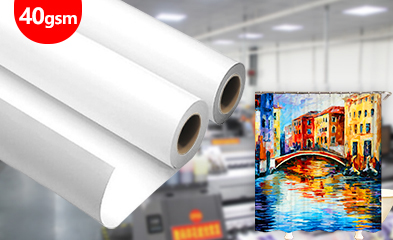
You also want to check if the width fits your printer perfectly, especially when you work with big wide rolls, and make sure the paper stands up to high heat without bending or twisting out of shape. Temperatures normally sit somewhere between 375°F and 400°F for most jobs. Sublimation Fabric Specifications Weight (gsm): 40 GSM. Width (cm)/Length (m/roll): 132 cm/142 cm/150 cm/152 cm/153 cm/155 cm/160 cm/162 cm/170 cm/172 cm/180 cm/182 cm/183 cm/188 cm. Options like these give you plenty of ways to pick exactly what matches your project size and the special cloth you use.
Recommendations for Optimal Performance
If you aim to get steady pro-level work every day in sublimation printing—especially when you handle lots of orders—you should stick with makers everyone knows for their deep knowledge and helpful support. Take Changfa Digital, for instance. They give you chances to customize with OEM so things fit your exact wishes, and their team stays ready with help any hour of the day or night.
Câu hỏi thường gặp
Q: Can heat transfer paper be reused?
A: No way. Each piece works one time only because after the first ink leaves, trying again hurts how true the colors stay and how well everything sticks.
Q: Is there a difference between light and dark fabric heat transfer papers?
A: Yes, there sure is. Papers for light or white cloth stay thin and see-through so colors shine bright on pale backgrounds, while ones for dark cloth add a thick layer underneath that makes bright shades stand out clearly against black or deep colors.
Q: What temperature should I use for heat pressing with sublimation paper?
A: Most times you set the press between 375°F and 400°F, but it changes a little depending on how thick your fabric feels, so always read the instructions that come with your heat transfer paper for sublimation before you start to get the nicest results possible.


