


Best Fabrics for Dye Sublimation Printing: Going Beyond 100% Polyester
Bán nóng
Ứng dụng
Phone:+86-15215969856 E-Mail: 396838165@qq.com
The field of digital textiles advances quickly. In the past few months, the clothing sector has changed a lot. Brands now avoid basic quick-style items. Instead, they focus on strong active wear and green fake-cotton materials. Many shop owners in printing know that full polyester works best for dye sublimation printing. It proves reliable, shows clear colors, and gives steady results. But consider a customer who enters and wants a sweatshirt like gentle cotton with a detailed full-color pattern. Or think of stretch pants from strong nylon for exercise. If you limit yourself to full polyester, you miss out on sales. In this piece, we examine ways to expand your sublimation printing work. We explore mixes and other man-made threads. This keeps the sharp, expert appearance that clients desire.
Why Dye Sublimation Printing Sticks to Certain Fibers
To build your operation, understand the reasons for the method. Sublimation differs from screen printing. In screen printing, the color stays on the surface like a plastic cover. Sublimation forms a chemical link. At temperatures around 390 to 400 degrees Fahrenheit, the color changes to gas. Then, the openings in man-made threads expand to take in the gas. After the heat stops, those openings seal. This locks the color within the thread for good. That explains why a printed shirt holds up after 100 washes. The pattern does not split or lift. It integrates into the cloth.
Still, this process works only with plastic-based materials. Items from nature, such as cotton or silk, lack those openings for gas. Attempting sublimation on full cotton means the color drifts off in the initial rinse. Nothing grips it. Yet, this does not force you to use only glossy, light polyester. New cloth development offers mixed choices. These permit greater design freedom. By picking a skilled sublimation paper manufacturer, you locate sheets that manage varied thread types. They preserve the exact lines of your images.
The Role of Polymer Content in Color Retention
In dye sublimation on man-made threads, the polyester amount on the label matters most. View polyester strands as small grabs for the color. In a 50/50 mix of polyester and cotton, just half the cloth can hold the color. The outcome appears dim and aged. Some top clothing lines value this soft, worn style as a feature. However, for team uniforms, it falls short. Match the cloth’s plastic level to your print aims. This prevents issues from buyers.
Temperature Sensitivity of Different Synthetic Bases
Man-made materials vary in build. Polyester handles high heat well. But threads like nylon or some stretch mixes can soften or burn if not handled right. This poses a practical issue for print operations. Balance the warmth to change color to gas against the cloth’s softening point. High transfer rate sublimation paper changes this challenge. It moves color to the cloth quicker and better. Sometimes, you can reduce the heat time or level slightly. This safeguards delicate items.
Break the 100% Rule: Sublimation on Polyester-Cotton Blends
New entrants often believe full polyester is the only choice. That idea restricts your options. Demand for polyester mixes grows large. Buyers enjoy cotton’s air flow but seek lively digital colors. We recommend at least 65% polyester for a firm result. Below that, the picture turns rough. The color skips cotton parts. Even at 65/35, outcomes feel smoother and higher quality than basic glossy sport shirts.
To gain the most from these mixes, adjust your process a little. With fewer polyester strands to grab color, each bit counts. Here, the standard of your supplies makes the gap between gain and setback. Seek paper that gives up 95% or more color in the press. If it clings to color, the mix appears flat and pale. A specialized 50gsm high quality jumbo roll sublimation paper ensures strong color in transfer. This holds even on low-poly cloths, reaching the peak possible brightness.
Achieving the “Vintage” Aesthetic on 50/50 Blends
The 50/50 mix serves a clear market. It fits well in casual urban clothing. People there prefer a classic or rough style. On a 50/50 grey speckled shirt, color dyes only the grey polyester spots. It skips the white cotton areas. The effect mimics a well-used item fresh from pressing. This suits everyday clothing that avoids thick, damp work gear feel.
Managing Moisture in Cotton-Heavy Blends
Cotton draws in water easily. It pulls dampness from the surroundings, which harms dye sublimation printing. Damp cloth creates vapor in the heat press. This leads to faint outlines or fuzzy borders. Always warm the mixed cloths first for 5 to 10 seconds. This removes extra dampness before placing transfer sheets. Pair this with quick-dry paper. It keeps edges clear and colors in place.
Beyond Polyester: Dye Sublimation on Nylon and Spandex
If you look at the tags of high-end swimwear or cycling gear, you’ll often see Nylon (Polyamide) and Spandex (Elastane). These are tricky. For a long time, people thought you couldn’t sublimate on nylon at all because it often has a lower melting point and doesn’t always take the “standard” sublimation ink well. However, with the right ink and a high-quality paper, dye sublimation on synthetic fibers like Nylon 6 is very doable. It requires a bit more testing, but the payoff is a product that feels incredibly smooth and has a high-end, silky sheen.
The secret to success with these stretchy, sensitive fabrics is all about tension and paper choice. Because these fabrics shrink and move when they get hot, you often need a “tacky” or “sticky” paper to keep the fabric from shifting mid-press. If the fabric moves even a millimeter while the ink is in gas form, you get a double image. This is why professional shops work closely with a sublimation paper manufacturer that understands the physics of stretch fabrics. You need a paper that can handle the ink load without curling, especially when you are doing full-coverage prints on wide-format rolls.
Heat Pressing Nylon Without Scorching
Nylon is sensitive. If you press it at the same settings as a heavy polyester flag, you might end up with a yellowed or “crispy” garment. You often have to drop the temperature to around 180-185 degrees Celsius and increase the time slightly. It’s a delicate dance. Using a thinner, high-efficiency paper like a 50gsm jumbo roll allows the heat to pass through to the ink quickly, reducing the amount of time the fabric has to sit under the hot plate, which helps preserve the soft hand-feel of the nylon.
Maintaining Color Vibrancy in High-Stretch Spandex
Spandex is designed to be pulled and twisted. The biggest problem with sublimating on Spandex is “grinning.” This is when you print a black design, but when the user puts the leggings on and the fabric stretches, the white unprinted fibers show through from underneath. To fix this, you need deep ink penetration. You need an ink and paper setup that pushes the color deep into the knit. This ensures that even when stretched to the limit on a yoga mat, the colors stay deep and rich.
Why Professional Grade Supplies are Critical for Non-Polyester Printing
When you are printing on 100% polyester, almost any cheap setup will work “okay.” But when you start pushing the limits with blends, nylon, or high-speed industrial production, the flaws in your paper and ink will show up immediately. B2B clients don’t just want a low price; they want consistency. If you provide 1,000 shirts and 50 of them have color shifts or ghosting because of poor paper quality, you’ve lost that customer. To compete in the modern market, you need industrial-scale solutions that offer high transfer rate sublimation paper to keep your margins healthy.
tại Changfa kỹ thuật số, we see this every day. Small errors in paper coating lead to huge losses in ink efficiency. If your paper only transfers 80% of the ink, you are literally throwing 20% of your ink money in the trash. That’s why we focus on the technical specs of our products. Our factory-direct supplies, like the popular 50gsm high quality jumbo roll sublimation paper, are engineered for high-speed industrial printers. They dry almost instantly and release the maximum amount of gas, which is exactly what you need when you are trying to get bright colors on difficult fabrics like poly-cotton blends or thin synthetics.
The Benefits of Using Jumbo Rolls for Industrial Printing
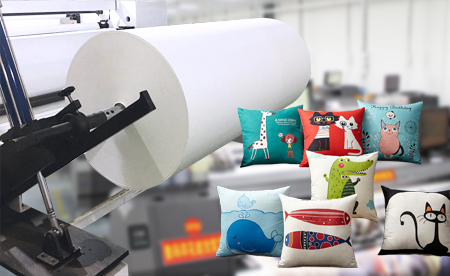
If you are running a real production line, you can’t be stopping every 20 minutes to change a small roll of paper. Efficiency is the only way to survive in the B2B world. Using jumbo rolls means fewer changeovers, less waste at the beginning and end of rolls, and a more consistent tension across the entire print run. This consistency is vital for maintaining color vibrancy in sublimation transfer across a 500-meter run of fabric. When the paper is consistent, the color is consistent.
Why Choosing the Right Sublimation Paper Manufacturer Matters
A lot of traders just buy whatever is cheapest on the market and slap a label on it. But as a direct manufacturer, we control the coating formula. We know exactly how our paper reacts with different inks and fabrics. For businesses looking to scale, partnering with a manufacturer that provides stable, high-transfer products means you spend less time troubleshooting and more time shipping orders. Whether you are doing high-speed fashion printing or customized sportswear, having a reliable supply chain for your sublimation printing needs is the foundation of your success.
Kết luận
Sublimation is no longer just for 100% polyester “shiny” shirts. By understanding the chemistry of different fibers and using the right tools, you can create soft cotton-blend tees, high-end nylon swimwear, and vibrant spandex activewear. The key is to never compromise on your consumables. High-quality results require high-quality paper that can handle the demands of modern digital printing. If you are looking to take your production to the next level and need a partner who understands the technical side of the business, we are here to help. Liên hệ us today to find out how Changfa kỹ thuật số’s industrial sublimation solutions can improve your print quality and save you money on every roll.


