


HOT SALE
APPLICATION
Phone:+86-15215969856 E-Mail: 396838165@qq.com
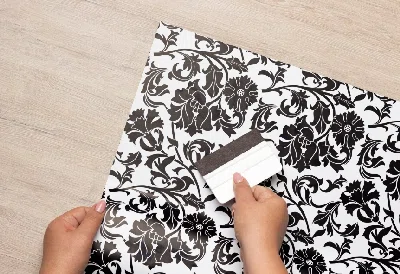
Dye sublimation transfer paper decides whether prints stay bright and strong after hundreds of washes or fade quickly. Its special surface coating and thickness control how well the ink soaks in, how bright the colors become, and how cleanly the ink leaves the paper during hot pressing. Good paper stops blurry edges, double images, and pale spots. Choosing the right thickness for each material — thin paper for soft scarves or thick paper for mugs and boards — makes the picture sharp and lasting. Factories like CHANGFA DIGITAL make carefully designed dye sublimation transfer paper that gives steady results every time, so the final product looks perfect and stays beautiful for years.
Why Does Dye Sublimation Transfer Paper Play Such a Crucial Role in Printing Durability?
What Makes the Surface and Structure of the Paper So Important for the Quality of Output?
In dye sublimation printing, the paper works as a temporary carrier. The ink sits on the paper until high heat turns it into gas that bonds with the fabric or hard surface forever. A top-quality coating grabs the ink evenly and holds it on the surface without letting it sink too deep. This even layer stops dark patches or light streaks. The base paper itself must stay flat and strong when the temperature climbs to 180–210 °C. If the paper bends or stretches, the picture moves and creates ghost images. The release layer on the paper decides how much ink actually leaves and sticks to the material. Weak release means dull colors and weak wash resistance. CHANGFA DIGITAL controls every step — from making the base paper to adding the coating and cutting the rolls — so every meter behaves the same way.
How Does the Weight of Paper Influence Ink Absorption and Transfer Results?
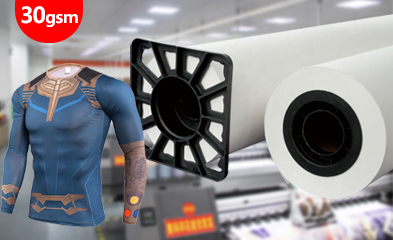
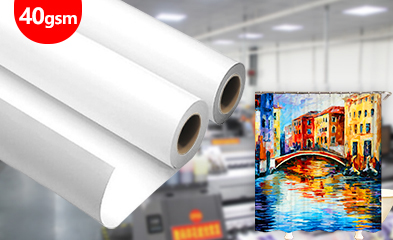
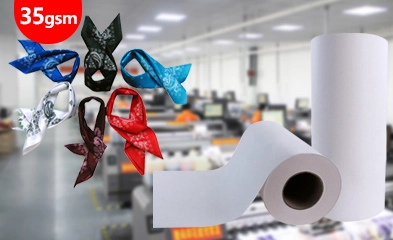
Paper weight, counted in grams per square meter (gsm), changes everything. Light papers like 35gsm Sublimation Transfer Paper work best on thin silk hijabs and delicate flags because they let the ink spread just enough without bleeding. Heavy papers around 90–100 gsm carry more ink and stay flat on thick blankets, mouse pads, or ceramic tiles, and metal plates. Even small changes in thickness across one roll can cause color differences from the first meter to the last. CHANGFA DIGITAL provides steady weights from 30gsm to 100gsm, and many widths from 61 cm up to 190 cm to fit every printer size.
Does the Quality of Paper Really Affect the Stability of Production?
What problems can poor paper quality cause?
Poor sublimation transfer paper often cause problems, such as uneven coating and inconsistent porosity, which shows that ink may be much in some areas while little in other. When heat hits, colors look different from sheet to sheet. Paper that absorbs moisture from the air starts to curl. Curled paper touches the print head and causes jams or scratches. During pressing, curled edges lift and create ghosting — a faint second copy of the design next to the real one. All these problems waste time, ink, and fabric.
How to Keep Colors Exactly the Same in Large-Scale Printing?
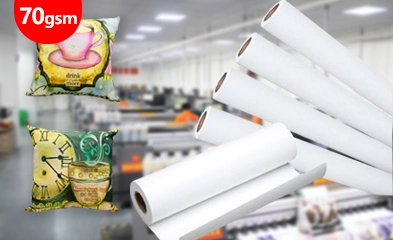
Big printing shops need every shirt or banner to match perfectly. Fast-dry papers such as 70gsm Fast Dry Sublimation Paper Roll dry quickly so high-speed printers and stop ink from smearing. CHANGFA DIGITAL uses a modern German coating line that puts exactly the same thickness of coating on every roll. Workers also build color profiles for each printer and paper combination. This careful matching keeps reds, blues, and blacks looking identical from the first piece to the last.
Why Is Heat Transfer Performance Dependent on the Right Paper Selection?
What Happens During the Heat Press Process?
During sublimation, solid dye particles in the paper turn into gas at high temperatures, typically between 180°C–210°C. That gas rushes into the polyester coating of the fabric or object. When the temperature drops, the gas turns solid again and becomes part of the material itself. The paper must let go of every bit of dye quickly and cleanly. If the coating holds on too long, colors stay pale. If the paper burns or shrinks, the picture warps. Fast-release coatings from CHANGFA DIGITAL shorten pressing time and still give bright, sharp results.
How to Choose Paper That Matches Different Materials?
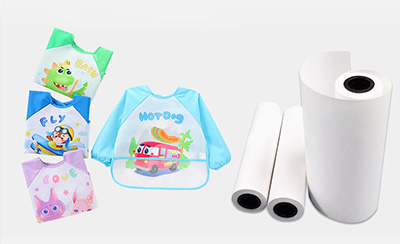
Soft stretch sportswear needs thin, flexible dye sublimation transfer paper so the print moves with the fabric and never cracks. Thick home blankets and wooden boards need heavier 90–100 gsm paper that carries more ink and stays perfectly flat. Matching the paper weight to the material stops bleeding at the edges and keeps fine letters readable.
Should Be Environmental Stability Considered When Choosing Sublimation Papers?
How Does Humidity Affect the Performance of Sublimation Paper?
Wet air has a bad impact on dye sublimation transfer paper. When humidity climbs, the paper soaks up water and starts to wave or curl. Curled paper ruins printer feeding and heat-press contact. The coating itself can lose strength and stop releasing ink properly. Keeping rolls in a cool, dry room between 15–25 °C and 45–55 % humidity protects quality for many months.
Which Methods Can be Taken to Extend the Durability of Transfer Paper?
Always stand rolls upright and keep the plastic wrap and core caps on until the moment of use. Store on pallets, never flat on the floor where moisture climbs up. Let cold rolls warm up slowly to room temperature before opening — sudden temperature change makes paper bend.
Why Is CHANGFA DIGITAL a Reliable Partner in Your Pursuit of Durable Sublimation Prints?
CHANGFA DIGITAL has focused only on dye sublimation transfer paper for over fifteen years. The factory controls everything — from buying raw paper to mixing the special coating to cutting exact sizes. Four modern coating lines and ten fast slitting machines produce 3000 tons every month and ship more than 120 containers worldwide. Light 35 gsm rolls for fashion, fast-dry 70 gsm rolls for sportswear, or heavy 100 gsm rolls for signs — every type comes out exactly the same batch after batch. This steady quality means less waste and happier customers.
FAQs
Q: Can the same paper weight work on every fabric?
A: No. Thin fabrics need light paper to avoid bleeding, while thick fabrics and hard items need heavier paper to carry enough ink.
Q: What causes ghosting during sublimation printing?
A: Ghosting usually comes from paper that moves or curls during pressing, or from too little pressure and time in the heat press.
Q: Do printer settings need to change when using different paper?
A: Yes. Each paper weight and coating needs its own temperature, pressure, and color profile for perfect results every time.


