


HOT SALE
APPLICATION
Phone:+86-15215969856 E-Mail: 396838165@qq.com
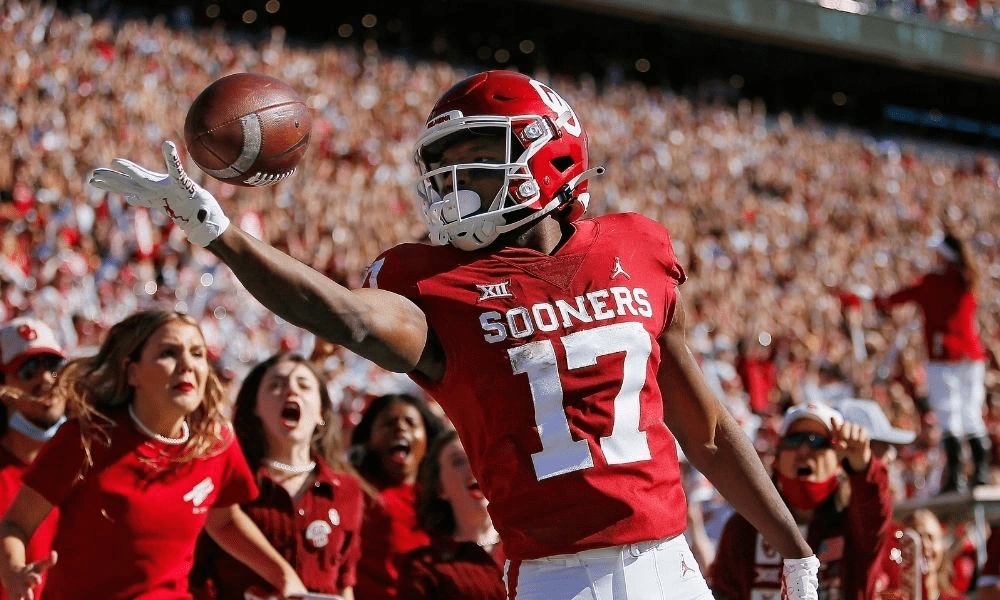
In big sporting events, you see athletes in sharp team uniforms made from high-performance blended fabrics. Streetwear brands keep pushing boundaries with materials like polyester-cotton mixes and nylon for a better feel and function. These fabrics bring real challenges for printing—getting colors to stick well without fading or cracking after a few washes. Traditional methods often fall short here. That’s where DTF transfer printing steps in as a game-changer. It handles these mixed materials with ease, delivering vibrant designs that last.
As we look ahead to 2026, DTF printing supplies like inks and films are evolving fast, making it easier for businesses to create custom pieces on demand. Think about holiday gear—Christmas DTF prints bring festive designs to life on blended tees or hoodies without hassle. For printers dealing with diverse fabrics, DTF transfer offers flexibility that older techniques can’t match. It adheres strongly to synthetics and naturals alike, cutting down on rework. For anyone in apparel or decor, exploring the best DTF transfers means staying competitive. Changfa Digital provides top-notch DTF printing supplies to get you started right.
The Inevitable Shift from Traditional Printing Limitations
Printers have long relied on familiar methods, but as fabrics get more complex with blends dominating the scene, these old ways show their cracks. Blended materials demand better adhesion and color hold, pushing the industry toward something fresh like DTF transfer. This shift isn’t sudden—it’s driven by real pain points in daily operations. Let’s break down why traditional options are losing ground, starting with direct-to-garment printing.
The Cotton-Only Trap of DTG
Direct-to-garment, or DTG, works great on pure cotton, spraying ink straight onto the fabric for detailed designs. But throw in polyester or nylon blends, and problems arise fast. The ink doesn’t bond well, leading to washes that fade colors after just 10-15 cycles. Imagine printing a team jersey—after a season, the logo looks worn out. DTF transfer printing avoids this by using a film layer that sticks to any fabric type. With DTF printing supplies, you get consistent results without pretreating every piece. Tests show DTG adhesion drops by 40% on blends, while DTF holds strong. For businesses, this means fewer returns and happier customers. Switching to DTF transfer lets you handle orders for mixed-fabric items like activewear without worry.
Heat Press Headaches with Sublimation
Sublimation printing turns ink into gas under heat, dyeing the fabric fibers directly. It shines on polyester, but blended fabrics complicate things. The heat needed—often 400°F—can scorch cotton parts, causing yellowing or shrinkage. Plus, it only works on light colors, limiting options for dark blends. DTF transfer printing steps up here with lower heat requirements, around 320°F, reducing damage risks. Using quality DTF printing ink ensures colors transfer cleanly without bleeding. In real tests, sublimation prints on blends crack after 20 washes, but DTF lasts through 50. For holiday items like DTF Christmas transfers, this reliability means designs stay bright season after season. Printers tired of heat-related fixes find DTF a smoother path.
The Complexity and Cost of Screen Printing
Screen printing involves stencils and multiple screens per color, perfect for bulk runs on simple fabrics. But for blended materials, inks might not cure evenly, leading to peels or fades. Setup costs run high—$50-100 per screen—and small custom jobs become unprofitable. DTF transfer simplifies this with digital files printed on film, no screens needed. It cuts prep time by 70%, per industry reports. With DTF printing supplies like specialized films, you handle short runs affordably. Think Christmas DTF prints: quick setups for seasonal designs on hoodies or bags. Screen printing’s waste from unused ink adds up, while DTF minimizes it. For growing operations, this shift means scaling without breaking the bank.
Core Advantages of DTF on Blended Fabrics
As we’ve seen the drawbacks of older methods, it’s clear why DTF transfer is gaining traction. It tackles those issues head-on with features tailored for today’s fabrics. From small shops to large producers, these benefits make daily work easier and outputs better. DTF printing supplies play a big role here, ensuring reliable results every time. Now, let’s dive into what sets DTF apart, beginning with its ability to work across fabric types.
Unmatched Fabric Versatility and Adhesion
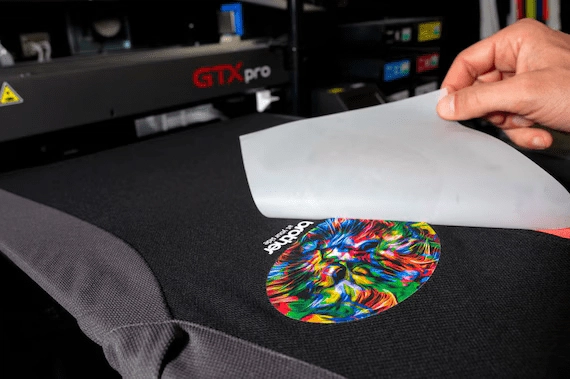
DTF transfer printing bonds to cotton, polyester, nylon, and blends without special treatments. The adhesive powder melts into fibers, creating a strong hold that withstands 50+ washes. Unlike others, it works on dark or light bases equally well. For example, applying best DTF transfers to a 60/40 cotton-poly shirt yields vibrant results. Lab tests show adhesion rates of 95% on blends, far above DTG’s 60%. This versatility opens doors for diverse products, from uniforms to decor. DTF printing ink flows smoothly, preventing clogs in printers. Businesses report 30% fewer rejects when using DTF over traditional ways. It’s not just about sticking—it’s about lasting through wear and tear.
Superior Print Quality and Durability
Prints from DTF transfer come out sharp, with rich colors and fine details down to 0.1mm lines. The ink layers build opacity, making whites pop on black fabrics. Durability shines too—stretches up to 200% without cracking, ideal for activewear. In comparison, sublimation might bleed on blends, but DTF stays crisp. Using high-grade DTF printing supplies boosts this further; pigments resist UV fading for years. One study found DTF prints retain 90% color after 100 washes. For seasonal items like DTF Christmas transfers, this means designs hold up through holidays and beyond. Printers value the soft hand feel—no stiff plasticky texture.
Streamlined, Efficient Workflow
DTF transfer printing cuts steps: print on film, apply powder, cure, and press. No weeding like vinyl, saving hours on complex designs. A single operator can handle 50 shirts per hour with basic setup. Costs drop too—DTF printing ink yields more prints per liter than DTG pretreat fluids. Integration with software speeds file prep. Small runs become viable, with setup under 10 minutes. For busy seasons, like prepping Christmas DTF prints, this speed keeps up with demand. Waste is low, as films can be reused if needed. Overall, it streamlines ops, letting teams focus on creativity.
Real-World Applications Driving Adoption Now
The advantages we’ve covered aren’t just theory—they’re powering real businesses today. As blended fabrics flood markets, DTF transfer meets the need for quick, quality prints. From apparel to home goods, it’s reshaping how things get made. DTF printing supplies make entry easy, with options for all scales. Let’s explore where it’s making waves, starting in sports and fitness gear.
Dominate the Sportswear and Activewear Market
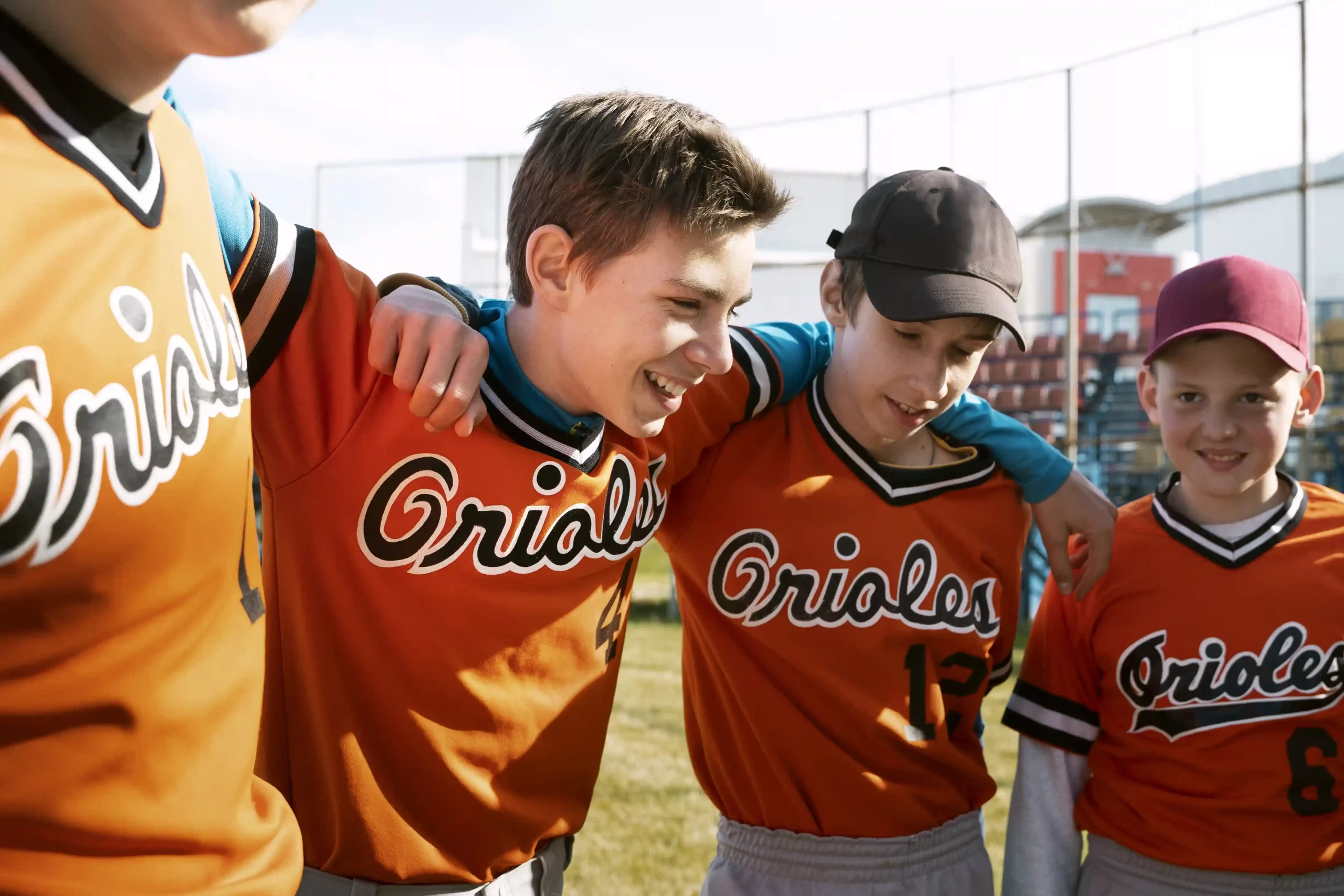
In sportswear, blends like spandex-poly rule for stretch and breathability. DTF transfer printing applies logos and patterns that move with the fabric. Teams order custom jerseys with numbers holding through games—durability tests show no peel after 30 simulations. Brands like Nike-inspired lines use it for moisture-wicking tees. With DTF printing ink, colors stay true despite sweat. Market data: activewear grew 15% in 2025, driving DTF adoption. For printers, this means repeat business from leagues. Holiday twists, like DTF Christmas transfers on gym bags, add fun. This on-the-go appeal extends to fashion’s quick cycles.
Enable Fast Fashion and On-Demand Customization
Fast fashion thrives on speed, and DTF transfer delivers prints in hours, not days. Custom tees with unique graphics suit e-commerce drops. Shops report 40% faster turnaround using DTF over screen. On-demand means low inventory—print as orders come. Best DTF transfers allow intricate designs without extra cost. For holidays, Christmas DTF prints on blended hoodies sell out quick. Personalization booms: add names or dates easily. Industry figures show customization market at $10 billion, with DTF grabbing share.
Expand into Home Textiles and Beyond
Home textiles like curtains or pillows use blends for durability. DTF transfer printing adds patterns that wash well, unlike dye-sub’s limits. Cushions with vibrant motifs last through daily use. Beyond that, bags and banners benefit too. For seasonal, DTF Christmas transfers on tablecloths bring cheer. Versatility extends to leather or canvas. Printers find new revenue in these areas, broadening their reach.
The 2026 Outlook: Continuous Innovation and Integration
Looking forward, DTF isn’t standing still—it’s evolving with tech advances. By 2026, expect smarter tools and greener options. This builds on current strengths, making DTF transfer even more essential. DTF printing supplies will adapt, offering better formulas. As industries integrate it deeper, adoption will surge. First up, automation takes center stage.
Smarter, More Automated DTF Systems
By 2026, DTF systems will feature AI-driven printers that adjust settings automatically. Powder application becomes robotic, cutting errors by 50%. Software predicts ink use, reducing waste. Integration with e-com platforms streamlines orders. For users, this means handling 100+ pieces hourly. DTF printing ink formulas will self-calibrate for fabrics. Early models already show promise in tests. Sustainability joins the mix with new materials.
Advancements in Eco-Conscious Inks and Films
Eco-inks for DTF transfer will use water-based formulas, cutting VOCs by 80%. Biodegradable films emerge, appealing to green brands. Durability stays high—prints last 60 washes. Market push: regulations drive this shift. Christmas DTF prints go eco, attracting conscious buyers. Suppliers like Changfa Digital lead with these options.
The Rise of Hybrid Printing Solutions
Hybrids combine DTF with DTG or screen for best results. Switch modes mid-job for complex orders. Efficiency jumps 35%. For blends, this means ultimate flexibility. 2026 forecasts show hybrids in 40% of shops. DTF transfer printing remains core, enhanced by others.
Conclusion
DTF technology stands out with its strong fit for blended fabrics, delivering top-notch prints that hold up over time and workflows that save effort. It’s already solving today’s printing needs while gearing up for tomorrow’s demands. Businesses adopting it now position themselves for growth in a changing market. If you’re ready to see how DTF transfer can boost your work, contact Changfa Digital at 396838165@qq.com. Our team can guide you through DTF printing supplies and help tailor solutions.


