


HOT SALE
APPLICATION
Phone:+86-15215969856 E-Mail: 396838165@qq.com
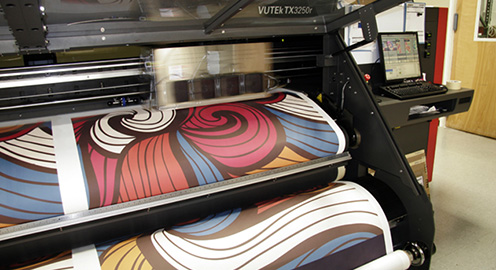
Sublimation printing stands out as a favorite option in 2026 for making textiles. It gives bright colors, clear details, and prints that last a long time on fabrics made mostly from polyester. Many brands now want quicker ways to add custom designs and more flexible ways to create textiles. Because of this, sublimation keeps growing stronger in areas like fashion, sportswear, and items for promotion.
The Growing Popularity of Sublimation Printing in the Textile Industry
Sublimation printing has turned into a big change for how people make textiles, mainly on fabrics based on polyester. It mixes the exactness of digital methods with strong, lively color results. This makes it the main way to create sharp designs on clothes, sport items, and textiles for inside spaces.
How Does Sublimation Printing Work and What Makes It Unique?
Sublimation printing works in a simple way at its heart. It uses heat and pressure to turn solid dye straight into gas. The dye does not become liquid first. Then this gas goes deep into the polyester fibers and joins with them at a very small level. Other older ways, like screen printing or pigment printing, only put ink on the top surface of the fabric. But sublimation makes the print become part of the fabric. So the finished material feels smooth and does not get extra thickness or stiffness.
Why Is 2026 Expected to Be a Milestone Year for Textile Printing Technology?
The world of textiles is changing fast. It now focuses more on kinds of production that help the planet and on turning to digital tools. Experts think that by 2026 there will be huge growth in the need for fabrics that are better for nature and for printing methods that give high detail. These methods also help make small groups of items with special designs.
Digital tools let factories make their work flow better, shorten waiting times, and handle tricky patterns with almost no hand work. Changfa Digital serves as the sublimation paper manufacturer and digital printing service. It acts as the factory for sublimation papers, handling everything from base paper to coating and slitting. The company keeps putting money into modern coating lines brought in from Germany. Its ability to make 3000 tons each month shows how big-scale new ideas help support these changes in the market. Their inks that meet eco rules and the carefully made sublimation papers let textile makers around the world follow new rules for protecting nature while still creating excellent prints.
Key Advantages of Sublimation Printing on Polyester Fabric
Polyester works as the best base material for sublimation. Its man-made makeup lets the dyes go deep inside when heat moves them over. This creates prints that stay strong for a very long time. They do not lose color easily, even when washed often or left in bright sun.
Why Does Sublimation Offer Superior Color Accuracy and Image Quality?
Pigment methods use small dots to build pictures. Sublimation does something different. It makes pictures with smooth color changes, much like real photos. The dye joins right inside the fiber instead of staying only on top. Because of this, colors look stronger and stay the same even in big production runs. The way polyester is built helps the sublimation dyes sink in deeply. This locks the colors in place so they last longer.
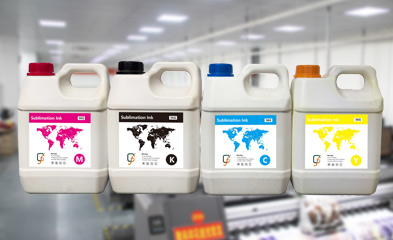
These new sublimation inks use safe solvents that do not harm the environment. They are safe and not poisonous. They give a wide range of colors that look bright and alive. The black color covers much better after the transfer step. The inks flow very well too. A printer can run at 360dpi for 20 meters straight without any breaks or missing spots. These features make the inks great for big production jobs where the colors need to match every time.
Emerging Trends Driving Sublimation Printing Toward 2026
Digital tools keep changing the way designers create and factories produce textiles. This goes from making items just for one person to adding smart features into fabrics.
How Is Customization Shaping On-Demand Production Models?
Buyers today want products made just for them. These items show off their own taste or the special look of a brand. Digital steps let factories create small numbers of items without losing quality or taking too much time. Software that handles changing information works together with RIP systems. This lets companies add personal touches even when making many pieces. It works especially well for clothes used in promotions or small fashion brands that need to follow new styles quickly.
What Is the Connection Between Sublimation Printing and Smart Textiles?
Wearable tech keeps getting better. Fabrics with special jobs now need colors put on carefully so they still work with sensors or threads that carry electricity. Sublimation does this job nicely because it leaves the feel and stretch of the fabric unchanged. The design stays whole on new mixes of polyester used in active clothes or textiles for inside rooms.
Control systems that are very exact make sure the heat stays the same across different materials. This matters a lot when using mixed fabrics that stretch or pull away moisture.
Choosing the Right Equipment for Professional Sublimation Printing Operations
To build a good sublimation process, teams must pick the right printers, inks, heat presses, and tools to check colors. All these parts need to work well with polyester.
Which Components Define a Modern Sublimation Workflow?
Printers and Ink Systems
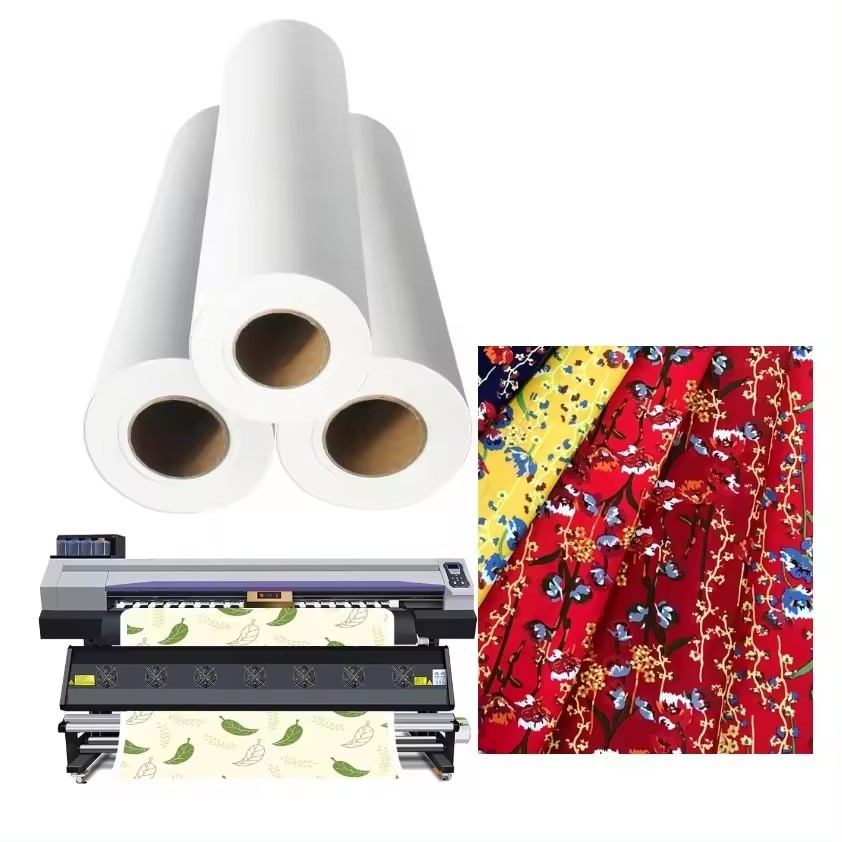
Printers that give very fine detail and can take wide rolls offer choices for both single clothing pieces and bigger decoration materials. The inks need to stay stable when they get hot. This stops blockages and lets drops come out smoothly through the many small holes in the print head.
Heat Transfer Equipment
Flat presses work well for moving designs onto cut pieces, such as parts of clothes. Rotary heat presses do better with long rolls in factory settings where work needs to keep going without stops.
Color Management Tools
Good checking of colors makes sure the shades match from one machine to another. This becomes very important when copying exact colors that a brand wants across many different products.
Why Does Partnering With Specialized Suppliers Elevate Production Quality?
Working with a supplier you can trust gives custom help from the coating steps all the way to ongoing advice. This makes it easier to grow as the market moves toward the big increase in digital textiles expected in 2026. We have a skilled group that offers expert help. They make sure every customer gets the right guidance to work faster and create less waste while running production.
Future Outlook: The Strategic Value of Investing in Sublimation Printing Now
Textile companies that start using better sublimation setups today will stand in a strong spot when tomorrow’s market gets tougher.
How Can You Align Business Growth With Upcoming Market Shifts?
The need for polyester textiles printed with digital methods keeps going up around the world. This comes from changes in how people live that favor special designs instead of huge factory runs of the same item. Starting early brings benefits in growth. Companies can add more power without big changes to their buildings or tools.
How Can Strategic Partnerships Secure Long-Term Success?
New ideas in how print heads work precisely and in adding automatic steps will set the next level of fast and efficient making. When these ideas join with steps that protect nature by focusing on reuse and lower pollution, the companies that choose them now will lead the textile world of the future. This world will rest on fresh ideas, quick responses to what the market wants, and careful treatment of the environment.
FAQs
Q1: What fabrics are best suited for sublimation printing?
A1: Fabrics made from polyester give the best outcomes. Their man-made build lets the dyes join in a lasting way when heat moves them. Natural fibers like cotton cannot reach the same strength or bright look unless they get special layers first.
Q2: Is sublimation printing environmentally friendly compared to traditional methods?
A2: Yes, it is. The method uses no water at all and works with inks made from safe solvents that do not add harmful chemicals to nature.
Q3: What industries benefit most from adopting sublimation technology?
A3: Makers of sportswear, creators of home decoration items, companies that do promotional goods, and fashion designers all gain from the bright color choices, the way prints resist washing, and the cleaner steps that bring high-value results in textiles used worldwide.


