


HOT SALE
APPLICATION
Phone:+86-15215969856 E-Mail: 396838165@qq.com
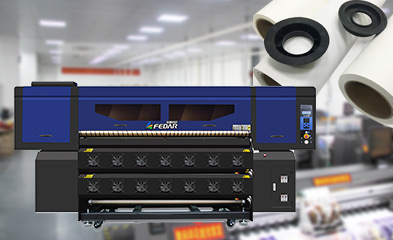
When you print on polyester fabric, the material for transfer holds equal weight to the printer and ink. Sublimation paper aids in managing the precise shift of dye to the fabric. It also shapes the clear view of the end design. If the paper works smoothly, then you gain stronger hues, neater lines, and steadier outcomes overall.
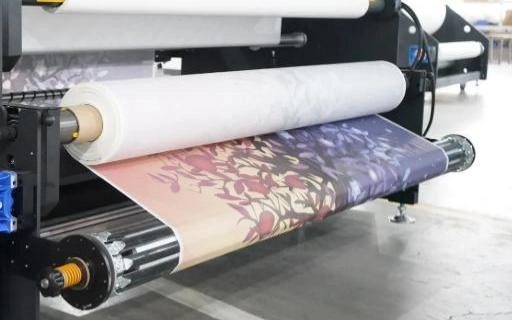
What Makes Sublimation Paper Ideal for Polyester Fabric Printing?
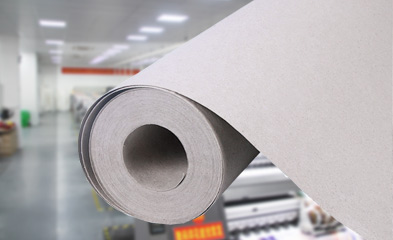
Sublimation printing now stands as the top choice for creating solid, tough, and lively patterns on polyester cloths. The method leans heavily on the strength and action of sublimation paper. This paper serves as the carrier that shifts dye to the cloth’s face with care and sharpness.
How Does Sublimation Paper Work with Polyester Fabrics?
As you pick sublimation paper for the job, warmth and force take key spots in the shift step. The ink for sublimation, placed on the paper through printing, shifts to gas under hot levels. It then links right to the polyester threads. Such a mix of chemicals makes the dye join the cloth as one. It does not rest just on the surface. Thus, the final prints show full life, stay for years, and fight off color loss or splits even after several cleanings.
This way proves extra useful because polyester’s built-up form holds wide gaps that grow with heat. After cooling, those gaps seal around the dye bits and hold the hue in place forever. And so, each pattern keeps its first glow and edge as days go on. In fact, the whole setup helps designs hold their look with little change, which suits everyday use for clothes or signs that get a lot of handling.
Why Choose Polyester for Sublimation Printing?
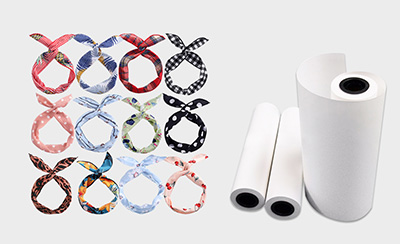
Polyester works with sublimation printing in a special way because its built-up threads form a firm tie with dyes from sublimation. Cloths like cotton or other natural materials do not take gas dyes well. Polyester, however, lets color parts sink deep, which brings strong color life and fine points in the image.
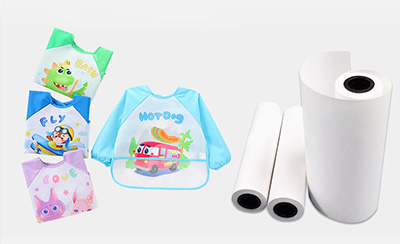
On top of that, polyester cloths are light in weight but still strong, so they suit gear in sports, large flags, home décor pieces, and promotional items. The material’s ability to keep its form and resist folds improves both its appearance and how long it lasts.
Take, for instance, many cloths used at working levels, where types like 100D Interlock or Bird Eye Mesh are made from 100% polyester. These fit well for processes that require high visual clarity.
How Can You Optimize Your Use of Sublimation Paper?
To gain the same strong results in printing with sublimation paper, you need to think of some tech points. These points shape the strength of what comes out.
What Factors Affect the Quality of Your Prints?
The sort of sublimation paper picks a large part in how sharp prints turn and how full colors fill. Papers change in heaviness, marked as GSM, and in coat methods. Lighter ones, say 29 GSM or 33 GSM, match quick printers. Heavier sorts, like 81 GSM or 95 GSM, give a better hold on ink soak for images with many small bits.
Choices for heat and time also affect how well dyes turn to gas in polyester threads. In most cases, you press near 380°F (193°C) for about 45 seconds, which gives the best end. Yet, these settings can shift because they follow your exact printer type or the press tool.
The make of ink adds to how prints act, so you should stick to inks built just for sublimation steps. They help bring even color shifts without bands or runs.
How Do You Select the Right Sublimation Paper?
Choosing the right sublimation paper means looking at your make, aims, and
tool fits, starting with paper heaviness. Lighter papers work fast in roll-to-roll print lines for cloth work, while heavier sheets do better in flat setups that cover special clothes or shifts to tiles.
Check how it fits your printer too, because not all papers spread ink the same across varied print parts. Last, weigh your plan use, whether you make stylish clothes or marked goods, and then choose a coat end that supports your work speed.
How Does Changfa Digital Enhance Your Printing Experience?
Getting the skill down counts a lot. But joining with a maker full of know-how can raise your full make path.
What Sets Changfa Digital Apart in the Industry?
Changfa Digital is the sublimation paper manufacturer and digital printing service; it’s the factory for sublimation papers, from base paper to making coating and slitting. Their expertise spans over fifteen years of providing advanced digital printing solutions globally. There were 4 coating lines of Changfa Digital, 4 slitting workshops, and 10 slitting machines for 2 and 3 cores of the packing rolls. This large-scale infrastructure ensures consistent product quality across every batch produced.
Their drive for top work goes past making, because they also offer pro-change services for OEM/ODM, which let you shape items to your project’s needs. Their help group stays ready as well, and they give fast replies and aid any time, day or night. This keeps communication smooth from the start of the order to the time it lands.
If you look for steady teams in digital cloth making, consider Changfa Digital. The firm blends tech newness with world-move power, and it ships over 120 full cases each month to places all around.
Which Products from Changfa Digital Should You Consider?
In their broad line of stuff made for polyester cloth printing, you see papers of varied weights. These hold sublimation papers like 40 GSM, 61 GSM, and 95 GSM in roll shape. Widths reach up to 190 cm. Such picks serve big site runs and small shop spots that need exact out control.
Their sublimation paper has fine ink let-go traits, which boost shift speed and cut waste in big print batches. Every roll goes through tight checks for strength. They use top German coat lines to keep thickness even and fight wet hold.
These count as key when you aim for perfect even prints over thousands of meters monthly. Indeed, such care means less trouble and more trust in each use, fitting for pros who need a steady flow in their daily tasks.
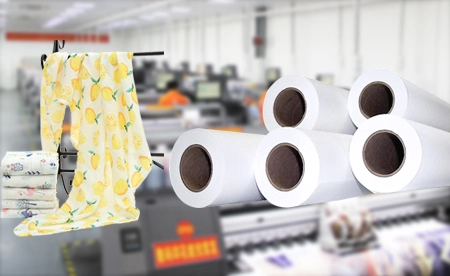
What Are Common Challenges in Sublimation Printing, and How Can You Overcome Them?
Workers with much skill still face tech bumps in making. Fixing them quick keeps work paths easy and cuts loss of stuff.
How Do You Prevent Common Printing Errors?
A usual issue is ghosting. This shows as pale twin pictures from the wrong line between paper and cloth in the heat press. To block it, make sure lines sit right before pushing and do not shift things once heat kicks in.
Color runs or pale spots often stem from wrong heat picks or too long a hold under heat tools. Change these to maker tips. That keeps the tone, truth, and cloth strength through many wash rounds.
What Maintenance Practices Should You Follow?
Steady care keeps printers and shift stuff in their best working state. Clean print heads often with okay clean fluids, because this helps stop blocks that twist the picture clear or leave streak marks on prints.
The right store matters just as much. Keep sublimation paper in dry spots away from wet shifts, since wet can weaken the coat stick and lead to bumpy shifts or flat hues on the press.
Put these guard steps into your work plan on a firm base, and you will stretch tool life. Plus, each group can hit pro-level marks that world buyers want. This setup not only saves time but also builds trust in your output, because steady quality draws repeat work from those who value reliable results in their projects.
FAQs
Q: Can I use sublimation paper on cotton fabrics?
A: No. Sublimation works best on polyester due to its synthetic fiber composition, which bonds effectively with gaseous dyes during heat transfer.
Q: How do I know if my printer is compatible with sublimation paper?
A: Check your printer specifications carefully; it must support specialized sublimation inks designed for thermal transfer systems rather than standard pigment-based formulations.
Q: Is there a recommended temperature setting for using sublimation paper?
A: Typically around 380°F (193°C) applied for approximately 45 seconds, though adjustments may be required depending on specific machine models or environmental conditions during operation.


