


HOT SALE
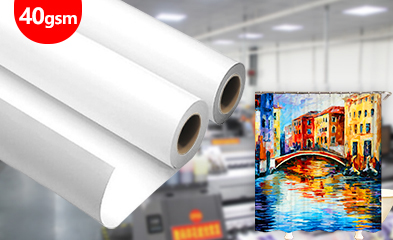
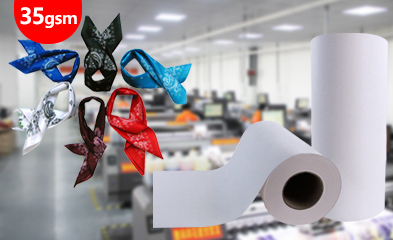
APPLICATION
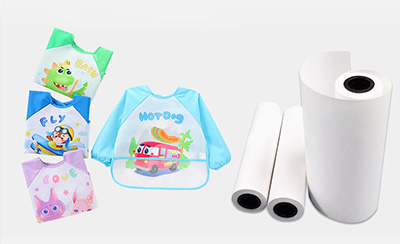
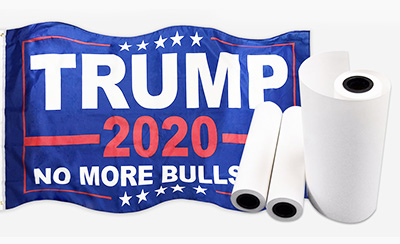
Phone:+86-15215969856 E-Mail: 396838165@qq.com
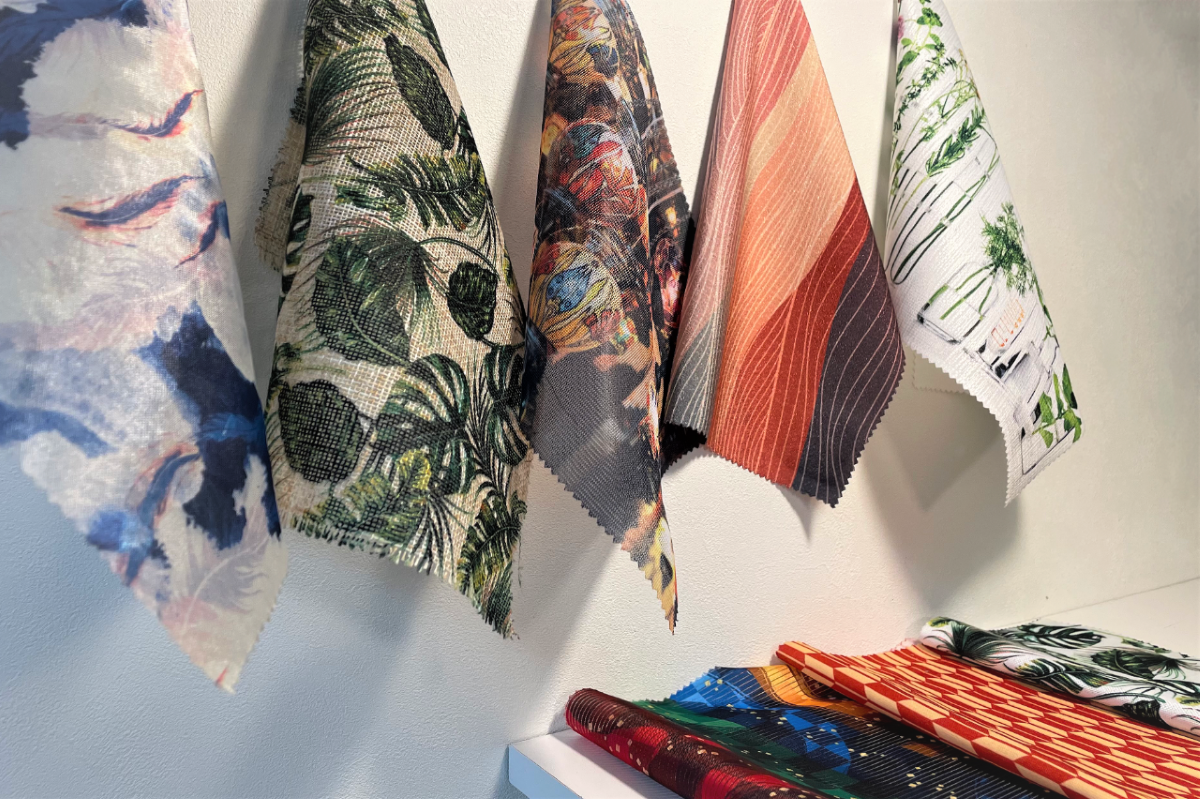
Sublimation print on polyester fabric still holds its strong position in 2026. It brings bold color results, clear, sharp details, and prints that stay good for a very long time in current textile work. More people want special sportswear, fashion pieces, and fabrics for ads and giveaways. For this reason, polyester continues as one of the most dependable choices for top-notch sublimation printing.
The Continued Dominance of Sublimation Printing on Polyester Fabric in 2026
How Is the Global Sublimation Printing Market Evolving Toward 2026?
The global market for sublimation printing keeps getting bigger fast as 2026 gets closer. This rise happens because many buyers need prints that last well in sportswear, fashion clothes, and things for decorating homes. Fresh steps forward in digital printing let factories work quicker and match colors more closely. Modern sublimation printers come with accurate tiny nozzles. These nozzles make fine patterns while wasting almost no ink.
A big reason the growth keeps going is the switch to machines that work by themselves and save energy. Plants now spend money on clever devices. These devices check ink movement, temperature, and moisture levels right away. They make sure every batch comes out the same. All this progress has placed sublimation printing right in the middle of tomorrow’s textile production.
How Has Changfa Digital Pioneered Innovation in Sublimation Technology?
Changfa Digital has worked as a professional sublimation paper manufacturer and digital printing service provider for more than 15 years. It runs as the main factory for sublimation papers. The company takes care of every part from the starting base paper all the way through coating and slitting. Then it sends the finished rolls to buyers everywhere in the world. Its skills include making excellent sublimation papers in weights from 29gsm to 100gsm. It also creates fresh ink recipes that give bright shades that hold their color for a long time.
The newest group of fast digital machines helps textile makers get much more done than in past years. Changfa Digital runs 4 coating lines, 4 slitting workshops, and 10 slitting machines that handle 2-inch and 3-inch core packing rolls. This whole setup lets the factory keep working without breaks and turn out as much as 3,000 tons every month. Smart control parts inside the machines lower the amount of power needed. At the same time they keep the color checks very exact. Because of this, running costs drop but the quality stays high.
Customers who look for machines and supplies they can count on turn to Changfa Digital. The company gives a full package that mixes new technical tricks with quick help sent to any country.
Why Does Polyester Fabric Remain the Ideal Medium for Sublimation Printing?
What Makes Polyester Chemically Compatible with Sublimation Dyes?
Sublimation printing works through a special chemical step. Heat changes solid dye bits into gas form. Then this gas joins very tightly with the tiny polymer pieces inside polyester fibers. This tight join lets the colors sink right into the fabric instead of just lying on top. Because of that, the print keeps its look even after lots of washing or many hours under bright sun.
When people compare polyester with cotton or nylon, they see clear differences. Polyester has a smoother face that helps colors shine brighter and look sharper. Cotton does not own the right kind of polymer build to soak up the dye in sublimation. So the colors turn out weaker or the transfer does not finish completely. Nylon can sometimes work too. Yet it usually needs extra coating work before printing. Those extra steps raise the price and make everything more difficult.
How Does Polyester Performance Benefit Industrial Applications?
Polyester’s tough nature makes it perfect for hard jobs like sportswear, gear for outside activities, and items used around the house. Its stretchy quality keeps the wearer comfortable while the shape holds steady after heavy daily use. In the making of sport clothes, polyester’s power to pull sweat away pairs nicely with sublimation. Together they create designs that let air pass through but still look bright and exciting.
What Innovations Are Driving Sublimation Printing Efficiency?
How Are Ink Formulations Enhancing Color Reproduction?
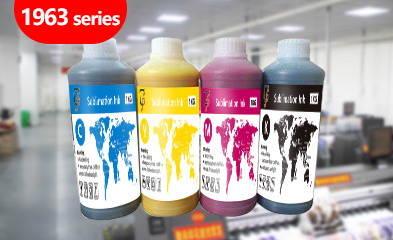
Fresh work in ink science has made thicker mixes. These mixes boost how rich the colors appear while they use smaller amounts of ink for every square meter. The new inks rely on solvents that treat the environment kindly. They stay safe and cause no harm. They open up a big range of shades that look lively.
Improved success in the transfer step also means less waste left on the paper. This point helps factories control spending when they run big jobs. High-density sublimation ink gives a fine example of this new thinking. It works steadily across many different print heads and still follows the safe rules needed for polyester bases.
How Does Automation Support Workflow Integration?
Tools that use AI for checking colors have become important now. They help keep every print looking the same even during long production days. Automatic feeding systems line up the material exactly when printing and when moving the design over. This stops fuzzy spots and wrong positions. Software that connects different parts links the design work with the final output steps. The flow feels easy from the first time someone loads the design file until the last check of the finished roll.
Automation brings more than just fewer hand tasks. It also lowers lost material because it spots trouble early in the making process. These clever answers change regular old print rooms into quick digital setups built for fast work and steady outcomes.
Why Are Environmental Considerations Central to Sublimation Printing Growth?
How Is Textile Manufacturing Shifting Toward Sustainability?
The textile business now deals with tighter rules that push for less water use and fewer gases that warm the planet. Sublimation printing clearly supports green aims. It needs no big water tubs or chemical cleaning steps while it runs. Old dyeing methods can use thousands of liters of water to color just one kilogram of fabric. Sublimation reaches the same bright look with nothing but dry heat.
We brought in one set of the most up-to-date coating lines for daily sublimation paper making from Germany. This choice shows a real promise to run production with lower energy needs. It wastes fewer resources yet still delivers the same steady quality every day.
What Strategies Support Recycling and Waste Reduction?
A growing number of makers now pick polyester mixes that can go back into use and still pair well with sublimation dyes. This choice backs the circular economy idea, where nothing gets thrown away for good. Smart layout programs help cut down leftover scraps. They lower the amount of material lost when workers cut shapes.
What Lies Ahead for Sublimation Printing Beyond 2026?
The wish for personal touches keeps spreading fast across countries. Because of that, it has a wider range of applications. Sublimation printing now reaches past regular clothes. It moves into sign boards, panels for room decoration, made-to-order curtains, and items given away for promotion.
Small desktop printers built for people just starting their own business will also spread out the work. They let tiny studios and new companies step into special markets without trouble. These printers use smaller copies of the bigger systems created by trusted names such as Changfa Digital.
FAQ
Q1: Why is sublimation printing preferred over screen printing for polyester?
A1: Sublimation makes smooth pictures that join straight inside polyester fibers. It adds no extra feel or layers. It also skips the extra heating steps that screen printing usually needs.
Q2: Can recycled polyester be used effectively in sublimation printing?
A2: Yes. Recycled polyester keeps the polymer build that works with dye-sublimation chemistry as long as the heat stays under good control.
Q3: How does automation improve profitability in digital textile operations?
A3: Automated checking cuts waiting time between different jobs. It also uses ink more wisely and lines up the base material correctly. Over many months this drops the extra costs that come from doing prints again or throwing away wasted material.


