


HOT SALE
APPLICATION
Phone:+86-15215969856 E-Mail: 396838165@qq.com
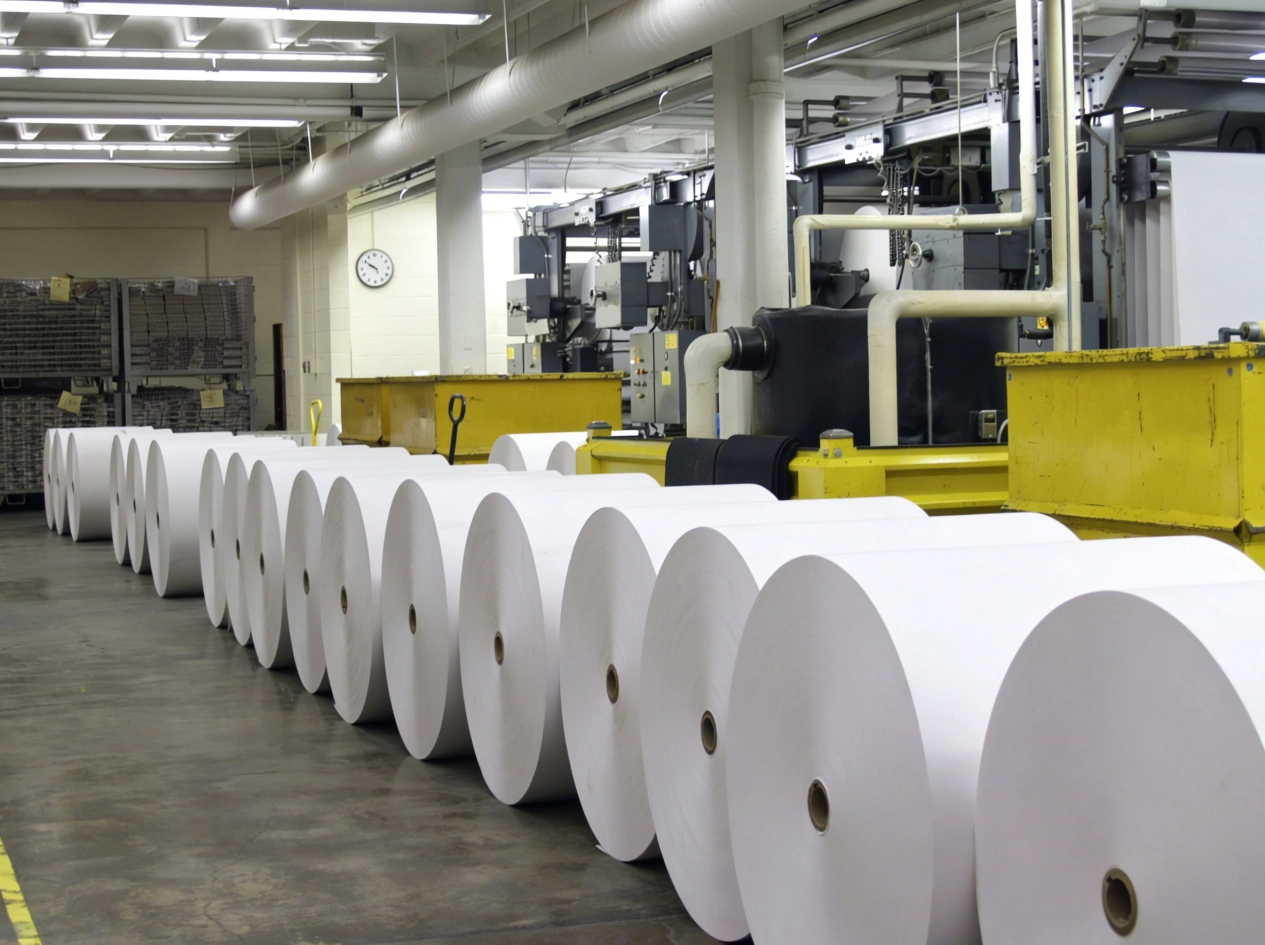
The personalized printing sector expands quicker than before in 2026. Items range from local team uniforms to custom room items and branded presents. The need for bright, enduring images drives print business operators to operate their equipment around the clock. Recent sector analyses indicate the worldwide digital fabric printing field will surpass the $6.5 billion level shortly. Yet, here comes a practical note for those in the trade. You might purchase a $50,000 factory printer. However, if you supply it with inexpensive, poor-grade paper, your end items will appear dim and amateurish. The key to lively hues, clear image elements, and rich dark tones rests not solely in the dye or the output device. It depends greatly on the surface that holds the dye. For this reason, locating a dependable sublimation paper manufacturer stands as the key choice for your operation this year. Your selection of paper affects aspects from your routine output pace to your end user approval. We will examine precisely what to seek. This way, you can satisfy your buyers, cut your everyday scraps, and maintain solid earnings in a tough market setting.
Core Qualities of a Top-Tier Sublimation Paper Manufacturer
Not every company selling paper actually makes it. When you partner with a direct sublimation paper manufacturer, you need to check their coating technology and base paper quality. These technical details directly affect how much ink ends up on your fabric instead of staying in the trash bin.
High Ink Release and Transfer Rates
When you print a design, the ultimate goal is to move as much color as possible from the paper to the final product. The best sublimation paper will offer a transfer rate of 95% to 98%. This means almost no ink is left behind on the paper after you press it. If you use a substandard dye sublimation paper, you might only get an 80% transfer. This leaves your custom t-shirts, metal panels, or ceramic mugs looking washed out and faded. A true manufacturer controls the micro-porous coating on the paper surface at a microscopic level. This special chemical coating grabs the ink droplets tightly during the printing phase so they do not bleed, but releases them completely when the heat press applies high temperatures. Because the release is so efficient, you actually save money on ink. You do not have to over-saturate your designs in the RIP software just to get bright, acceptable results.
Fast Drying Speeds for Modern Printers
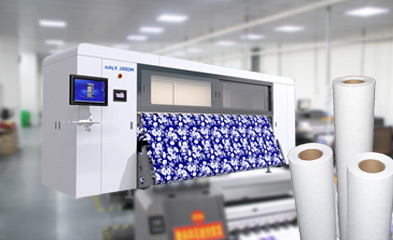
Industrial printers in 2026 are incredibly fast. Some multi-head machines spit out dozens of meters of printed graphics per minute. If your sublimation transfer paper takes too long to dry, the wet ink will smear as the paper rolls up onto the take-up reel. This ruins the entire batch and wastes expensive ink. A reliable factory formulates their surface coating to absorb ink instantly. You want a product that feels completely dry to the touch almost immediately after leaving the print head area. Fast drying prevents “ghosting” (shadow images) during the heat press phase and speeds up your entire production line. You can print a roll and press it immediately, rather than waiting hours for the moisture to evaporate in a drying room.
Strict Control Over Curling and Warping
Nothing is more frustrating in a print shop than a head strike. This expensive disaster happens when the edges of your paper curl up and physically hit the delicate printer nozzles. It can cause thousands of dollars in hardware damage and stop your production for days. Paper naturally reacts to the humidity in the air around it. A professional sublimation paper factory will treat their base paper and apply back-coatings to resist moisture changes. They test their rolls in different humidity levels, from dry 30% winter conditions to sticky 70% summer conditions, making sure the paper stays totally flat on the printer platen. Flat paper means safe printing, zero head strikes, less downtime, and much less stress for your daily machine operators.
Factory Direct vs. Trading Companies: Why the Source Matters
A big mistake many print shop owners make is buying from a middleman without realizing it. Working directly with a sublimation paper factory completely changes your cost structure and your ability to solve technical problems. Here is why you should skip the middleman whenever possible.
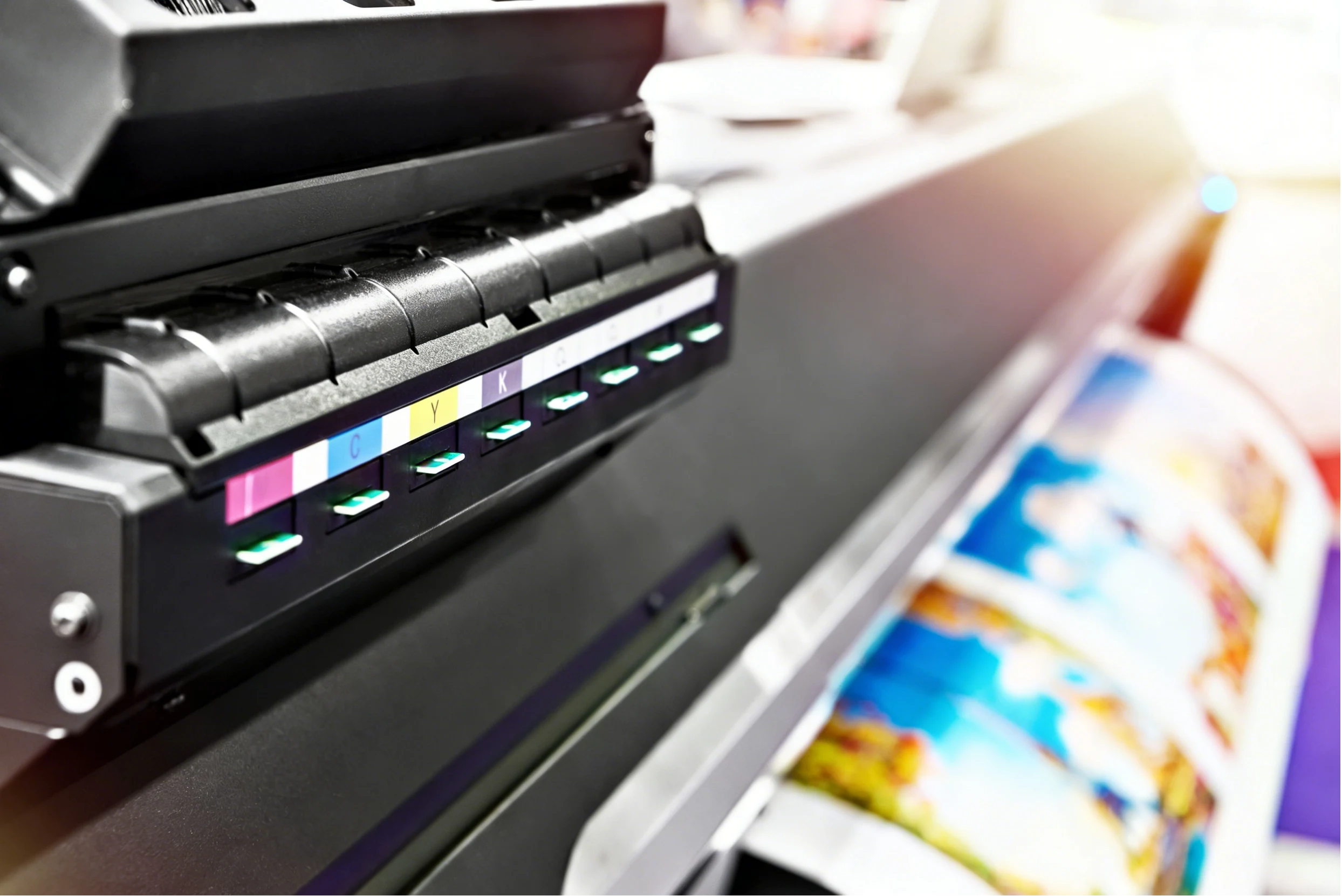
Better Profit Margins: When you buy from a local wholesale sublimation paper distributor, they add their own markup, sometimes marking the price up by 30% to 50% to cover their warehousing and sales team. Going straight to the source means you get factory-direct pricing. If you use 100 rolls a month, saving $15 a roll puts $18,000 back into your pocket every year. This extra margin can be used to grow your business, hire better staff, or offer more competitive prices to win large contracts from your own clients.
Customization Options for Your Workflow: Middlemen only sell what they have sitting on their warehouse shelves. A real manufacturer can make custom roll lengths, specific widths, or even adjust the stickiness of tacky paper to match your exact heat press requirements. If your specific calendar heat press works best with 10,000 meters of a specific 70gsm roll, a factory can run that exact line for you. This reduces the number of times your staff has to change rolls, saving hours of labor each week.
Direct Technical Support: If a batch of paper isn’t transferring colors right, a trading company has to call the factory, wait for a translation, and get back to you days later. A direct sublimation paper supplier has chemical engineers on-site. They can look at your printer settings, heat press temperature, and ink brand, giving you an accurate, technical answer in hours. They understand the science behind the paper.
Stable Supply Chain in Peak Seasons: During busy times like the holiday rush or major sports seasons, trading companies often run out of stock because they rely on other factories who are also busy. A dedicated manufacturer controls their own daily production schedule. They can prioritize your shipping containers to keep your business running smoothly when it matters most, meaning you never have to tell a client that you are out of materials.
Evaluating the Product Line of Your Sublimation Paper Supplier
Your business will likely grow and take on different types of jobs over time. A great partner should not just offer one basic product. A versatile sublimation paper supplier will have a deep catalog of weights and coatings to match whatever fabric or hard blank your customers ask for.
Different Weights for Different Printing Jobs
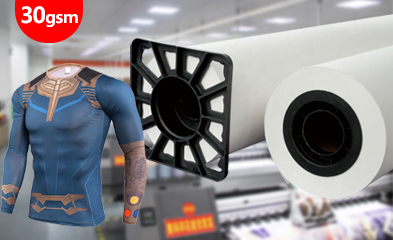
No uniform paper density fits every task ideally. Outputting on a flexible, elastic fitness garment demands a distinct method from outputting on a firm, even metal image board. A reliable provider supplies a broad array of densities. These typically begin with very thin 30gsm paper and reach thick 120gsm paper. Thin papers excel in large-scale, ongoing coil-to-coil cloth output, such as linens or quick apparel. They cost less for transport, occupy minimal room, and allow swift heat passage through the slim material. Thick papers retain vast dye volumes without creasing or bending. They serve as the top option for intense, full hues on goods like pottery cups, glass objects, and covered aluminum panels. Access to such options ensures you accept any buyer order.
Specialty Coatings Like Tacky Paper for Sportswear
As you apply patterns to sports clothing like Lycra or Spandex, the material often contracts a bit under intense warmth. If the surface moves even one millimeter during the material’s contraction beneath the device, you end up with a fuzzy, repeated-image issue known as ghosting. This damages the piece. Capable providers create adhesive or “tacky” dye sublimation paper to address this precise concern. The device’s warmth triggers a mild glue on the surface. It secures the surface steadily to the material throughout the full application. After cooling, it removes neatly without any glue marks. Supplying these progressed, issue-resolving items indicates the plant comprehends the routine challenges of a print operation. They develop formulas to resolve them actively.
Sustainability and Global Shipping Capabilities
Making a great product is only half the battle. In today’s market, your factory partner must also care about the environment and have the massive logistics power to get the product to your door safely. Let us look at these final, crucial factors before you sign a contract.
Eco-Friendly and Responsible Practices: Consumers in 2026 care deeply about the planet. Clothing brands want to know their custom clothes are made responsibly and safely. You should look for a manufacturer that uses sustainably sourced wood pulp and water-based, non-toxic chemical coatings. If your supplier is green, you can use that as a strong selling point to your own eco-conscious retail clients, giving you an edge over local competitors who use cheap, toxic materials.
Massive Production Capacity: A supplier might send you a beautiful, flawless test sample in the mail, but can they deliver a 40-foot shipping container of that exact same quality every single month? Ask about their monthly output. Top-tier factories produce millions of square meters. This massive scale proves they have the industrial machinery and the trained workforce to handle large, consistent orders without random delays or sudden drops in quality.
Reliable Export and Packaging Experience: Producing the surface is one aspect. Delivering it over water without harm is another. The finest allies employ focused export groups. They understand packing large coils in liquid-proof plastic wraps and sturdy paperboard cases. This prevents crushing or liquid uptake in a transport load. They manage intricate border forms smoothly. For instance, names like Changfa Digital earned firm worldwide standing. They do so not only by creating superior sublimation paper but by excelling in the worldwide transport required for business-to-business buyers globally. They offer straightforward updates, truthful timelines, and dependable paths. This safeguards your funds from the plant base to your storage entrance.
Conclusion
Finding the right partner takes time, but the business payoff is huge. Choosing a direct sublimation paper factory secures better pricing, faster technical support, and a stable supply chain. Always focus on technical details like transfer rates, fast drying speeds, and the variety of paper weights offered. Do not settle for suppliers who fail to meet environmental standards or lack global shipping expertise. If you want to upgrade your printing business with the best sublimation paper, consider working with a proven manufacturer. Explore the high-performance options at Changfa Digital and contact us to see how the right paper can transform your production quality, reduce daily waste, and significantly boost your bottom line.


