


HOT SALE
APPLICATION
Phone:+86-15215969856 E-Mail: 396838165@qq.com
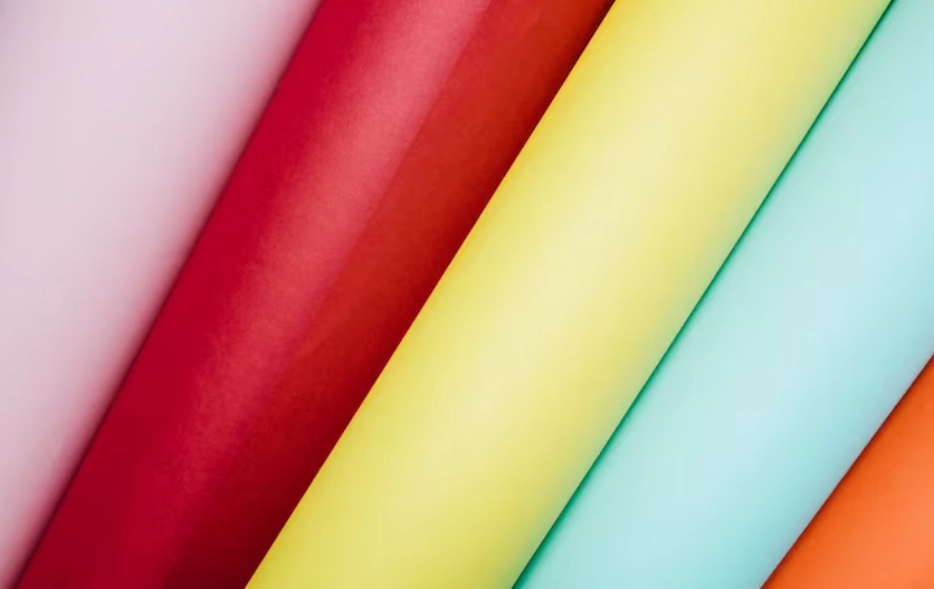
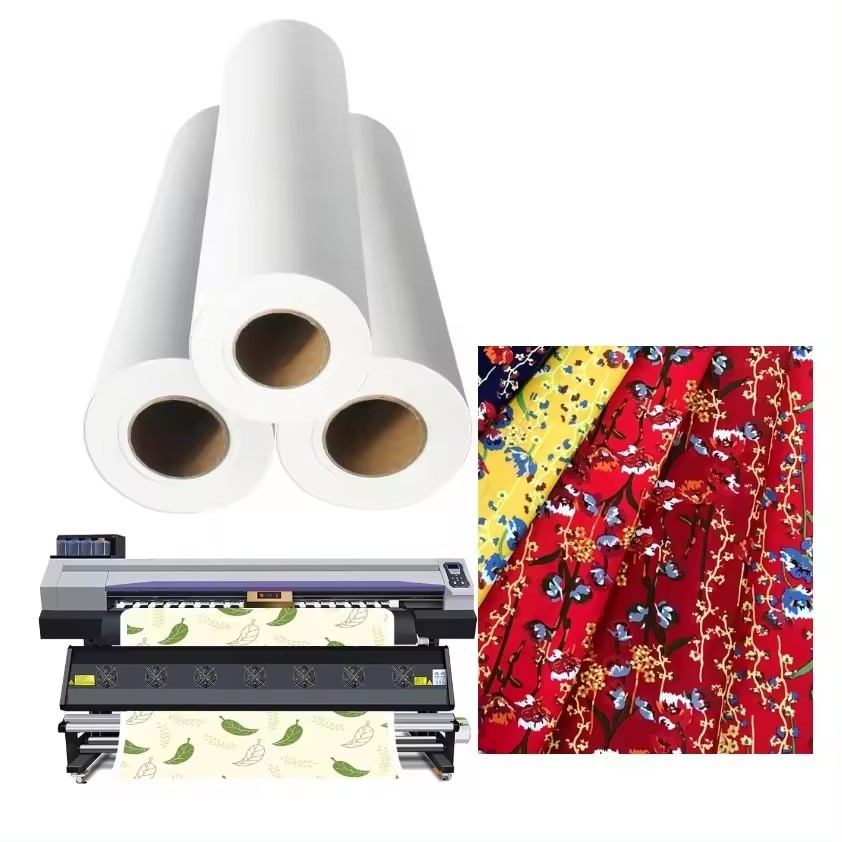
Dye sublimation transfer paper plays a key role in releasing creative possibilities in digital printing. Its coating, thickness, and ability to handle heat directly shape color correctness, clear details, and work speed. Good papers guarantee smooth ink spread, managed release, quick drying, and steady results across various printers, materials, and heat press settings. New developments in coating mixtures and base materials further widen color range, reliability, and eco-friendliness. Supported by modern production methods and years of knowledge, CHANGFA DIGITAL supplies steady sublimation paper options. These options help experts reach bright, exact, and growable creative outcomes.
What Makes Dye Sublimation Transfer Paper a Game-Changer in Digital Printing?
How Does Sublimation Transfer Paper Enhance Color Depth and Precision?
The core of dye-sublimation printing rests on the standard and build of the transfer paper. The coating method of sublimation transfer paper holds dye bits evenly on its top. This setup makes sure colors moved in the heat press step turn out lively and clear. Such even ink placement supports true showing of smooth color changes, shades, and tiny design parts.
The managed ink free and take-in traits of top sublimation paper prove vital for high-clear prints. These papers stop too much ink spread and keep the wholeness of fine artwork, mainly when printed at 360dpi or more. Even coating cuts ghosting and color leaks that matter greatly for expert-level results. This quality holds special weight in making items like sports clothes, flags, or flexible signs. In those cases, edge clearness and color purity need to stay perfect.
Why Is Paper Weight and Tackiness Crucial for Print Quality?
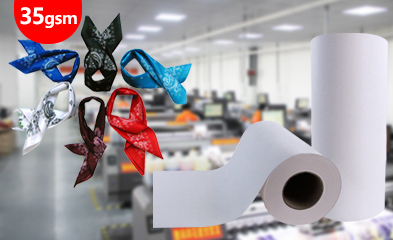
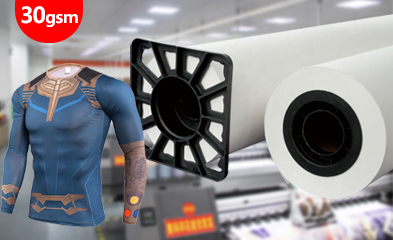
Various printing needs require different paper thicknesses and surface traits. Light sublimation papers, like 30Gsm Non-Tacky Sublimation Heat Transfer Paper, gain favor for quick drying skills and low wrinkling. These features help most in fast production places where output speed counts heavily.
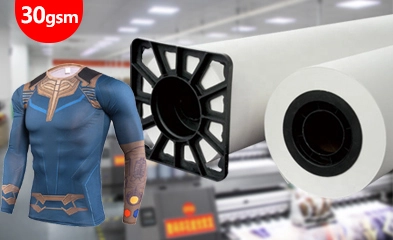
The non-tacky side of such papers helps keep image lineup steady. In the heat press part, sticky papers might move a bit if not set right. That shift causes fuzzy or wrong-placed prints. Non-tacky types make sure the paper stays put on the material during the whole transfer step.
Heavier paper thicknesses bring steadiness for big-size printing and tend to need more drying time. However, they give better shape hold, which helps stop folds or curls in transfer, the key for jobs covering wide areas.
How Can Professionals Choose the Right Sublimation Paper for Their Workflow?
What Role Does Drying Speed Play in High-Volume Production?
Drying speed decides much in large-scale printing setups. Quick-drying sublimation transfer papers let fast piling or rolling after print, avoiding smears or harm to image standards. Products like 100gsm Fast Dry Sublimation Paper Roll is suitable for high-speed industrial printers well, ensuring smooth heat transfer. Besides, they also allow the ink to fix onto the material without too much time.
Fast drying also leads to clearer image making, stopping ink from moving across paper fibers before transfer. This brings sharper dot shapes and general steadiness—signs of expert digital cloth printing.
Which Factors Should Be Considered Based on Fabric Type?
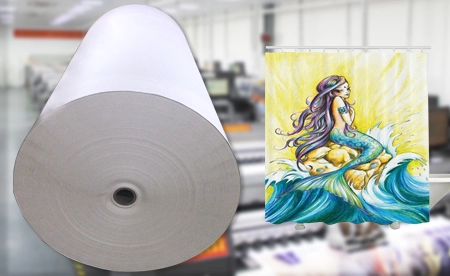
The pick of sublimation paper needs to match the cloth kind used. Polyester cloths lead dye-sublimation uses because of their man-made fiber makeup. That makeup builds strong links with sublimated dyes.
Polyester cloths call for papers tuned for man-made fiber stick. The coating mix of the paper shapes how deep and even dye bits enter the cloth, affecting color strength and washing resistance. For example, CHANGFA DIGITAL supplies many sublimation cloths like 100D Intelock and 36F Bird Eye. Each one fits different item needs, such as sports clothes or home materials.
Matching sublimation papers with these cloths guarantees best visual results and adds strength against outside factors like sun light or many washes.
How Does Equipment Compatibility Impact Output Quality?
Why Must Sublimation Paper Align with Printer Specifications?
Each printer type has its own nozzle setups and ink spread ways that sublimation paper has to for smooth running. Inkjet head setup impacts ink spread—paper must back even dot growth.
Papers that do not match printer rules might cause nozzle blocks or uneven ink lay, which lead to lines or bands on the end item. Machine fit also matters. The pull and feed systems in factory printers need sublimation rolls cut exactly and have to keep shape correctness over long runs.
CHANGFA DIGITAL is the professional sublimation paper manufacturer and supply the digital printing service for more than 15 years. It’s the factory for sublimation papers, from base paper to make coating and slitting and ship to all of the world. This full control makes sure their items meet strict rules at every step.
Is Heat Press Calibration Affected by Paper Selection?
Heat stand traits differ a lot among sublimation papers. The power of a paper to bear high heat without bending or burning shapes print wholeness straight. Heat stand of the paper sets transfer heat limits.
Poor paper might change shape under press, which may harm color truth and physical lineup on the cloth base. Steady setup across groups comes only with stable and trusty paper kind. Experts gain from picking papers that act predictably under heat stress, allowing repeatable outcomes in big production flows.
What Role Does Innovation Play in Advancing Sublimation Paper Technology?
How Are Manufacturers Enhancing Performance Through R&D?
Current dye sublimation transfer paper methods grow fast through new ideas in coating mixes and base items. Makers put money in research to better anti-curl traits. Meanwhile, they have to keep roll bendiness that is a vital balance for roll-feed print systems.
Better surface mixes back wider color ranges and smoother shifts in artwork copy. These steps let designers bring complex digital drawings to life without loss. Also, green concerns gain focus. Eco-friendly mixes cut harmful gas release in making and transfer parts, according with world pushes to lower nature harm while keeping top print results.
How Do These Innovations Translate to Real Creative Freedom?
Creative workers depend on steady, high-standard output to try bold designs with trust. Advanced sublimation papers lower risks like ghosting or color moves, giving full command over visual parts.
Artists can test tricky designs without fear of print twist or wrong place. This opens fresh chances in fashion, room decor, ad items, and custom goods. Steady results across different bases allow growable personal touches—a main need in today’s quick buyer markets.
Whether used on flexible signs or active clothes, advanced paper options give power to makers. They widen their design reaches.
Who Is Driving the Standard in Dye-Sublimation Excellence?
Why Is CHANGFA DIGITAL a Preferred Partner Among Industry Experts?
CHANGFA DIGITAL has gained respect in world markets as a trusty leader in dye-sublimation media methods. With over 15 years of skill in making sublimation papers from base mix to finished rolls, their knowledge covers every part of digital cloth printing.
Their item range builds to meet changing field needs—from super-light non-tacky papers perfect for sports clothes uses to quick-drying rolls made for large production places. The company’s setup includes 4 coating lines of CHANGFA DIGITAL, 4 slitting workshops, 10 slitting machines for 2 and 3 core of the packing rolls. This ensures growth ability and delivery trust.
We imported 1 set of the most advanced coating line for sublimation paper production daily from Germany. What really marks them out lies in their promise to buyer help. We provide 24-hour service, you can contact us in time if you have any questions. This makes sure clients worldwide get quick aid and tech advice.
Explore their full set of new sublimation items at CHANGFA DIGITAL, where modern build meets creative freedom.
FAQs
Q: Can dye sublimation transfer paper be reused after one print cycle?
A: No, sublimation paper is designed for single-use only; once the dye is transferred under heat, its coating loses effectiveness.
Q: Does humidity affect the performance of sublimation transfer paper?
A: Yes, high humidity can cause premature ink dispersion or curling; proper storage in a controlled environment preserves quality.
Q: Is it necessary to use different sublimation papers for rigid surfaces versus textiles?
A: Yes, rigid substrates often require specialized coatings or films; standard textile sublimation papers are optimized specifically for fabric-based applications like polyester garments or home decor items.


