


HOT SALE
APPLICATION
Phone:+86-15215969856 E-Mail: 396838165@qq.com
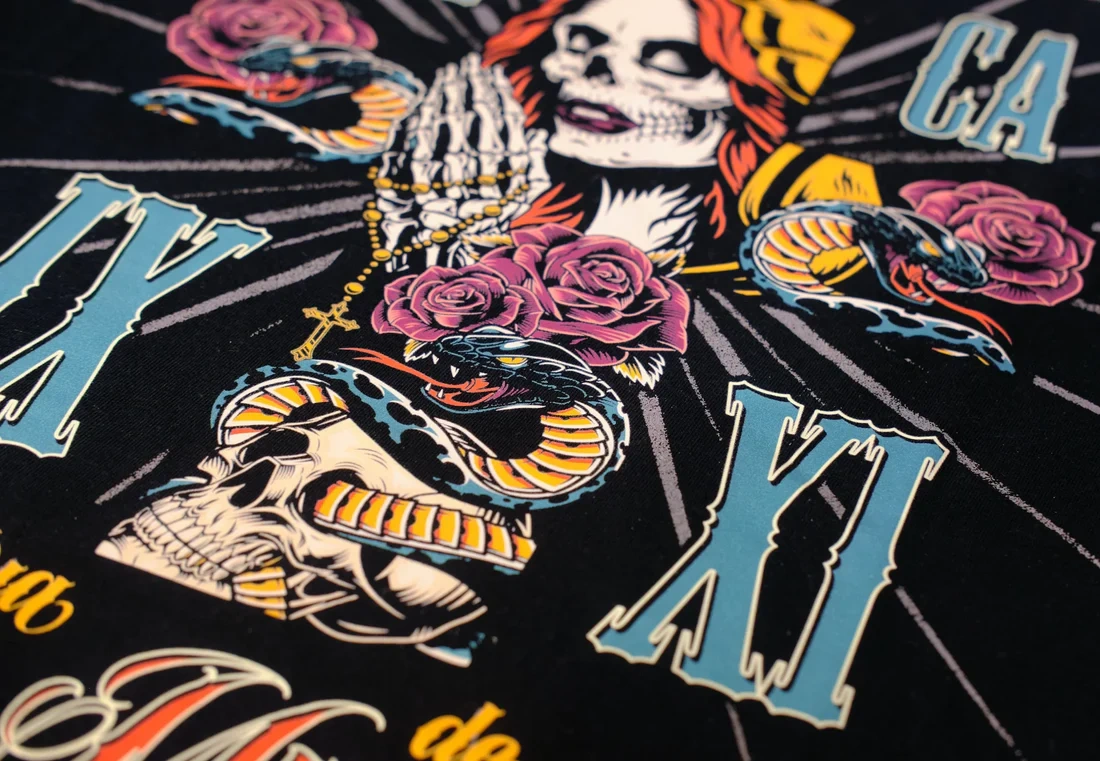
Walk into any printing trade show this year, and you will see the exact same thing: massive crowds gathered around Direct-to-Film equipment. The custom apparel printing market is booming, and it is expected to cross $45 billion globally in the next few years. But here is the problem most print shop owners face today. They buy a brand new machine, load up their software, and immediately start printing standard white cotton T-shirts. That specific market is incredibly crowded. When you sell basic tees, you end up fighting with a dozen other local shops over a $2 price difference. You are working harder, not smarter.
If you want to build a truly successful print shop, you need to step away from the crowd. You need fresh DTF business ideas that target buyers with bigger budgets. In this post, we are going to break down exactly how to find profitable DTF products that will completely change your profit margins.
Why Moving Past Basic Tees is the Smart Play
T-shirts are a great starting point, but the local competition is just too fierce. If you only print basic promotional shirts, your profit margins eventually shrink down to pennies per garment. Expanding your product line opens up completely new revenue streams for your shop, and the best part is that you do not even need to buy new machinery to do it.
Let’s talk about real numbers for a second. An average blank cotton T-shirt might cost you around $3.00. Add in the cost of your film, ink, and powder, plus your labor, and you might have $4.50 tied up in that shirt. If you sell it for $15, you make about $10.50 in gross profit. That is fine if you are printing 500 shirts a day. But what if you are a smaller shop?
Now, look at heavier garments or specialty items. A decent blank jacket might cost you $20. The print costs exactly the same amount of money—maybe $1.50 in supplies. But you can easily sell a custom printed jacket to a local business or clothing brand for $65 or even $80. You just made $40 to $60 in profit for the exact same amount of time spent at the heat press.
This is exactly why finding unique DTF printing niches is a survival tactic. Direct-to-Film technology is famous because it sticks to almost any fabric. Unlike sublimation, which only works on light-colored polyester, or screen printing, which is a nightmare to set up for small runs, you can print on dozens of different materials on the same day.
High-Margin Apparel That Buyers Actually Want
Clothing will always be the backbone of any custom print shop. However, modern buyers simply want more than a cheap, thin promotional shirt today. They expect premium blanks, heavy winter gear, and unique outerwear that tells a story. Let’s look at some of the best DTF printing niches in the apparel space that command top dollar.
Cash In on Custom DTF Hoodies
Hoodies and heavy sweatshirts are massive money-makers. Streetwear brands, high school sports teams, and local construction companies buy them by the box. The beauty of custom DTF hoodies is the high perceived value. Customers expect to pay $50 to $75 for a thick, custom-designed hoodie.
When pressing on thick fleece or heavy cotton blends, the quality of your supplies really shows. Cheap ink will crack when the customer pulls the hoodie over their head. You need high-stretch ink and premium hot-melt powder to make sure the design moves with the heavy fabric. Pressing usually requires a bit more pressure than a T-shirt, and sitting at about 320°F (160°C) for 15 seconds works beautifully.
The Magic of DTF on Denim
Denim jackets, jeans, and heavy canvas aprons are incredibly popular right now, especially for boutique fashion brands and motorcycle clubs. If you try to screen print over the thick seams and pockets of a denim jacket, you will ruin the screen and the print will look terrible. Sublimation is completely useless here because denim is made of heavy cotton.
Doing DTF on denim solves all these problems. The film acts as a bridge, allowing the ink to sit perfectly flat even if the fabric underneath has a rough texture. A blank denim jacket might cost you $25 wholesale, but a boutique will happily pay $90 to $120 for a custom back-piece. Just remember to use a pressing pillow inside the jacket to raise the print area above those thick metal buttons and double-stitched seams.
Activewear and Performance Gear
Gym owners and personal trainers always need branded clothing. The problem with activewear is the material. Spandex, nylon, and moisture-wicking polyester are notoriously difficult to print on. Screen printing ink feels too heavy and blocks the fabric from breathing.
Direct-to-Film is light enough that it doesn’t ruin the stretch of the clothing. This is one of those profitable DTF products that brings repeat business. Once a local gym knows you can print on their stretchy yoga pants and nylon windbreakers without the logos peeling off, they will order from you every single season.
Everyday Accessories with Huge Markup Potential
You do not have to stick exclusively to clothing to make real money in this industry. Everyday accessories are incredibly cheap to buy blank from wholesalers, but they can be sold for a massive premium once you add a killer custom design. These items are perfect for bulk B2B orders or selling at local craft events.
Tapping into DTF Tote Bags
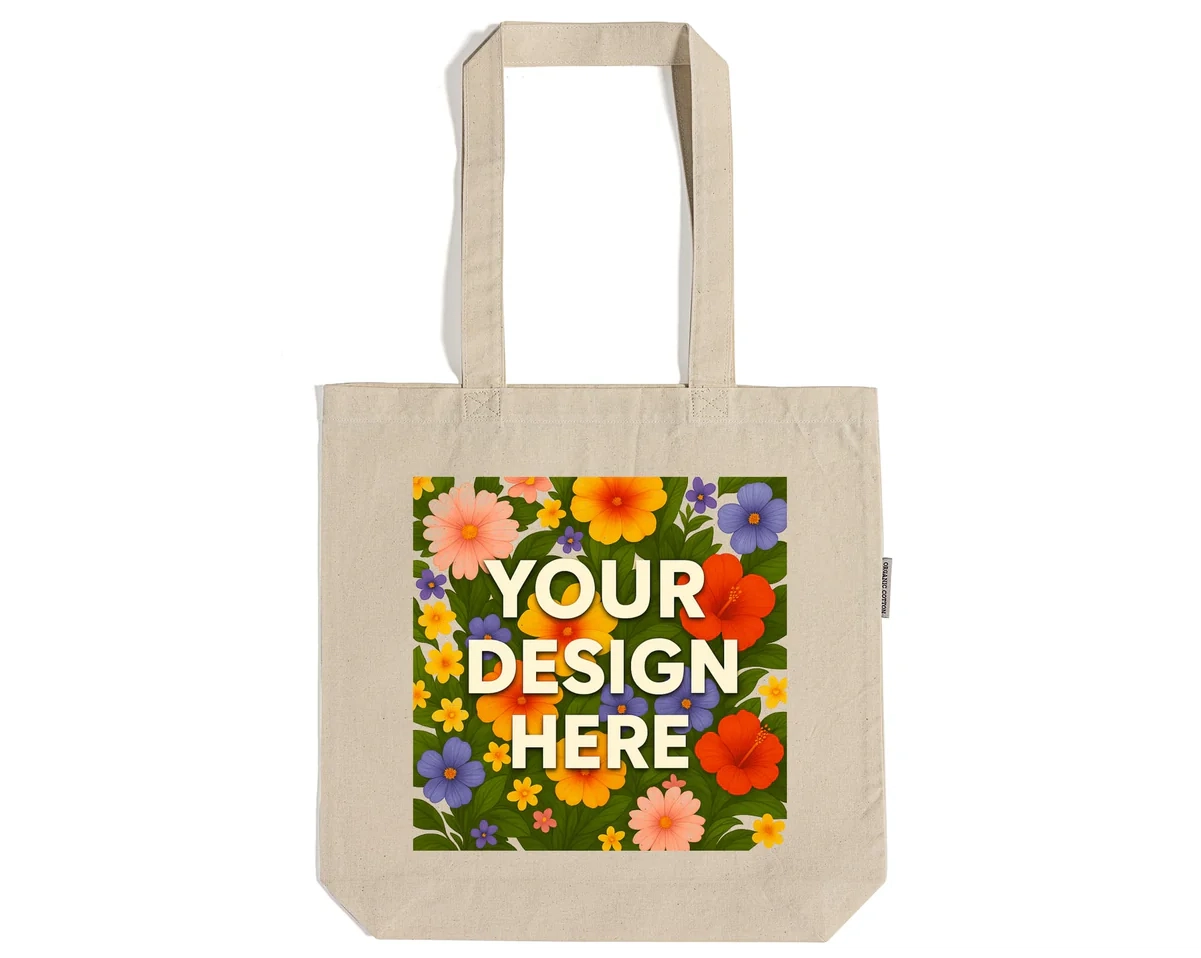
The push for eco-friendly shopping has made reusable bags explode in popularity. Local coffee shops, bookstores, and corporate event planners buy canvas bags by the hundreds. Printing DTF tote bags is arguably one of the easiest ways to boost your daily revenue.
A heavy 100% cotton canvas tote bag blank costs around $1.50 to $2.00. Since they lay completely flat, you can press them rapidly. You can easily sell a printed tote for $15 to $20 at a retail level, or $8 to $10 each for a wholesale B2B order. Because canvas is a rough material, you want to use a generous amount of medium-ground adhesive powder so the design really bites into the woven fibers.
Blankets and Home Decor
People love custom home goods. Throw blankets, canvas pillow covers, and thick fabric table runners are fantastic DTF print ideas, especially around the holidays. A lot of print shops ignore this market entirely because they think their heat press is only meant for clothing.
Fleece and woven cotton blankets take DTF transfers extremely well. You can print large family photos, custom artwork, or sports team logos. Because home goods are seen as “gifts,” customers are far less sensitive to price compared to buying a T-shirt.
Unconventional Items That Surprise Customers
Want to really stand out from the shop down the street? Start offering custom products they haven’t even thought of yet. DTF technology is highly flexible. As long as the material can handle the heat of your press for 10 to 15 seconds without melting, you can probably print on it. Exploring these weird and wonderful DTF business ideas makes your shop the go-to place for special requests.
- Pet Apparel:The pet industry is worth billions. Dog bandanas, pet sweaters, and even little custom collars are hugely popular. A blank dog bandana costs less than $1.50, and you can press a small, leftover transfer on it and sell it for $12. It is pure profit.
- Mouse Pads and Desk Mats:Gaming and office setups are huge right now. Large neoprene desk mats are cheap to source. Neoprene can handle the heat of a press just fine. You can offer full-color, high-resolution prints for corporate offices or local gaming tournaments.
- Faux Leather Patches:Yes, you can press onto leather and faux leather if you are careful. Drop your heat press temperature down to about 275°F (135°C) and reduce the pressing time to 8-10 seconds. You can create amazing custom patches for hats and bags this way without buying an expensive embroidery machine.
- Umbrellas and Rain Gear:High-end golf courses and corporate hotels love branded umbrellas. Nylon rain gear works well with DTF, just make sure to test a small corner first to figure out the exact temperature that will not melt the waterproof coating.
To pull off all of these different applications without ruining expensive blanks, your consumables really matter. You cannot use the cheapest ink on the market and expect it to stick to both a stretchy yoga pant and a rough canvas bag.
This is exactly where partnering with a reliable supplier makes all the difference. At Changfa Digital, we hear from print shop owners every week who are tired of inconsistent results. Our premium DTF inks are formulated to provide maximum stretch and color brightness across dozens of different fabric types. Combined with our high-quality PET film—which offers a clean, anti-static peel—you can confidently say “yes” when a client asks if you can print on a weird or heavy material. You keep your defect rate near zero, and your profits stay in your pocket.
Conclusion
Breaking out of the T-shirt trap is the fastest way to grow your bottom line this year. By testing out custom DTF hoodies, heavy denim, canvas bags, and even pet accessories, you instantly separate your brand from the cheap competitors in your town. The beauty of this technology is that testing these new markets costs almost nothing—just buy a few cheap blanks and use the gang sheet space you already have.
If you are ready to expand your catalog and need reliable, professional-grade supplies that actually stick to these tough materials, we are here to help. Reach out to the team at Changfa Digital today to get a quote on our premium DTF inks, films, and powders built for serious print shops.


