


Penjualan Panas
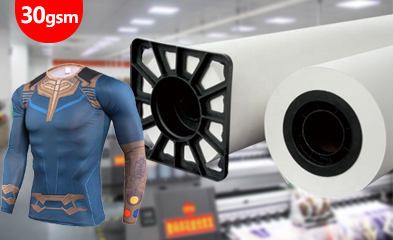
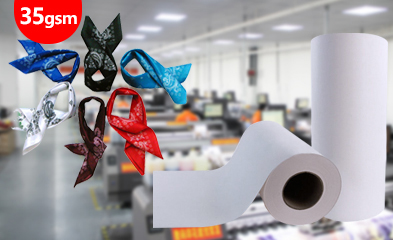
Aplikasi
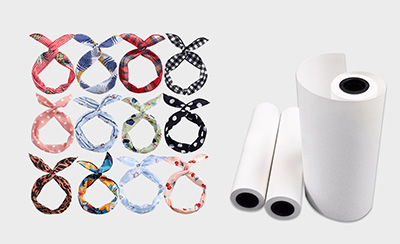
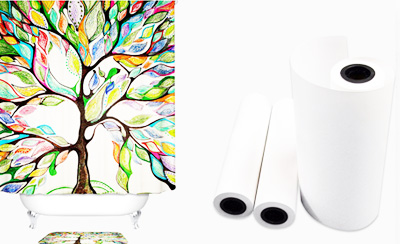
Phone:+86-15215969856 E-Mail: 396838165@qq.com

For a polyester job that needs no temporary grip, Changfa Digital 30gsm non-tacky sublimation paper is a candidate for a controlled comparison. It is not a universal residue cure. Excessive heat exposure or an incompatible receiving surface can still leave paper bonded after pressing, so the replacement must suit the actual surface and carry the image’s ink load.
We supply this lighter grade for polyester and disperse-ink work with a steady ink load. When sublimation paper sticking to fabric interrupts production, the useful outcome is an appropriate paper choice with acceptable release, developed color and an intact surface. A lighter sheet that peels more easily but cannot carry the design has not solved the order.
The Required Grip Determines Which Paper Is Worth Comparing
Temporary tack is useful only when the job needs it.
Tacky paper holds the textile against the transfer while heat develops the image. That grip helps limit movement. If the sheet then releases as its supplier specifies, its temporary hold is different from fibers bonded to the finished face. A job that depends on this hold should not automatically replace it with non-tacky paper.
Examine both sides of a failed transfer before deciding which behavior occurred. Loose fibers, a bonded paper layer and a lifted surface film are different observations. Paper and cloth can also rise together as the press opens, move and produce a second image without depositing fibers. Keep those descriptions separate; the same adjustment will not necessarily address each result.
Our 30gsm non-tacky grade needs a suitable load and storage condition.
Kami non-tacky sublimation paper gives a job without a grip requirement an identified candidate to compare. The 30gsm grade’s coating is positioned for a steady ink load on polyester. Non-tacky describes the paper choice; it does not establish compatibility with every film or coating that may cover the textile.
Keep this grade sealed before printing. Its water absorption can cause warping or curling when exposed to moisture. That handling condition belongs in the paper trial, so a poorly stored roll is not treated as equivalent to a properly stored reference. Curl before printing and bonded residue after pressing remain distinct observations. Finding one does not prove the cause of the other.
The Receiving Layer and Heat Cycle Must Explain the Residue
The paper contacts the receiving layer rather than the fabric label.
On cotton carrying a sublimation-compatible film, the paper touches the film. The cotton composition does not establish the layer’s heat response or separation method. Identify the layer and use its actual instructions before trying another transfer. More heat cannot explain a pairing whose receiving surface is still unknown.
A conventional polyester textile route uses compatible paper and CMYK sublimation inks. Adding a receiving layer changes the contact surface. A recipe accepted on uncoated polyester therefore does not approve the layered construction. Keep the paper discussion tied to what its printed side will touch, rather than assuming the same fiber label makes two transfer routes equivalent.
A controlled press comparison must change one supported variable.
Temperature and dwell act together. Paper browning can accompany excessive exposure, and a receiving surface may react before obvious scorching appears. Compare the recorded cycle with the guidance for the particular paper and surface. Where the equipment supports temperature verification, use that method before interpreting a changed setpoint; the display alone does not establish conditions at the contact area.
Keep the artwork, material lot, paper and other settings fixed during the chosen comparison. Pressure affects contact and separation, but reducing it indiscriminately can leave an uneven print. Follow the material’s specified separation timing, including any immediate-removal or cooling direction. If heat, pressure and removal timing all change together, a better sample cannot identify the effective change. Repeat a useful result under the same identified conditions.
A retained paper reference can separate the next decisions.
If residue remains after a supported adjustment, compare the suspect paper with a retained approved paper on the same surface and heat cycle. Improvement with the reference helps isolate a paper-related interaction. Failure with both papers returns attention to the receiving surface or process. Neither outcome proves that a paper is universally suitable or defective.
Photograph the paper face and receiving area before cleanup, including an unprinted edge where possible. Residue limited to a layer or part of the artwork gives a different lead from fibers spread across the contact area. Retain the pattern as evidence without treating it as proof of a particular cause.
The Replacement Must Preserve Color and Surface Integrity
Easier release does not justify insufficient ink holding.
The paper comparison must include the design’s actual coverage. A light line drawing cannot approve a replacement for a heavily inked production area. Include the area associated with the original residue and assess the transferred textile after its prescribed handling.
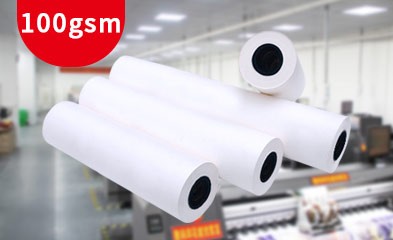
Our 100gsm paper has a coating intended to hold rich ink loads for full-coverage work, including sportswear, banners and flags. That is a different loading proposition from the lighter 30gsm grade. A rich-coverage job should not move straight to lighter non-tacky paper solely to obtain easier separation. Compare ink holding and the developed image as well as release. Specify tack separately from ink holding; a higher paper weight alone cannot cure an incompatible surface.
Persistent surface damage is a reason to hold the combination.
Repeated bonded fibers, lifted coating or textile damage are reasons to hold the same material combination out of bulk production. Acceptable color cannot compensate for a damaged face. Preserve the failed transfer and a passing reference where available, and separate suspected material from approved stock while the comparison is resolved.
Avoid scraping, unapproved solvents or repeated rubbing as a production remedy. Removing visible paper does not establish a saleable finish and may destroy useful evidence. Commit the replacement paper to production with an intact sample that meets the order’s color and release requirements. The purchasing decision needs that result, not merely a different grade name on the next roll.
Kesimpulan
Request an appropriate paper sample using the failed transfer, identified materials and actual press record. Send our team the paper grade and batch, fabric and coating or film identity, ink coverage, recorded heat and pressure, and separation method, with residue photographs or the retained transfer. Those details support the same non-tacky-versus-ink-load comparison described here, so the next paper order addresses the actual job rather than an assumed universal cure.
Pertanyaan FAQ
Q1: Does non-tacky mean that a paper cannot leave residue?
A1: No. It identifies a paper grade without the intended temporary grip. Receiving-layer compatibility, heat exposure and separation conditions still matter. Our 30gsm non-tacky grade is a comparison candidate where its loading and handling requirements fit; its name is not a guarantee of clean release on every surface.
Q2: Should a heavy-coverage job switch straight to 30gsm paper?
A2: No. The lighter grade’s steady-load positioning must fit the artwork. Our 100gsm paper is a richer-ink candidate. Keep tack a separate requirement and approve the image, release and intact surface together rather than choosing by weight alone.
Q3: What information makes a replacement-paper enquiry useful?
A3: Provide the paper grade and batch, fabric composition, any coating or film identity, artwork coverage and actual heat, pressure and separation record. Photographs and a retained failed transfer keep the paper discussion tied to observable residue and the actual receiving surface.


