


HOT SALE
APPLICATION
Phone:+86-15215969856 E-Mail: 396838165@qq.com
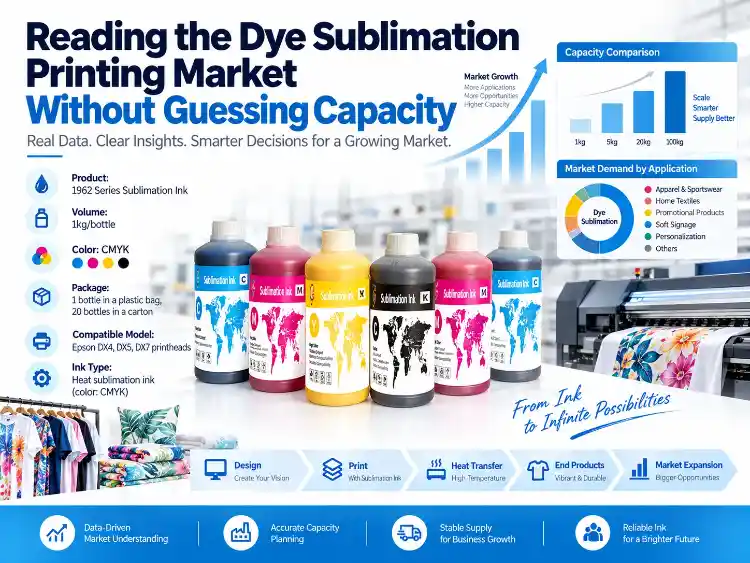
A large forecast can make a print business feel late. It cannot tell the owner whether to add a wider machine, hire another operator, or change a transfer paper. The dye sublimation printing market becomes useful only after its broad growth language is connected to the orders, fabrics, widths, and approval cycles that reach a real production floor.
That translation is the purpose of this review. It starts with the market segments that create demand, explains the transfer process behind those products, and then turns the evidence into capacity decisions that can be tested before money is committed.
Start With the Market Segments That Reach Your Order Desk
Apparel, Home Decor, Soft Signage, and Promotional Work
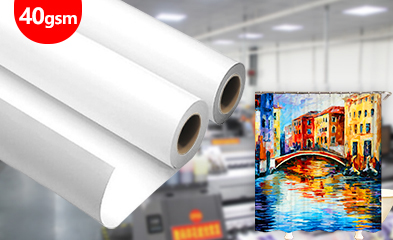
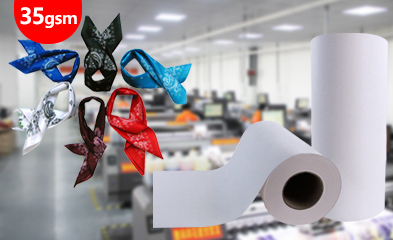
The market covers more than sportswear. Fashion panels, home textile prints, flags, banners, soft signage, and promotional goods all use disperse dye on polyester or compatible coated surfaces. Each category creates a different production rhythm. Apparel can involve fast design turnover and repeated size sets. Home decor may demand wider panels and consistent color across long repeats. Signage creates pressure around panel dimensions, finishing, and delivery dates.
Promotional products can be especially uneven. A single event may generate a burst of short custom runs, while a successful campaign produces repeat orders in several colorways. The segment matters because the same headline demand can require different equipment, labor, and quality controls.
Why a National Forecast Rarely Fits One Print Floor
Published studies use different geographic scopes, product definitions, channels, and revenue boundaries. One may count equipment, consumables, software, and service. Another may focus only on printed output. A market size or growth rate can therefore change without any change in the next order arriving at a specific shop.
Use the report as context, then inspect your own inquiry log. Record the width, fabric, order length, repeat rate, and finishing requirement behind each job. Those details reveal the capacity decision that the broad forecast hides.
What Is Dye Sublimation Printing in a Market Context?
The Transfer Mechanism Behind the Demand
Dye sublimation printing uses heat to convert disperse dye into gas. That gaseous dye bonds with polyester or a compatible polymer surface. The image normally travels first to transfer paper, where temperature, pressure, time, ink load, and paper release determine how much dye moves into the fabric.
The process appeals to product developers because it can create full-surface color with a soft hand feel. It also creates a production dependency: the printer, ink, paper, fabric, and transfer line form one system. Demand for the finished product therefore creates demand for several consumables and process controls at the same time.
Applications Where the Method Earns Its Place
Sublimation works well when the substrate accepts disperse dye and the product benefits from all-over color without a heavy printed layer. It does not become the correct choice merely because a buyer requests a colorful fabric. Cotton-rich materials, incompatible coatings, and products that cannot tolerate the transfer process may need another decoration method.
This boundary keeps market analysis honest. Growth in polyester sportswear or home textile work can support a sublimation investment. Growth in a different product category may not create the same demand unless the substrate and finish fit the process.
Four Signals That Matter More Than a Headline Growth Rate
Repeat Order Frequency
A repeat order shows that the customer accepted the color, hand feel, price, and delivery rhythm. Track how often the same design or product returns, how much the order changes, and how long approval takes. If repeat frequency rises while average run length falls, the bottleneck may be changeover speed rather than total print capacity.
Fabric and Width Shift
Watch the width and construction of incoming work. A move toward wide panels can justify a different printer or roll format. A move toward stretch knit or lightweight fabric can change tension, transfer pressure, and handling even when the printer stays the same. The useful signal is not how many fabrics you can print; it is which ones return often enough to affect yield.
Sample Approval Load
Every approval sample consumes machine time, paper, ink, and operator attention. When variety increases and approval cycles shorten, sample work becomes a real capacity load. A stable ink and paper combination can reduce repetition, but the shop still needs a record of who approved each substrate and which transfer settings produced that result.
Finishing and Delivery Pressure
Printing is only one part of the order. Cutting, sewing, edge finishing, packaging, and shipping can decide whether a new market opportunity is profitable. If the work arriving from a growing segment places more pressure on finishing than on printing, another printer may not solve the problem.
How Demand Signals Turn Into Equipment Decisions
Match Printer Width to the Real Order Mix
The CF-8000 digital printer is presented for wide-format polyester textile production. The product center provides the current machine, ink, and paper categories for comparison. Before adding capacity, compare actual fabric widths, repeat lengths, daily output, labor, and finishing flow. A wide printer earns its place when the order mix uses the width often enough to reduce seams or handling.
Machine width alone does not prove the right investment. The printer must also fit the shop’s substrate range, color workflow, maintenance capability, and available floor space.
Define Ink and Paper After the Printer
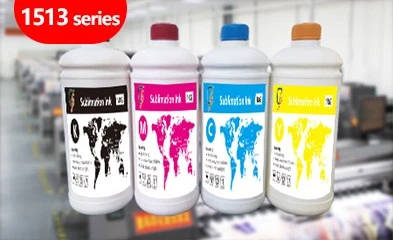
Ink follows the printhead, fabric, color target, and expected run length. The 1962 Series CMYK sublimation ink is listed for CF-6000 and CF-8000 printer families. That scope is the starting point, not a substitute for testing on the actual production line.
Transfer paper then determines how the image reaches the textile. A 100gsm sublimation paper roll is one option for workflows that need a heavier paper grade. Paper grade, coating, width, and core need to match the printer and transfer equipment.
A Capacity Review That Limits Expensive Guesses
Run Sample-to-Bulk Trials
Test the proposed printer, ink, paper, and fabric as one system. Use a target image at the start, middle, and end of a production run. Compare color, sharpness, hand feel, edge quality, and defects after transfer. Set acceptance limits before the trial so the decision does not depend on a general impression.
Verify Supply, Parts, and Operator Readiness
New capacity creates a new consumables and service relationship. Review ink and paper packaging, roll handling, spare parts, maintenance access, and operator training before accepting a customer deadline. A trend can justify investment, but repeat production depends on the supply chain and the team’s ability to keep the line stable.
Conclusion
This market is most useful when it is read as a set of order signals. Repeat frequency, fabric width, sample load, and finishing pressure show where capacity is actually constrained. Test the printer, ink, paper, and fabric as one system before committing to a wider line or a new consumable format.
Send the current order mix, fabric widths, repeat lengths, printer model, printhead, ink series, paper grade, finishing process, and expected monthly volume to Changfa Digital. Those details provide a more reliable basis for comparing the relevant printer, ink, and paper options than a broad market figure alone.
FAQs
Q1: Does a growing dye sublimation market mean every print shop needs a wider printer?
A1: No. The printer must match the actual order widths, repeat lengths, fabric mix, finishing flow, and available labor. A broad market figure does not prove that a wider machine fits one shop.
Q2: What is dye sublimation printing?
A2: It is a heat-transfer process where disperse dye becomes gas and bonds with polyester or a compatible polymer surface. The image is usually printed on transfer paper before it reaches the fabric.
Q3: Which market signal deserves the most attention?
A3: Repeat order frequency often carries more value than one large inquiry. It shows that a customer accepted the color, product, and delivery result and may return with similar work.


