


HOT SALE
APPLICATION
Phone:+86-15215969856 E-Mail: 396838165@qq.com
Why Is Sublimation Paper Crucial for High-Quality Fabric Printing 2026
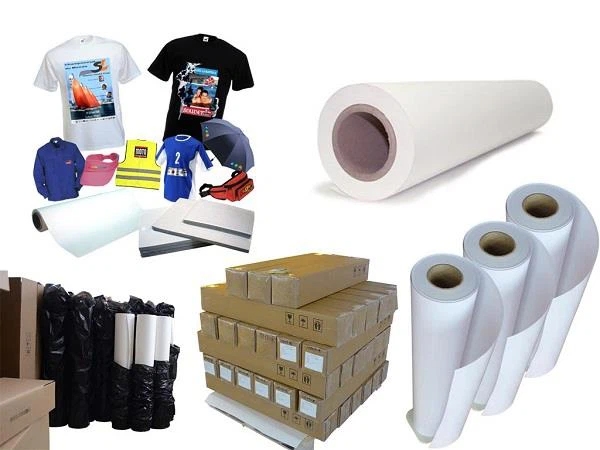
In 2026, people no longer evaluate high-quality fabric printing just by vivid colors or appealing designs. They also want sharp details, reliable color transfer, a soft feel on the fabric, and strong results after many uses. Sublimation paper holds a vital position in this method since it influences how well ink shifts from the paper to the fabric.
Understanding High-Quality Fabric Printing in 2026
The textile printing field keeps changing quickly, fueled by digital tools, green goals, and customer needs for custom items. By 2026, top approaches for high-quality fabric printing will rely on accuracy, earth-friendly supplies, and smart machines. These elements help create prints that meet modern standards.
The Evolution of Fabric Printing Technologies
Fabric printing has moved away from old rotary screen techniques to quick digital and sublimation setups. Such changes let makers get fine details, quicker completion times, and less scrap.
Linking digital inkjet tools with sublimation methods marks a key feature of future printing. It supports smooth color shifts and better picture sharpness on polyester fabrics, all while cutting chemical needs. Current trends highlight green inks, nature-safe carriers, and power-saving steps as main factors for success in 2026.
Defining Quality Standards in Fabric Printing
Top textile prints follow certain measures: true color matching, lasting strength after washing or sun exposure, and keeping the fabric’s natural touch. Textile materials after transferring can achieve a sun protection level of 6 and a wash resistance level of 4 to 5. These clear benchmarks prove how tough prints hold their brightness even through multiple washes.
Ink recipes matter a lot in getting steady outcomes on different bases. Matching ink makeup with fabric type makes sure colors stay bright without spreading or losing strength. New standards may cover longer wash tests, green label approval, and computer-guided color adjustments that promise even results in large batches.
Exploring Sublimation Printing as a Core Method
Sublimation printing stays key for making lively patterns on fabrics thanks to its deep dye attachment at the fiber level. Experts see it as one of the top ways for high-quality fabric printing in 2026, as it blends speed with care for the environment.
How Sublimation Printing Works on Textiles
Sublimation turns solid dye into gas with heat, skipping the liquid phase. This gas soaks into polyester threads for good, giving bright colors that won’t split or flake. The method needs exact handling of heat (often near 190–210°C), even pressure, and a set time in transfer to allow full dye entry into the fiber structure. Unlike pigment or screen printing, sublimation skips water use and extra steps, and it gives top sharpness on man-made fabrics like sport clothes or signs.
Selecting the Right Sublimation Paper for Optimal Results
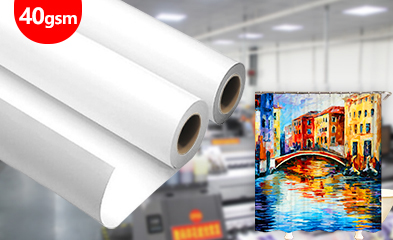
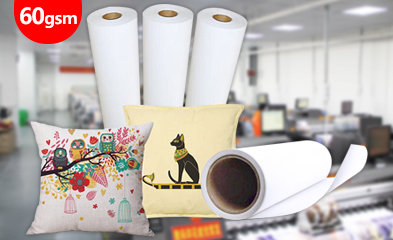
Picking the proper sublimation paper matters greatly for the best print sharpness and transfer success. Each weight level changes how fast ink soaks in and dries—thinner sheets like 40 GSM sublimation paper work well for fast production lines that need quick release. Thicker types offer more firmness in long jobs or with heavy-ink images, such as photo-based fabrics.
Characteristics of High-Performance Sublimation Paper
An even coating spreads ink steadily over big prints while keeping crisp lines at tiny scales. Resistance to dampness proves important in changing humidity found in factory spaces; papers should avoid curling or folding during heat transfer rounds.
Matching Paper Type with Fabric Composition
How sublimation paper works with the base material sets the final picture quality. Polyester cloths take in dyes well because of their heat-moldable quality; mixes might need changed heat levels or extra prep layers to get close outcomes. Makers of workout gear or flexible clothes often adjust settings based on stretch—for instance, they use less force on spandex-heavy items to stop twisting.
Techniques for Achieving High Efficiency in Fabric Printing
To boost efficiency, makers mix machine tuning with smart process controls that cut waste and ensure steady quality in groups.
Optimizing Printer Settings for Sublimation Output
Setting up printers starts with matching color profiles made for certain ink-paper pairs. Routine checks on spray tips stop blocks that might cause stripe marks in ongoing work. Regular care—like wiping seal areas or watching moisture near printers—lengthens machine life and keeps color truth steady over periods.
Temperature and Pressure Management During Heat Transfer
Settings on heat presses shape how complete the transfer is and how deep the look appears. Keeping ideal heat levels (near 200°C) lets dyes change fully without burning threads. Even pressure spread stops shadow images—faint copies that show up—and makes sure dyes go evenly over the cloth’s span. Timing counts just as much; too little cuts fullness, but too long can harm fibers.
Workflow Automation and Digital Integration in 2026
Smart systems now help with forward-thinking print handling by checking live data from sensors on printers and presses. Online setups manage task lines across many sites, and forecast care tools spot part wear ahead of breakdowns. These links not only lower stop times but also improve green practices by cutting wrong prints and supply loss.
Environmental Considerations in Modern Fabric Printing
Being kind to the planet sets apart leaders in textile making these days. Firms more and more use nature-safe supplies, no-water loops, and green power plans.
Sustainable Materials and Eco-Friendly Inks
Adopt environmentally friendly solvents, safe and nontoxic; this rule shapes current sublimation ink creation toward safer mixes without harmful vapors (VOCs). Nature-breaking-down sublimation papers come as new choices that break apart naturally after use, without hurting print gloss or thickness.
No-water digital setups cut use more than old screen methods, fitting with world green checks like OEKO-TEX® Standard 100 or GOTS-approved flows.
Energy Efficiency in the Printing Process
Clever heat presses with auto power control change energy based on heat needs, saving power when not active. Quicker dry systems shorten work rounds, while adding sun panels to plant setups aids zero-carbon goals aimed past 2026.
Future Directions for High-Quality Fabric Printing Beyond 2026
New ideas keep changing how we decorate textiles with tiny-tech colors, mixed machines, and quick auto systems built on Industry 4.0 ideas.
Innovations Driving Next-Level Print Performance
Tiny particle inks go into fibers more evenly, making richer shades that stand up to sun harm. Better surface layers allow clearer lines even on rough weaves like canvas or seat covers. Mixed setups joining direct-to-cloth sprayers with sublimation transfer widen options for varied materials—from cotton-poly mixes to reused man-mades.
Market Outlook and Industry Adaptation Strategies
With buyers liking custom clothes made on the spot, makers need to put money into flexible production setups that grow with order sizes. Rules on full life tracking will drive brands to clear supply lines checked by blockchain records by 2030. Firms using smart auto with green sourcing will lead this shifting market scene.
FAQ
Q1: What makes sublimation printing one of the best methods for high-quality fabric printing in 2026?
A1: Sublimation creates strong links between dye parts and polyester threads under set heat and pressure (about 200°C), giving bright colors that fight fading or splitting even after many wash rounds.
Q2: How do I select suitable sublimation paper for different textile applications?
A2: Pick paper weight by ink amount and cloth kind—thinner rolls fit fast jobs; thicker ones hold steady heavy images like photo prints. Choices like 40GSM sublimation paper give good soak for factory flows.
Q3: Where can I find reliable suppliers offering eco-friendly sublimation materials?
A3: For steady work supported by green making ways, look at Changfa Digital, which sends coated papers worldwide from 29GSM to 100GSM plus earth-safe inks made for lasting color shine on many polyester cloths.


